Content
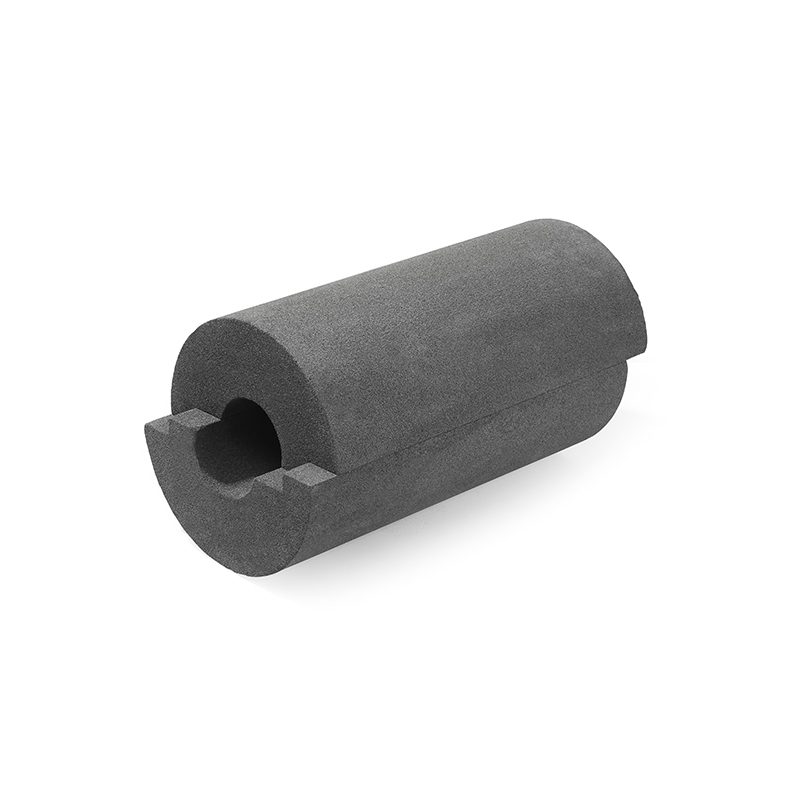
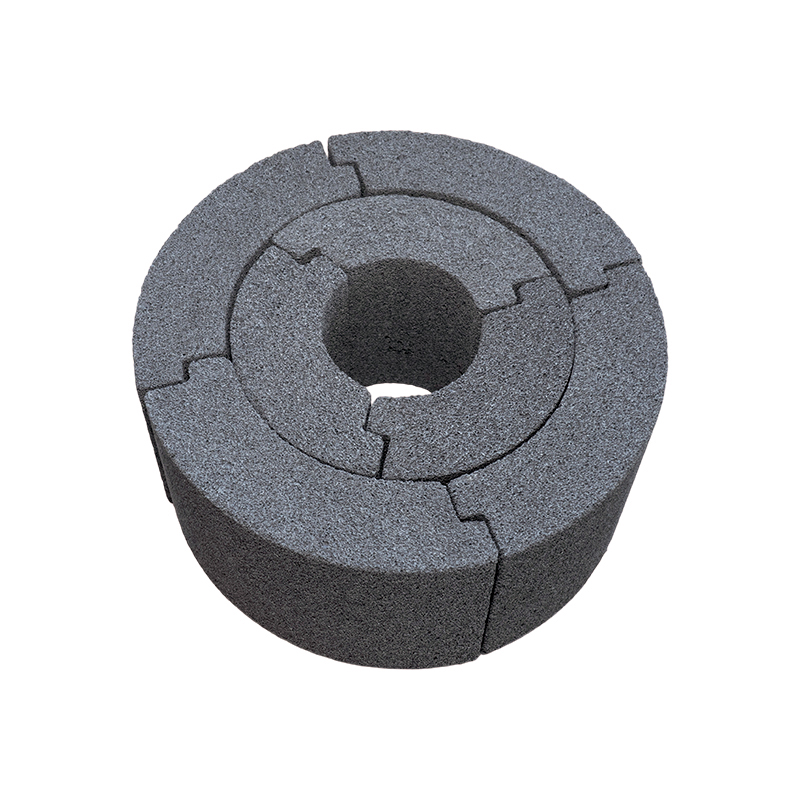
When it comes to insulating complex industrial pipelines and equipment, standard flat boards or straight pipe covers simply cannot deliver adequate thermal protection at joints, elbows, valves, and reducers. Foamed calcium silicate special-shaped insulation material is engineered precisely for these demanding scenarios — offering factory-molded, geometry-matched insulation components that eliminate on-site improvisation, reduce heat loss at vulnerable transition points, and extend system service life in high-temperature industrial environments.
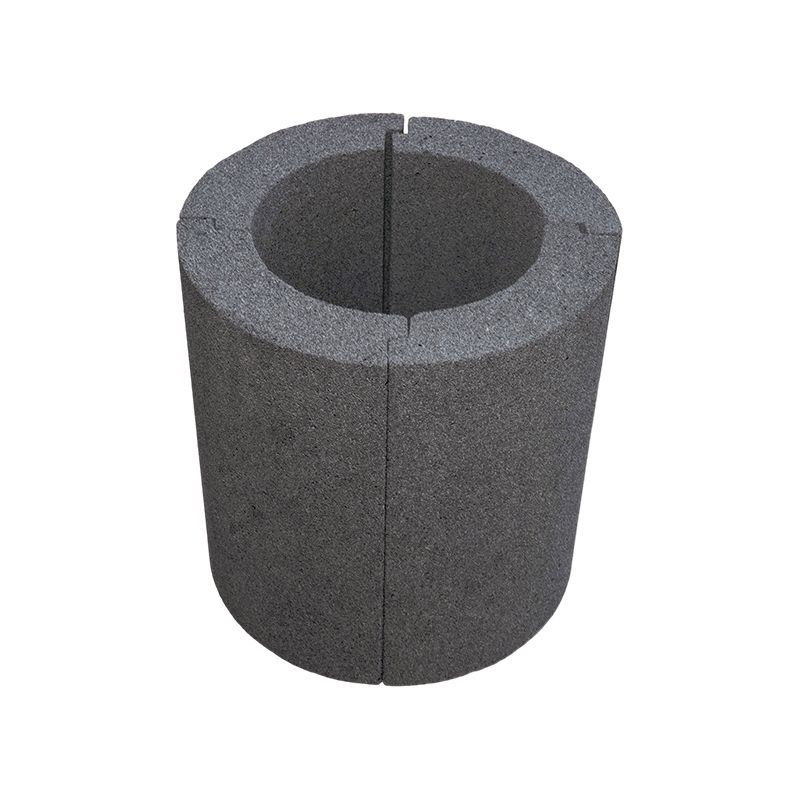
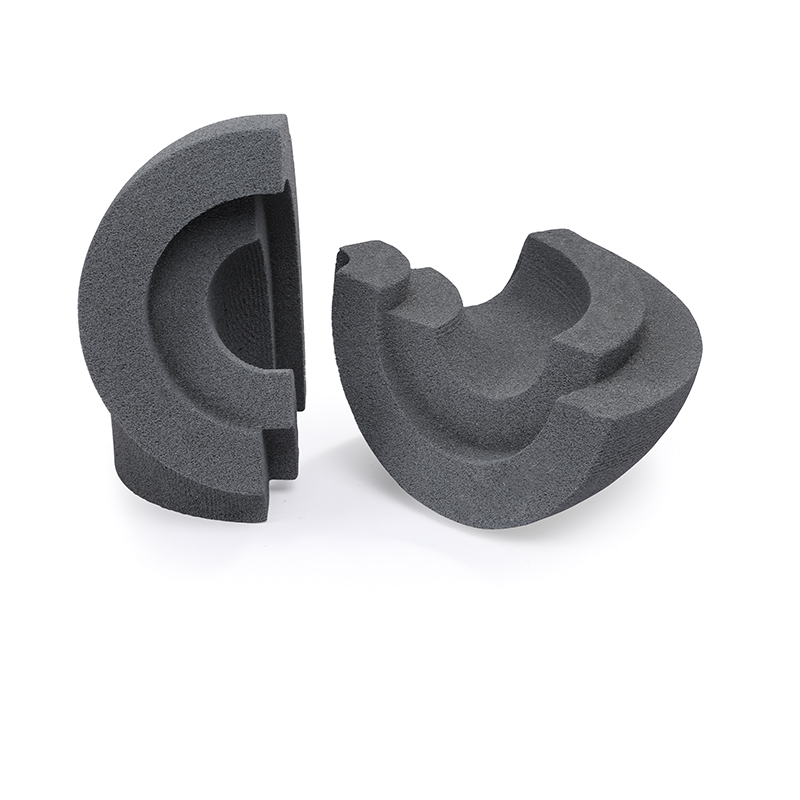
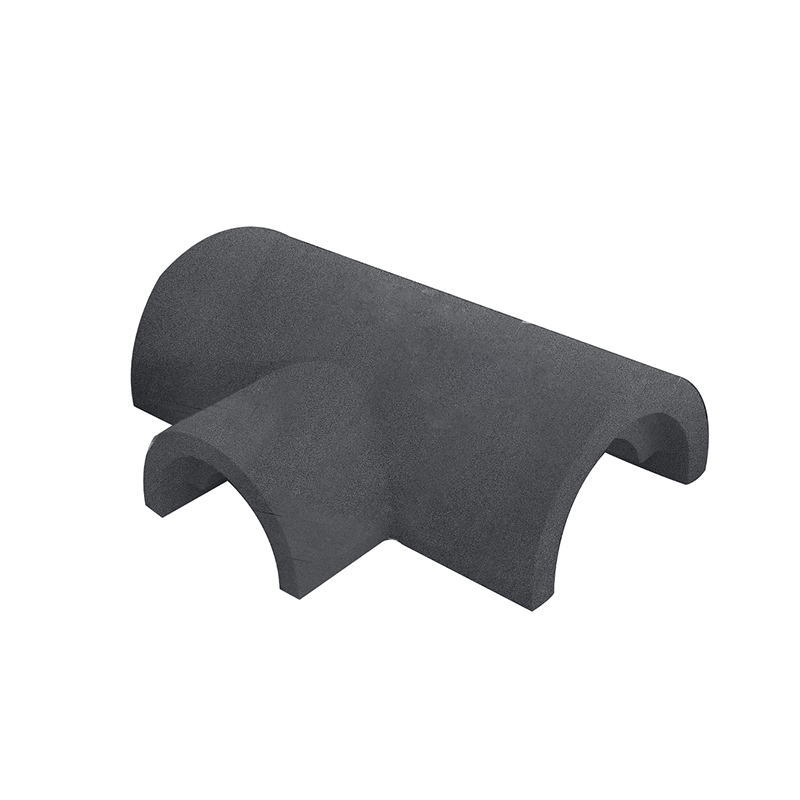
Unlike conventional insulation cut and wrapped on-site, foamed calcium silicate special-shaped pieces are pre-formed to exact geometric specifications — including tee fittings, elbow covers, reducer sections, valve jackets, and tank head caps. This article explores what defines this material, why special-shaped fabrication matters for industrial systems, and how to evaluate foamed calcium silicate products for your specific application.
Calcium silicate insulation is a hydrous inorganic rigid material formed from silica, calcium oxide, and reinforcing fibers through high-temperature autoclaving. The foamed variant introduces a controlled cellular microstructure during the manufacturing process, resulting in a product with significantly lower bulk density compared to traditional dense calcium silicate boards — while preserving or improving its thermal resistance performance.
The foamed structure reduces the material density to as low as 120 kg/m³, making it substantially lighter than conventional calcium silicate products without compromising compressive strength, which can reach up to 1.0 MPa. This combination of light weight and structural integrity is particularly valuable in pipeline systems where load management and ease of installation are priorities alongside thermal performance.
Key material characteristics that set foamed calcium silicate apart include:
In any industrial piping system, a significant portion of heat loss and insulation failure occurs not along straight runs, but at transition components — elbows, tee junctions, reducers, flanges, and valves. When insulation at these points is improvised with cut pieces or wrapped on-site, gaps, mismatches, and inconsistent coverage are common results. Over time, these weak points drive up energy loss and maintenance costs.
Pre-fabricated special-shaped foamed calcium silicate components address this directly. Each piece is molded to match the precise geometry of the fitting it covers — providing seamless, gap-free insulation coverage from the factory. The integrated molding process ensures that the thermal insulation performance at fittings matches the quality of insulation on straight pipe sections, creating a consistent thermal envelope across the entire system.
The practical installation benefits are equally significant. Pre-formed components arrive ready to install, eliminating time-consuming on-site cutting, trimming, and fitting — reducing field labor hours and overall project installation costs. For large-scale petrochemical or power generation projects where hundreds of fittings require insulation, the cumulative time savings are substantial.
Foamed calcium silicate special-shaped insulation material is applied across a broad range of industries where high-temperature pipelines, process equipment, and energy efficiency are operational priorities.
| Industry | Typical Applications | Key Requirement |
|---|---|---|
| Petrochemical & Refining | Process pipe fittings, reactor vessels, distillation column jackets | High-temperature resistance, CUI protection |
| Power Generation | Steam pipeline elbows, boiler connection fittings, turbine surrounds | Dimensional stability under thermal cycling |
| District Heating & Thermal Networks | Hot water distribution tees and reducers, heat exchange stations | Energy conservation, long service life |
| Metallurgy & Steel | Furnace pipeline connections, cooling system insulation | Mechanical strength, fire resistance |
| Shipbuilding & Marine | Engine room pipe insulation, steam fittings aboard vessels | Lightweight, non-combustible, moisture resistance |
In district heating networks and industrial thermal pipelines in particular, foamed calcium silicate thermal insulation material effectively supports energy conservation and emission reduction goals, reducing both operating energy consumption and ongoing maintenance expenditure across the project lifecycle.
Selecting the right foamed calcium silicate product requires matching material specifications to the actual operating conditions of the system. The following parameters should be assessed before procurement:
Confirm the peak continuous operating temperature of the pipeline or equipment surface. Standard foamed calcium silicate grades are rated for service up to 650°C, while high-grade formulations can handle temperatures above 1000°C. Selecting an under-rated material leads to premature degradation; over-specifying adds unnecessary cost.
Special-shaped components should be specified by the exact inner diameter, outer diameter, wall thickness, fitting type (elbow, tee, reducer, valve cover), and bend angle. For non-standard piping layouts, reliable manufacturers can produce custom molds to match specific project dimensions, eliminating field modification entirely.
In applications where the insulation may be subject to physical contact, foot traffic, or vibration, compressive strength becomes a critical selection factor. Products with a compressive strength of 1.0 MPa or above are recommended for high-abuse industrial environments to prevent cracking or compression of the insulation jacket over time.
For project-scale procurement, evaluating a manufacturer's production capacity is essential. Purpose-built production lines for foamed calcium silicate — such as those operating under Industry 5.0 smart manufacturing standards with dedicated annual output capacity measured in tens of thousands of cubic meters — offer greater consistency, shorter lead times, and scalable supply compared to producers for whom this material is a secondary product line.
Understanding how foamed calcium silicate compares to other common industrial insulation materials helps procurement engineers make more informed decisions based on their specific application constraints.
| Property | Foamed Calcium Silicate | Standard Calcium Silicate | Mineral Wool | Ceramic Fiber |
|---|---|---|---|---|
| Typical Density | 120–200 kg/m³ | 200–350 kg/m³ | 80–200 kg/m³ | 96–160 kg/m³ |
| Max Service Temp. | Up to 650°C+ | Up to 1000°C | Up to 750°C | Up to 1260°C |
| Special-Shaped Fabrication | Excellent (integrated mold) | Good (machined/cut) | Limited (flexible) | Moderate (blanket wrap) |
| Structural Rigidity | High | High | Low | Low |
| Asbestos-Free | Yes | Yes | Yes | Yes |
For applications where both high-temperature resistance and geometrically complex fitting coverage are required, foamed calcium silicate special-shaped components offer a combination of performance attributes that neither flexible mineral wool nor field-wrapped ceramic fiber can reliably match at pipeline transition points.
Foamed calcium silicate special-shaped insulation material provides a technically sound and practically efficient solution to one of the most persistent challenges in industrial thermal management — achieving complete, durable insulation coverage at pipe fittings and geometric transitions. With a lightweight cellular structure, strong compressive performance, excellent thermal stability, and the precision of factory-integrated molding, these components are well-suited for procurement teams working on petrochemical, power, district heating, metallurgy, and marine insulation projects.
When evaluating suppliers, prioritize those with dedicated production capacity for foamed calcium silicate, the ability to produce non-standard custom geometries, and verifiable quality management systems. The upfront investment in properly specified, pre-formed insulation components pays consistent dividends in reduced heat loss, lower maintenance frequency, and longer overall system service life.
Copyright © Zhejiang Yichuang New Material Technology Co., Ltd. Calcium Silicate Pipe Insulation Manufacturer Fireproof Material Supplier





 English
 عربى
عربى Español
 русский
 Deutsch
 中文简体
中文简体

 English
 عربى
عربى Español
 русский
 Deutsch

 Quick Link


