Content
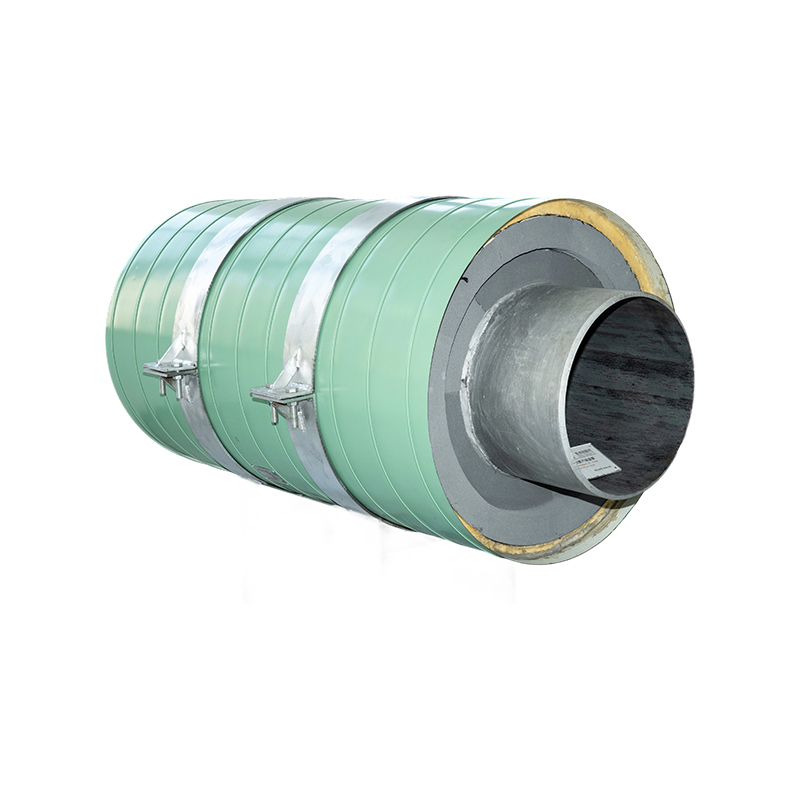
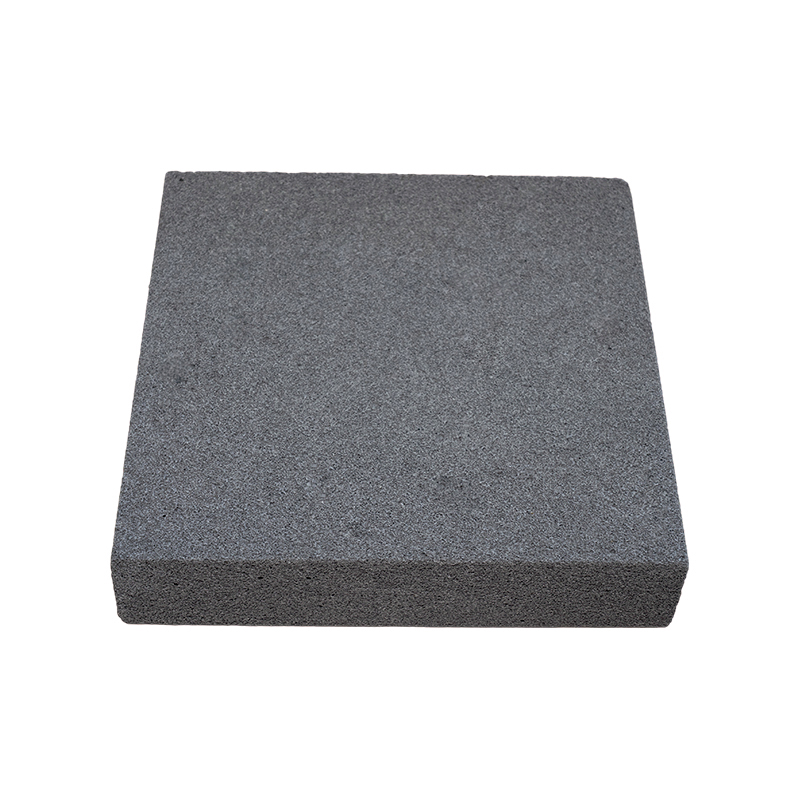
The primary function of rigid calcium silicate pipe insulation is to provide high-temperature thermal insulation with exceptional structural integrity and corrosion-inhibiting properties. Unlike soft or organic insulations, it maintains its shape under mechanical stress, operates continuously at temperatures up to 650°C (1200°F), and actively prevents chloride stress corrosion cracking (CSCC) in austenitic stainless steel pipes—a critical requirement in petrochemical, power generation, and industrial processing facilities.
This combination of thermal efficiency, mechanical durability, and chemical compatibility makes it the preferred material for high-value piping systems where safety, longevity, and operational stability are non-negotiable.
Rigid calcium silicate insulation is engineered for applications that exceed the limits of mineral wool or cellular glass. Its functional advantages derive from a unique microstructure of xonotlite or tobermorite crystals, which deliver three distinct performance pillars:
These properties translate into a service life that often exceeds 25 years in continuous high-temperature environments, reducing life-cycle costs compared to alternative materials that require frequent replacement or maintenance.
The selection of rigid calcium silicate is often driven by quantifiable performance requirements. The following table summarizes typical properties and their direct functional benefits in industrial settings:
| Property | Typical Value / Range | Functional Benefit |
|---|---|---|
| Max Continuous Service Temp | 650°C (1200°F) | Suitable for steam lines, turbine exhaust, and fired heater ducts |
| Density | 190–240 kg/m³ | Balances mechanical strength with manageable weight for hanger systems |
| Chloride Ion Content | < 10 ppm (ASTM C795 compliant) | Eliminates risk of stress corrosion cracking on 300-series stainless steel |
| Water Absorption | < 2% by volume | Maintains thermal performance under humid or intermittent wet conditions |
These data points are critical for engineers performing heat loss calculations, pipe support spacing, and corrosion risk assessments. Many specifications, such as those from ASTM C533 or ISO 8143, directly reference these parameters as mandatory compliance criteria.
Yes, but it requires a weather barrier or jacketing. While the material itself has low water absorption (2% by volume), prolonged exposure to liquid water can reduce thermal efficiency. In outdoor petrochemical or power plants, it is typically installed with aluminum or stainless steel jacketing, ensuring the insulation remains dry and effective for decades.
Rigid calcium silicate offers higher compressive strength and better resistance to physical damage than mineral wool. In applications where piping is subject to maintenance traffic or mechanical abuse—such as refinery platforms—calcium silicate maintains its thermal integrity without compaction. Mineral wool may compress over time, creating gaps that increase heat loss by up to 15–20% if not properly maintained.
It is compatible with carbon steel, stainless steel, and most alloys. For stainless steel, always specify low-chloride (< 10 ppm) calcium silicate that meets ASTM C795 standard. This is essential in industries like LNG processing or pharmaceutical steam systems where even trace chlorides can initiate cracking under thermal stress.
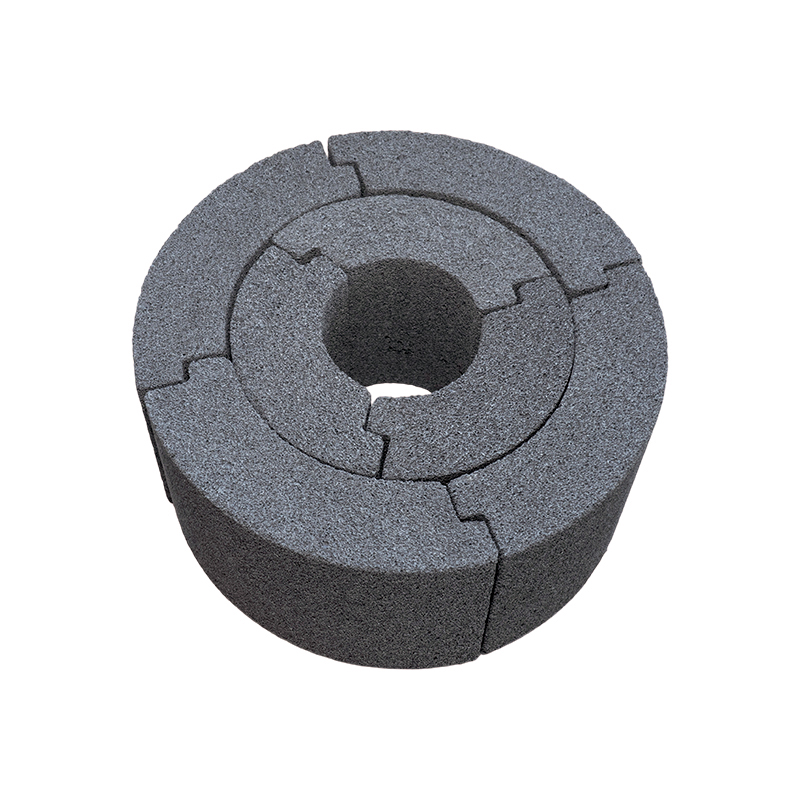
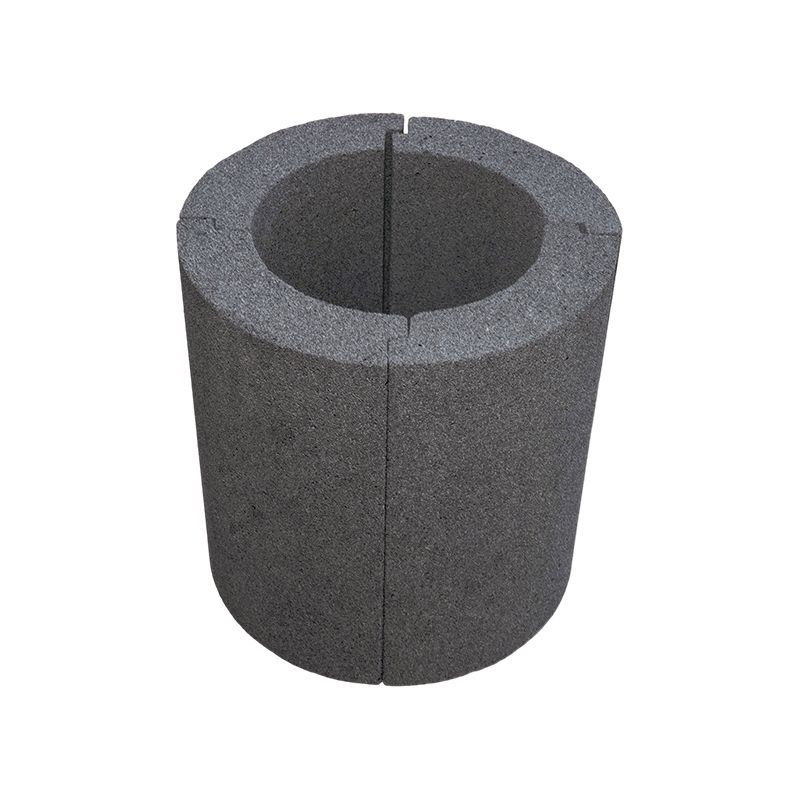
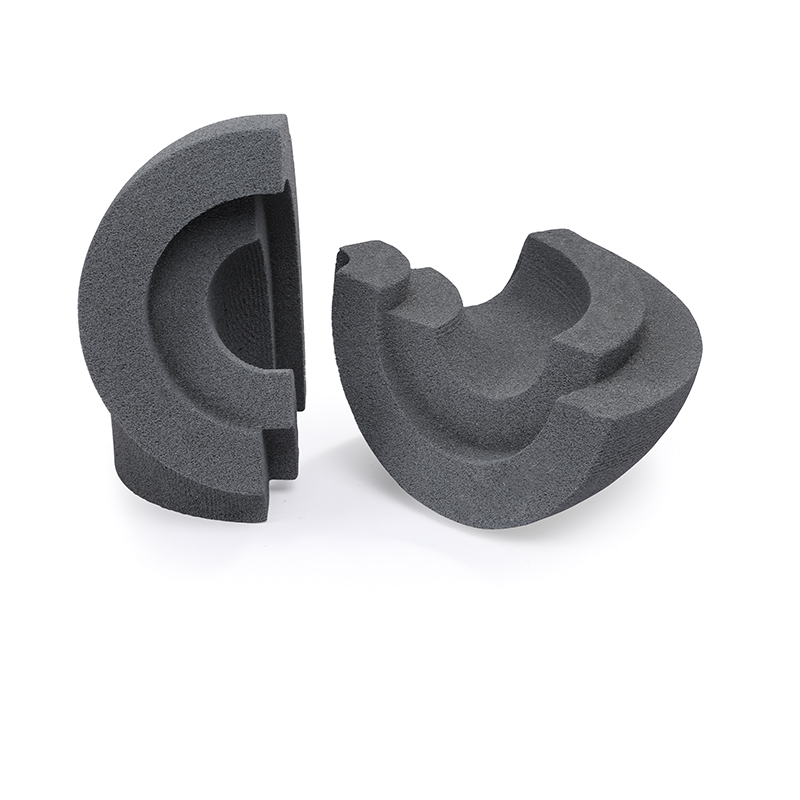
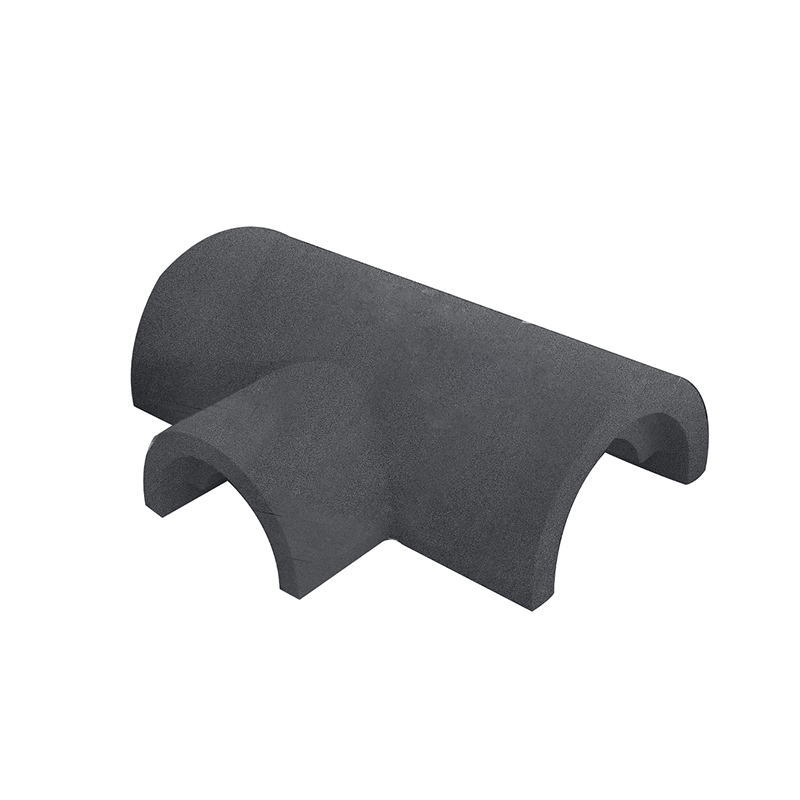
Pre-formed pipe sections are available for nominal pipe sizes from 1/2” to 24”, with wall thicknesses typically from 25 mm to 150 mm. Sections are produced in half-shells or three-piece segments for larger diameters, enabling quick installation without extensive field fabrication.
Even the highest-grade rigid calcium silicate will underperform if installed incorrectly. Field data from industrial audits show that improper joint staggering and lack of proper sealants account for over 30% of thermal efficiency losses in insulation systems. Adhering to the following practices ensures that the material’s functional properties are fully realized:
Following these procedures not only preserves the insulation’s thermal performance but also ensures that warranties from manufacturers—often requiring documented installation compliance—remain valid.
While the upfront cost of rigid calcium silicate is higher than fiberglass or mineral wool (typically 15–25% more per linear foot), its lifecycle economics are superior in demanding environments. A 2021 study of a Gulf Coast petrochemical facility showed that replacing organic insulation with rigid calcium silicate on high-temperature steam lines reduced maintenance downtime by 40% over a 10-year period and eliminated recurring corrosion-related repairs.
Key economic benefits include:
For industrial owners and EPC firms, these factors make rigid calcium silicate a strategically sound investment, particularly when long-term reliability is prioritized over minimal initial capital expenditure.
To guarantee the function of rigid calcium silicate pipe insulation, materials should be procured to internationally recognized standards. The most widely referenced are:
Reputable manufacturers provide certified test reports validating these properties. For mission-critical applications, third-party verification of chloride content and thermal conductivity is recommended to ensure compliance with project specifications.
Copyright © Zhejiang Yichuang New Material Technology Co., Ltd. Calcium Silicate Pipe Insulation Manufacturer Fireproof Material Supplier





 English
 عربى
عربى Español
 русский
 Deutsch
 中文简体
中文简体

 English
 عربى
عربى Español
 русский
 Deutsch

 Quick Link


