
Content
No, calcium silicate is not a plastic. It is an inorganic, non-metallic mineral compound formed from lime (calcium oxide) and silica reacting under heat and pressure, typically inside an autoclave. Plastics, by contrast, are organic polymers built from long carbon-based molecular chains derived from petrochemicals. Calcium silicate contains no polymer chains at all, which is exactly why it behaves so differently from plastic foam insulation when exposed to fire, moisture, or extreme heat.
This distinction is not just academic. It determines where each material can legally and safely be used — particularly in high-temperature industrial insulation, where plastic-based foams simply cannot survive the operating conditions that foamed calcium silicate insulation material is specifically engineered for.
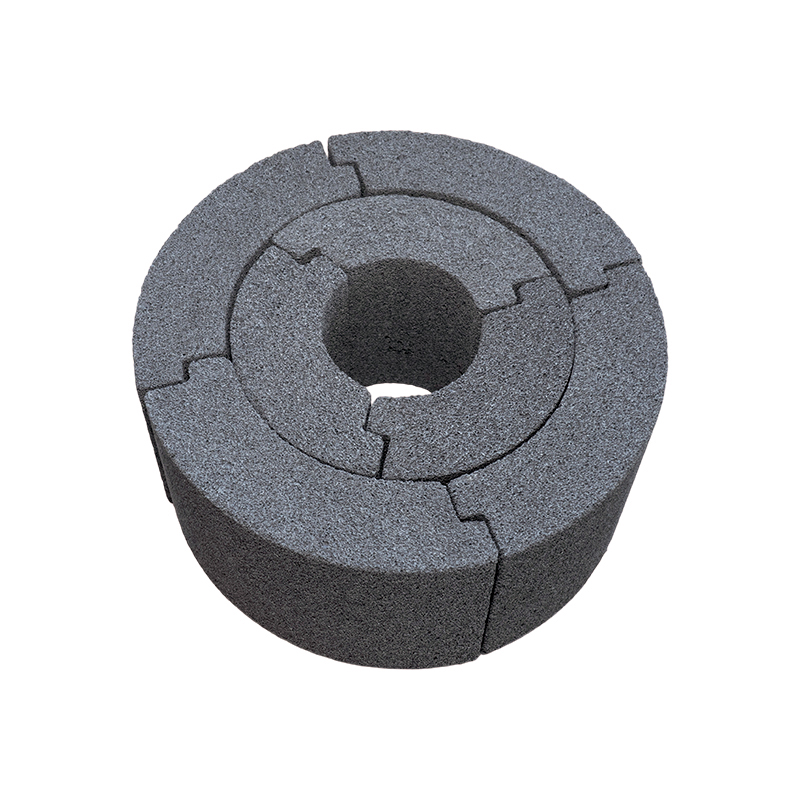
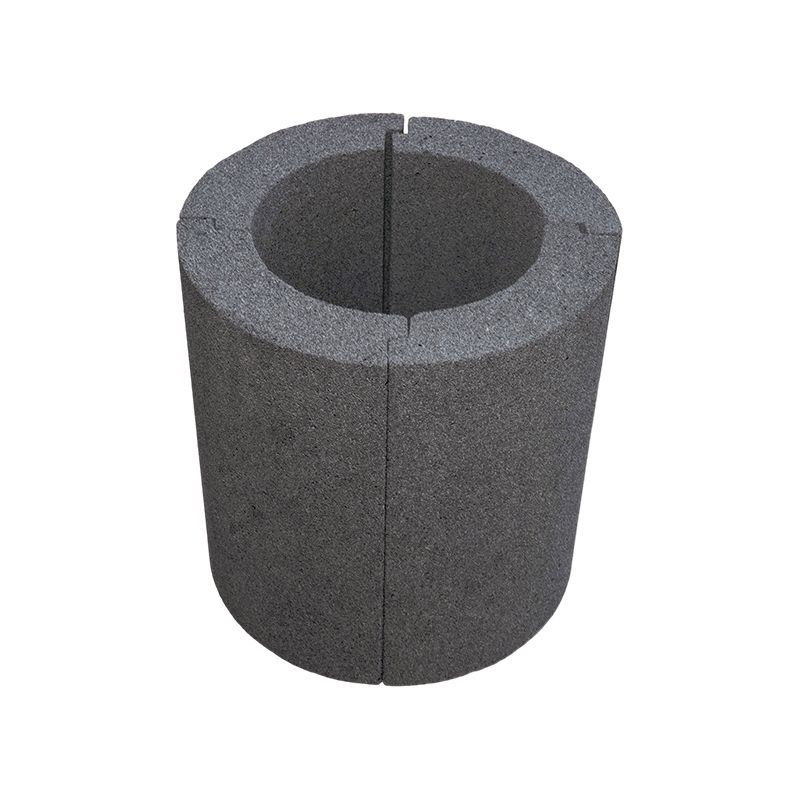
Calcium silicate refers to a family of compounds formed when calcium oxide (lime) reacts with silica (SiO2). In insulation manufacturing, this reaction produces calcium silicate hydrate, a crystalline mineral structure rather than a plastic resin. To make a rigid insulation board or pipe section, manufacturers combine silicate gelling materials, mineral reinforcing fibers, and foaming agents, then cure the mixture through a chemical foaming and autoclave process. The result is a lightweight, multi-layer porous structure — the countless microscopic air pockets are what give the material its low thermal conductivity, not any plastic cell structure.
Comparing calcium silicate directly against common plastic-based insulation materials (such as polyurethane, polystyrene, or phenolic foam) makes the distinction concrete rather than abstract.
| Property | Calcium Silicate | Plastic-Based Foam |
|---|---|---|
| Base material | Inorganic mineral (lime + silica) | Organic polymer resin |
| Combustibility | Non-combustible | Combustible unless treated |
| Maximum service temperature | Up to roughly 1000°C | Typically below 150°C |
| Moisture behavior | Rigid, dimensionally stable | Can soften or degrade with heat and moisture |
| Compressive strength | High, load-bearing capable | Generally lower |
Because calcium silicate is inorganic, it does not burn, melt, or release the toxic smoke that many plastic foams produce under fire conditions. This is why it is specified as a non-combustible insulation option for high-temperature piping, boilers, furnaces, and industrial equipment where plastic-based foams would either fail structurally or become a fire hazard well before reaching the target operating temperature.
In practical terms, a steam pipeline running at several hundred degrees Celsius simply has no plastic-insulation option available — foamed calcium silicate insulation material is one of the few rigid options that remains dimensionally stable and structurally sound at those temperatures over the long service life expected of industrial piping systems.
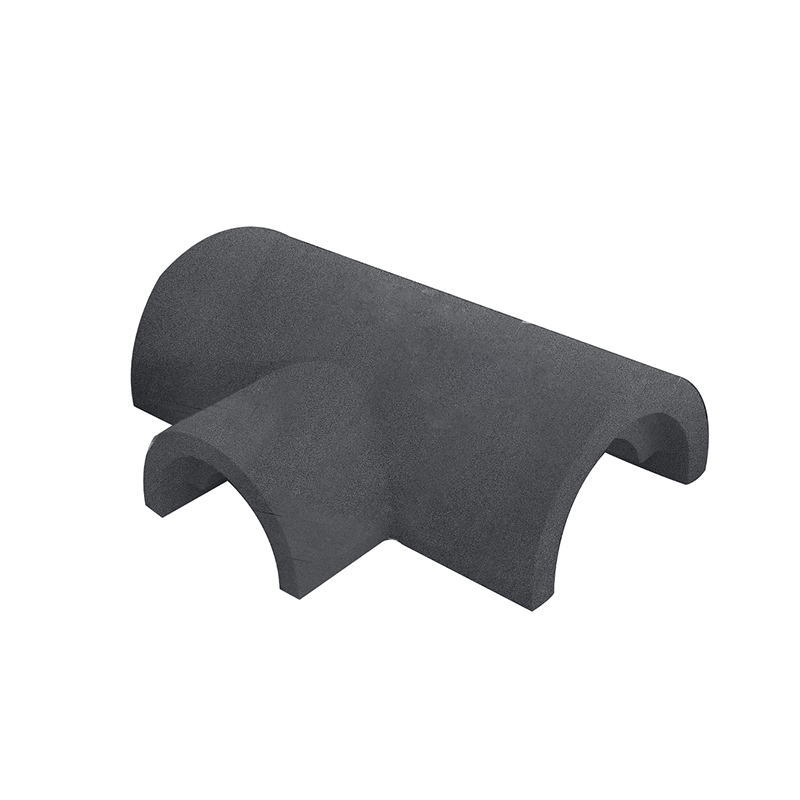
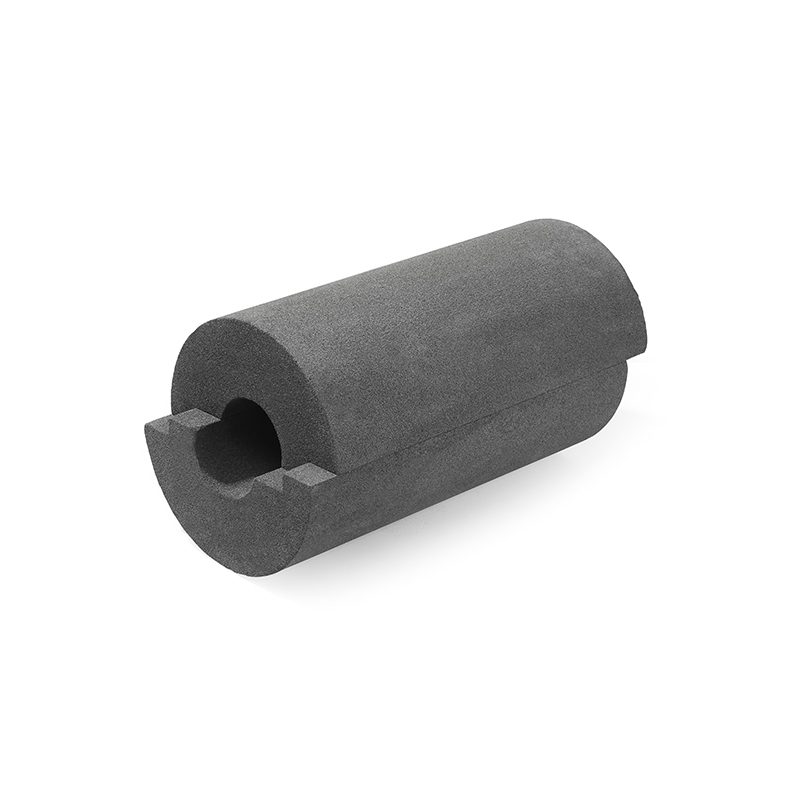
Calcium silicate insulation shows up wherever high temperature, fire resistance, or mechanical load-bearing capacity rules out standard plastic foam:
Silicate gelling materials, mineral admixtures, and water are blended into a uniform slurry, which begins forming the calcium silicate hydrate structure that gives the finished product its strength.
Foaming agents introduce a fine, evenly distributed network of pores throughout the slurry before it sets, which is what ultimately lowers the material's thermal conductivity without sacrificing structural integrity.
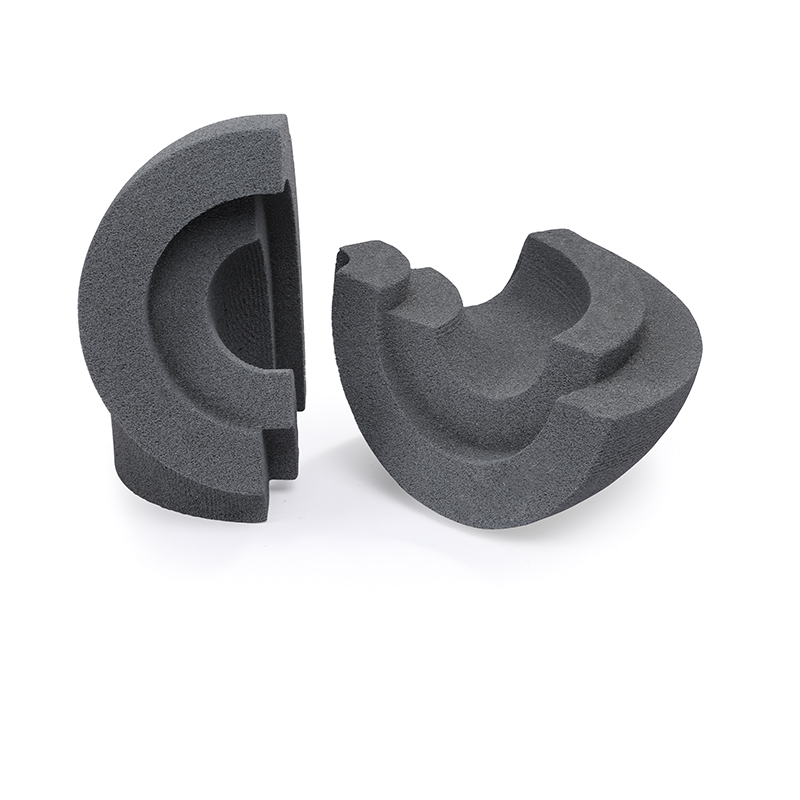
The foamed material is cured under heat and pressure in an autoclave, locking the mineral crystal structure in place, then dried to remove residual moisture before being cut into boards, pipe sections, or special-shaped components.
Since calcium silicate and plastic foam are fundamentally different materials, the choice usually comes down to matching the application's real operating conditions:
In summary, calcium silicate is a mineral-based, non-combustible insulation material rather than a plastic, and that single fact explains almost every practical difference between the two when selecting insulation for high-temperature or fire-sensitive applications.
Copyright © Zhejiang Yichuang New Material Technology Co., Ltd. Calcium Silicate Pipe Insulation Manufacturer Fireproof Material Supplier





 English
 عربى
عربى Español
 русский
 Deutsch
 中文简体
中文简体

 English
 عربى
عربى Español
 русский
 Deutsch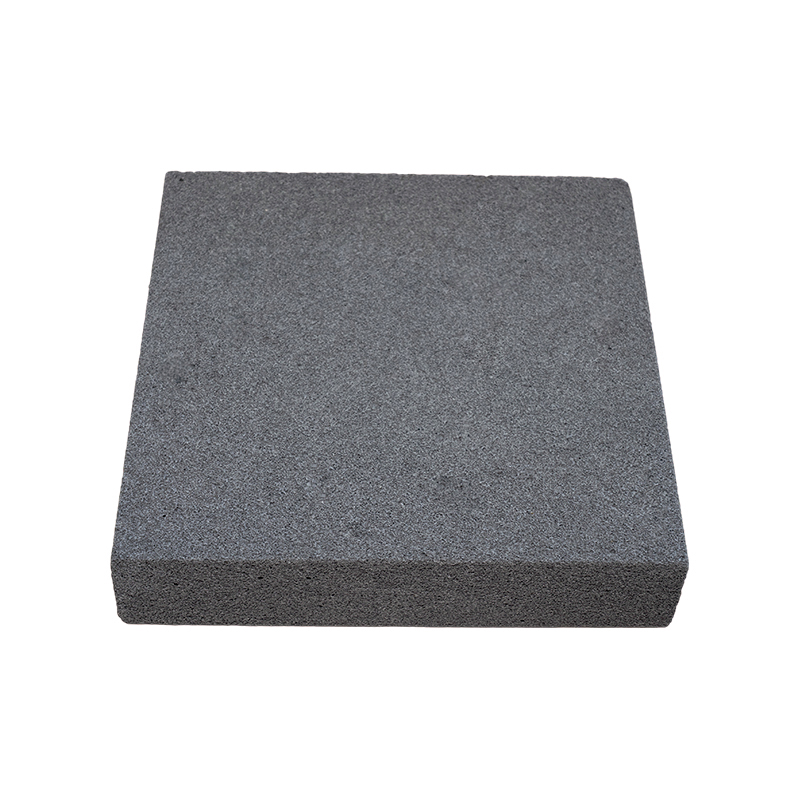

 Quick Link


