
Content
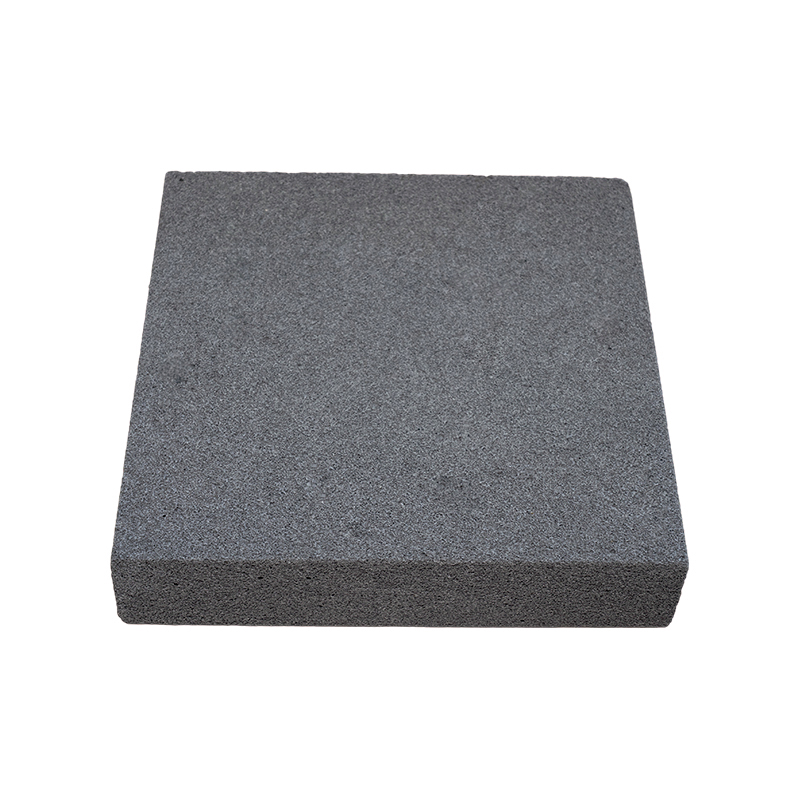
For flat-walled storage tanks handling high or low process temperatures, a rigid Lightweight Foamed Calcium Silicate Flat Panel is one of the most effective materials for tank insulation, since it combines low thermal conductivity with genuine structural rigidity, something few other insulation materials achieve at once. A typical panel of this type carries a density as low as 120 kg/m³, a compressive strength around 1.0 MPa, and a stable service temperature above 600°C, which means it holds its shape and insulating value on large vertical tank walls without sagging, compacting, or losing performance over years of continuous service. The sections below cover why tank walls specifically need this combination of properties, how the panel compares to other common tank insulation materials, and what to check before specifying it for a project.
Pipe insulation only needs to wrap around a relatively small, curved surface, while tank insulation covers a much larger, flat or gently curved vertical surface that carries its own weight over the full height of the tank. This changes what actually matters in the insulation material.
This is precisely where a rigid, self-supporting board like a Lightweight Foamed Calcium Silicate Flat Panel has an advantage over flexible blanket-type insulation, which tends to compress and lose thickness on large vertical surfaces over time.
Not every calcium silicate product performs the same way, so it helps to know which specifications actually determine how well a panel will hold up on a tank wall.
| Property | Typical Value |
|---|---|
| Density | As low as 120 kg/m³ |
| Compressive strength | Up to 1.0 MPa |
| Endurable temperature | Above 600°C |
| Combustion rating | Class A1, non-combustible |
| Service life under stable conditions | Over 30 years, without sagging or powdering |
| Material | Structural Rigidity | Max Service Temperature |
|---|---|---|
| Foamed calcium silicate flat panel | Rigid, self-supporting | Above 600°C |
| Mineral wool board | Semi-rigid, can compact over time | Around 650°C |
| Polyurethane foam board | Rigid but lower heat tolerance | Around 120°C |
| Expanded perlite board | Rigid but more brittle under impact | Around 650°C |
The advantage a Lightweight Foamed Calcium Silicate Flat Panel holds over polyurethane and perlite boards is its combination of high heat tolerance with non-combustibility, which matters on tanks storing flammable or high-temperature process materials where fire safety codes restrict which insulation types can be used.
Flat calcium silicate panels are specified across a range of tank types where flat or large-radius surfaces make board-form insulation more practical than wrap-style products.
Getting the thickness and layout right matters as much as choosing the correct material, since undersized panels leave thermal gaps at the seams and oversized panels waste material and installation labor.
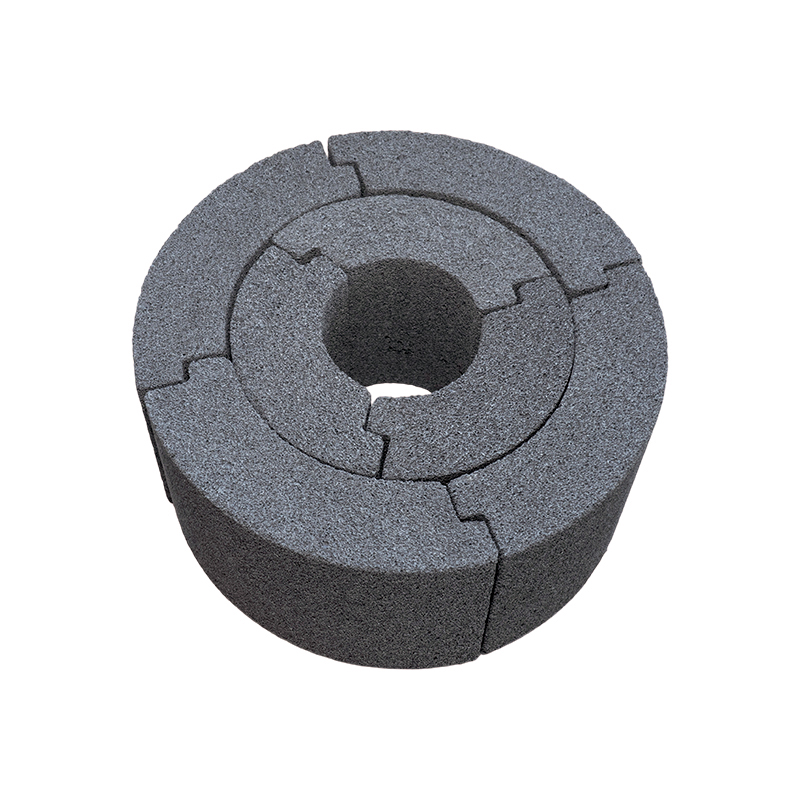
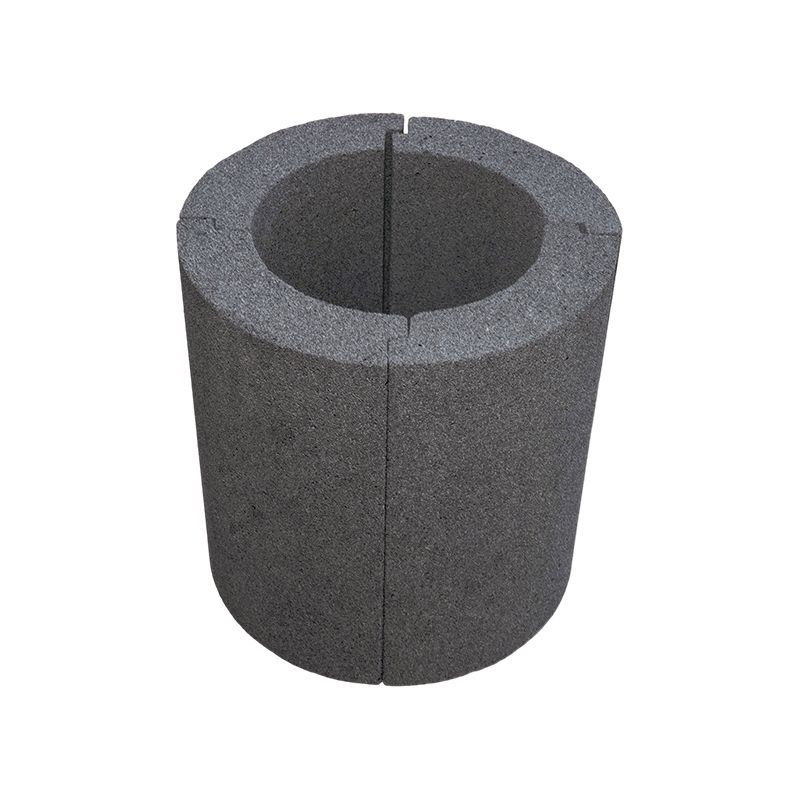
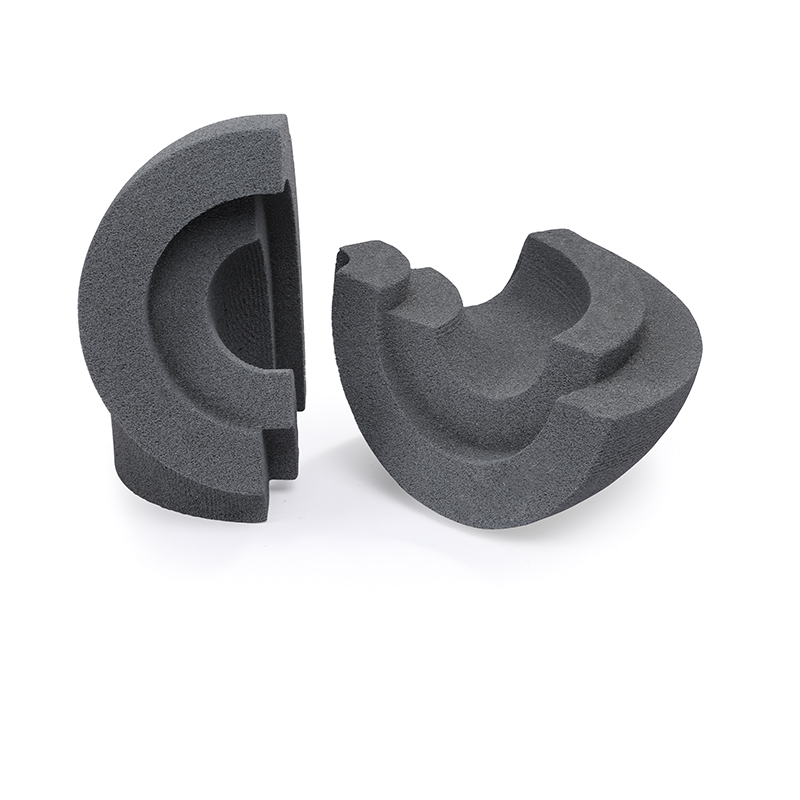
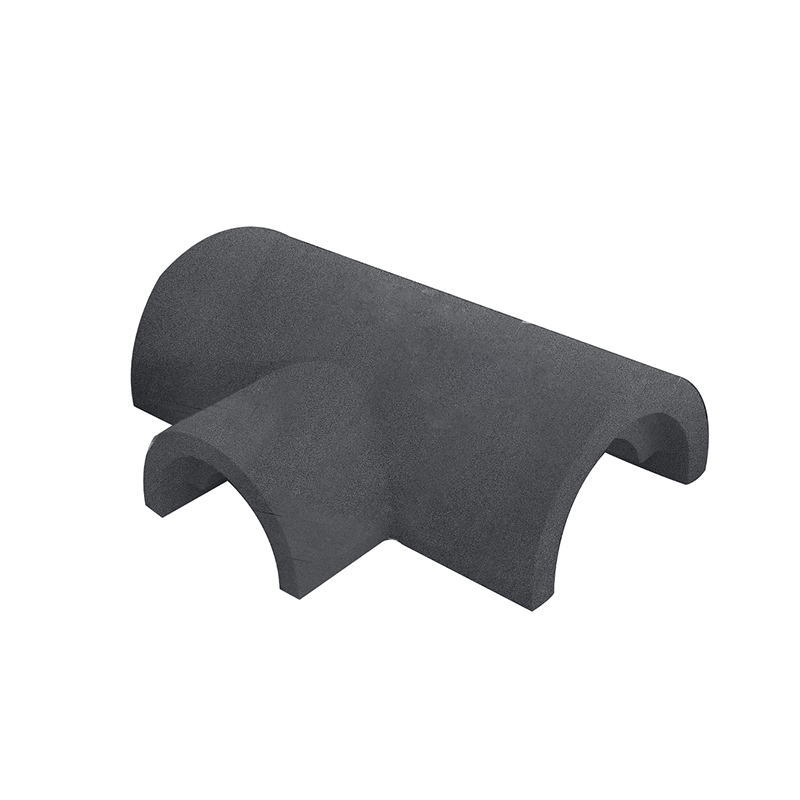
Zhejiang Yichuang New Materials Technology Co., Ltd. operates a modern production facility in Cixi City, Zhejiang Province, with a dedicated foamed calcium silicate production line and an annual capacity of 100,000 cubic meters. The company's product range includes flat panels alongside pipe sections, elbows, and custom-shaped insulation parts, giving project teams a single source for both the flat tank wall panels and the fittings needed at nozzles, flanges, and pipe penetrations on the same vessel.
When comparing suppliers for a tank insulation project, requesting documented compressive strength, density, and temperature ratings for the specific Lightweight Foamed Calcium Silicate Flat Panel batch — rather than relying on general product literature — is the most reliable way to confirm the material will perform as expected once installed.
Copyright © Zhejiang Yichuang New Material Technology Co., Ltd. Calcium Silicate Pipe Insulation Manufacturer Fireproof Material Supplier





 English
 عربى
عربى Español
 русский
 Deutsch
 中文简体
中文简体

 English
 عربى
عربى Español
 русский
 Deutsch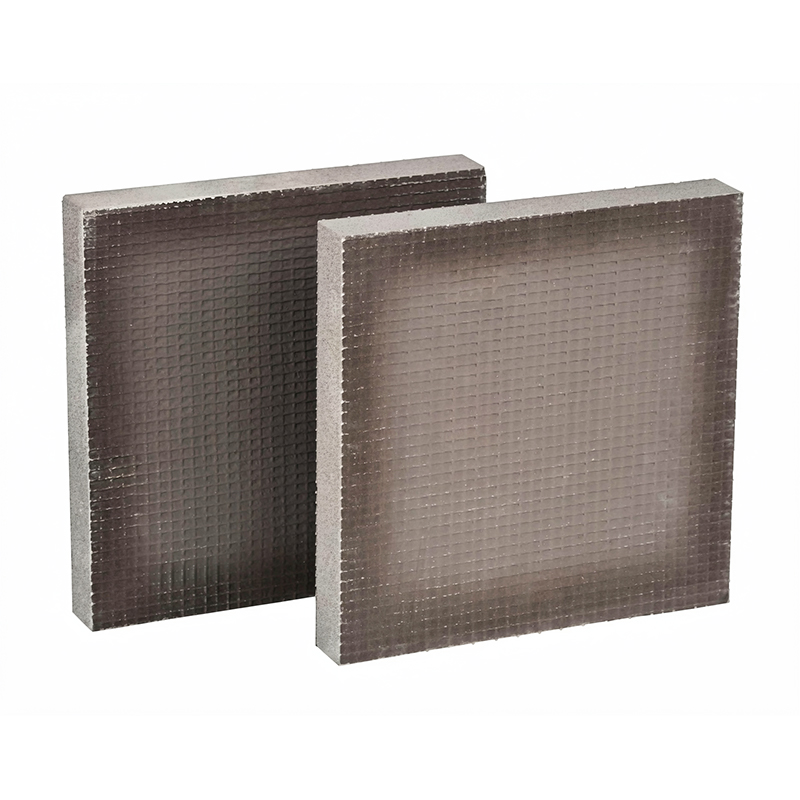

 Quick Link


