
Content
Corrosion under insulation (CUI) is the localized external corrosion that develops on piping and equipment when moisture becomes trapped between the metal surface and its thermal insulation jacket. Because the insulation hides the metal from view, CUI often progresses undetected for years, silently thinning pipe walls until a leak, rupture, or unplanned shutdown occurs. Industry guidance such as API 583 identifies operating temperatures roughly between -12°C and 175°C (10°F–350°F) as the highest-risk zone, since this range keeps moisture in the insulation warm enough to accelerate corrosion but not hot enough to fully evaporate it.
The sections below explain exactly how CUI forms, where to look for it, and how the right insulation material — including foamed calcium silicate insulation material — can meaningfully reduce the risk from the start.
CUI rarely results from a single event. It builds up through a repeating cycle that most insulation systems experience over their service life.
Rain, wash-down water, or condensation enters through damaged cladding, failed sealant joints, or poorly terminated insulation at fittings, supports, and nozzles.
Once inside, water can be absorbed or wicked through the insulation and held directly against the pipe or vessel wall, especially in materials with high water absorption or capillary action.
Repeated heating and cooling cycles concentrate dissolved salts and oxygen at the metal surface. On carbon steel this produces general and pitting corrosion; on austenitic stainless steel, concentrated chlorides can trigger chloride stress corrosion cracking (Cl-SCC), which is often more dangerous because it can cause sudden failure with little visible warning.
Because CUI hides beneath cladding, inspection needs to target the locations most likely to trap water rather than checking every meter of insulated pipe equally.
Inspection and jacketing quality matter, but the insulation material itself is the first line of defense. Three material properties determine how much a given insulation contributes to — or protects against — CUI:
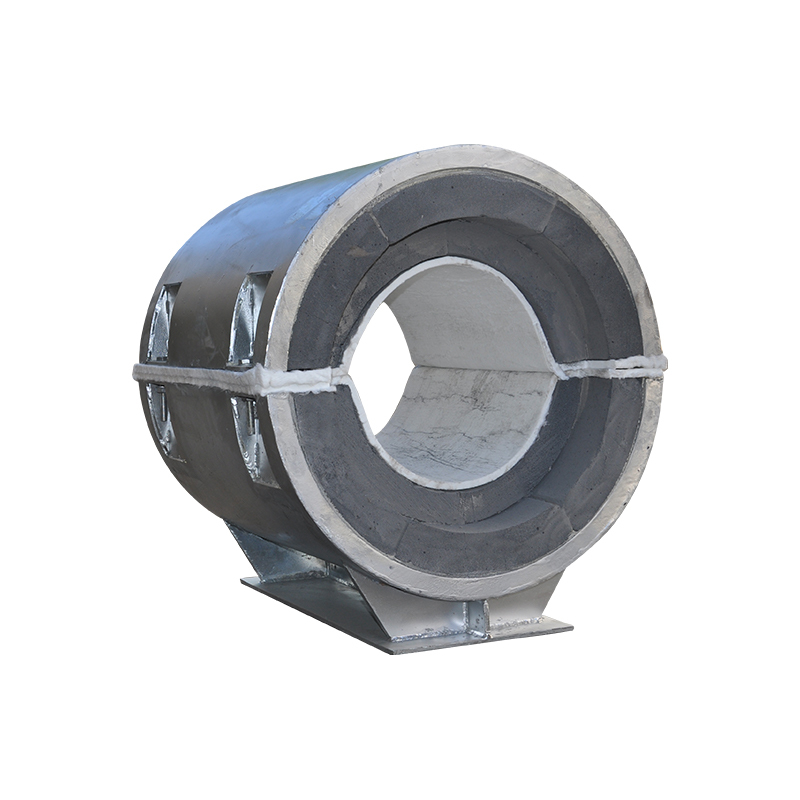
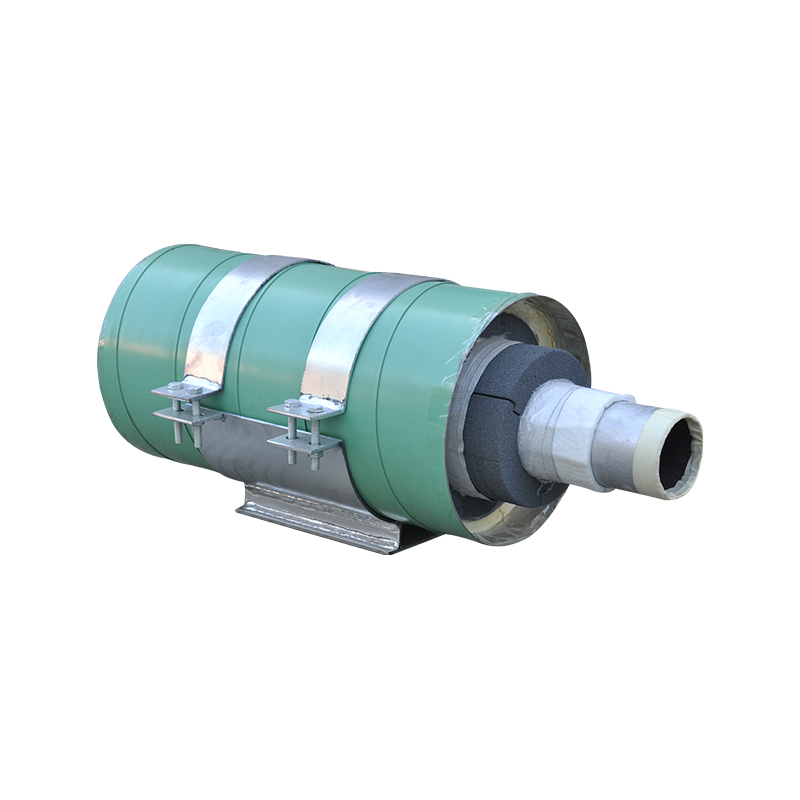
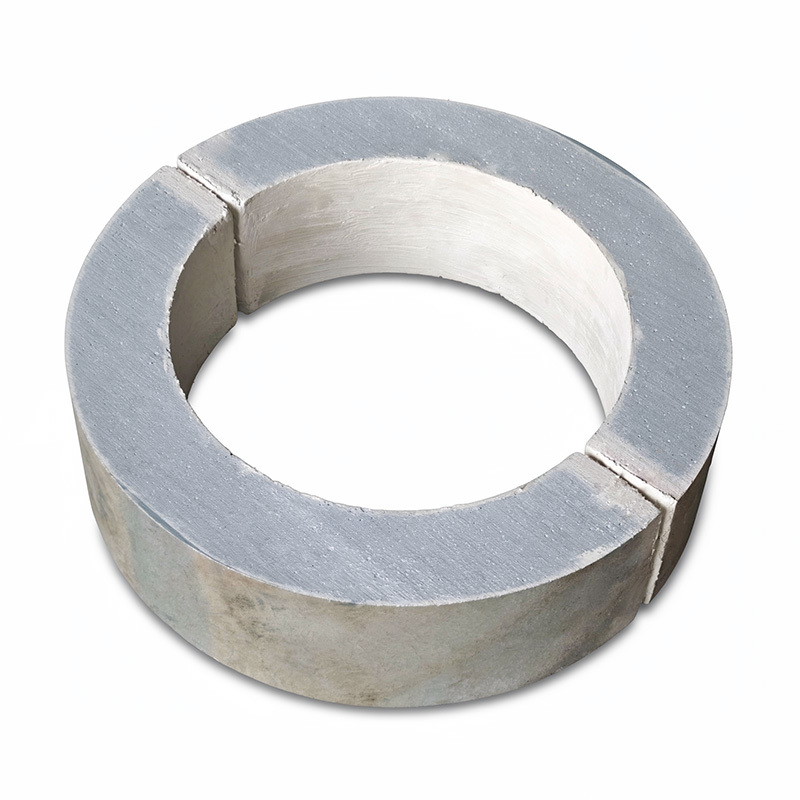
Foamed calcium silicate insulation material is engineered specifically around these three factors. Its closed, foamed cell structure gives it markedly lower water absorption and capillary wicking than traditional fibrous calcium silicate, while retaining calcium silicate's naturally alkaline chemistry (commonly in the pH 9–11 range) and low leachable chloride content. It also keeps the wide service range that makes calcium silicate popular in the first place, typically covering roughly -18°C up to 650°C or higher depending on the density and grade, while remaining non-combustible — a combination that suits piping and vessels across the full range of CUI-critical operating temperatures.
No insulation material is completely immune to CUI once its jacketing has failed, but relative resistance varies significantly by material type.
Cellular glass offers the lowest water absorption of the group, but its lower maximum temperature and rigidity can limit its use on hot, complex piping. Foamed calcium silicate provides a practical middle ground: low water uptake with a much wider high-temperature range, which is why it is frequently specified for hot process piping in refineries, chemical plants, and power stations where CUI risk and high operating temperatures overlap.
Effective CUI management combines material selection, installation quality, and a structured inspection routine rather than relying on any single measure.
The commonly cited danger zone is roughly -12°C to 175°C (10°F–350°F), per API 583 guidance, because this range keeps trapped moisture liquid and warm enough to sustain an active corrosion reaction rather than evaporating quickly.
Yes. Even after jacketing is compromised, a low-absorption, low-chloride, alkaline material like foamed calcium silicate slows how much moisture reaches the metal and reduces the corrosive potential of that moisture, buying time before serious wall loss occurs.
Inspection intervals should follow a risk-based approach rather than a fixed calendar date, with higher-risk piping (operating in the critical temperature band, located outdoors, or near steam leaks and spray) inspected more frequently than lower-risk, dry-service lines.
Copyright © Zhejiang Yichuang New Material Technology Co., Ltd. Calcium Silicate Pipe Insulation Manufacturer Fireproof Material Supplier





 English
 عربى
عربى Español
 русский
 Deutsch
 中文简体
中文简体

 English
 عربى
عربى Español
 русский
 Deutsch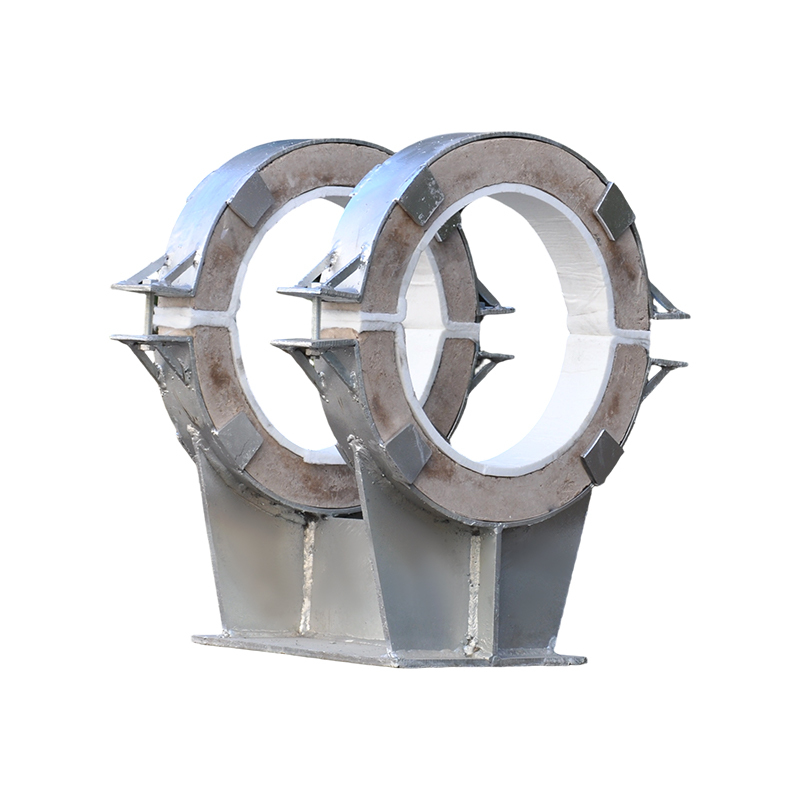

 Quick Link


