
Content
Foamed calcium silicate insulation material is used to insulate high-temperature pipelines, storage tanks, industrial equipment, and building envelopes where both thermal performance and fire safety are required. It is a rigid, inorganic insulation board or pipe-fitting material made by foaming hydrated calcium silicate into a lightweight, closed-cell structure. Unlike organic foam insulation such as polyiso insulation, foamed calcium silicate is non-combustible and does not soften or degrade at high service temperatures, which is why it is specified in petrochemical plants, power stations, metallurgical facilities, and other settings where flame resistance is as important as thermal efficiency.
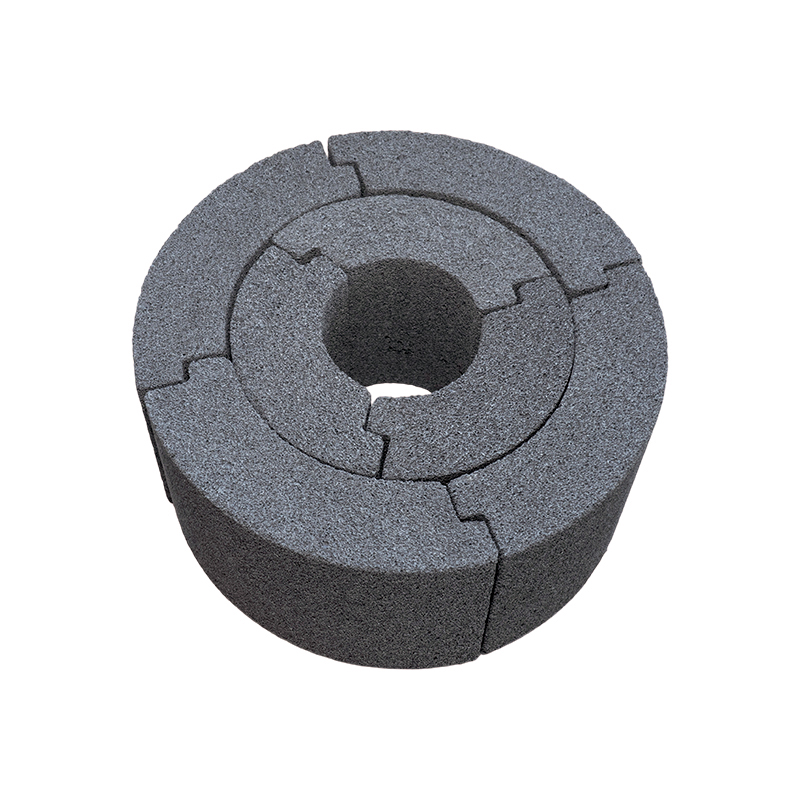
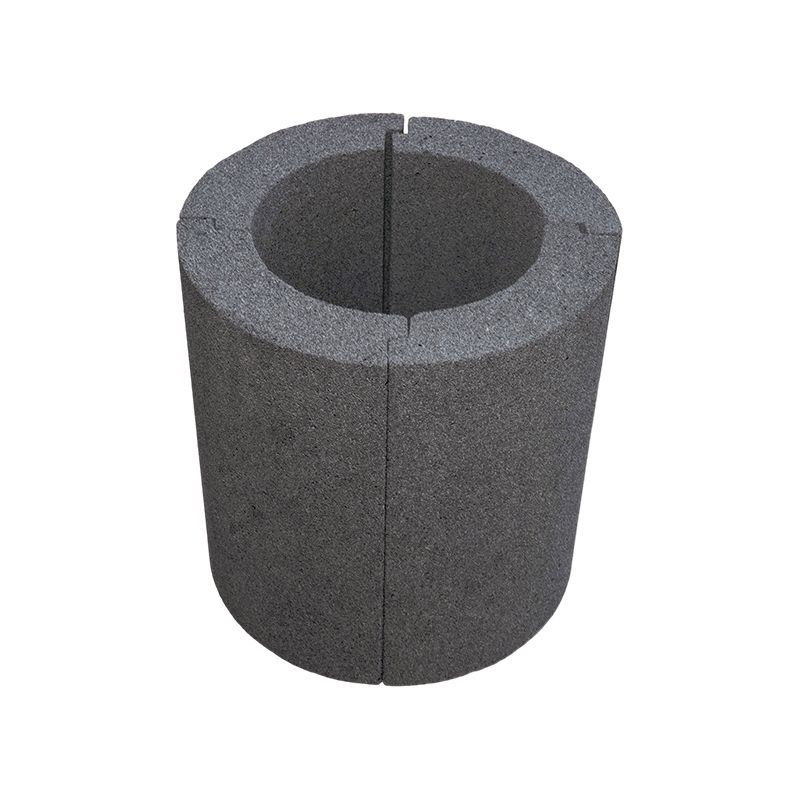
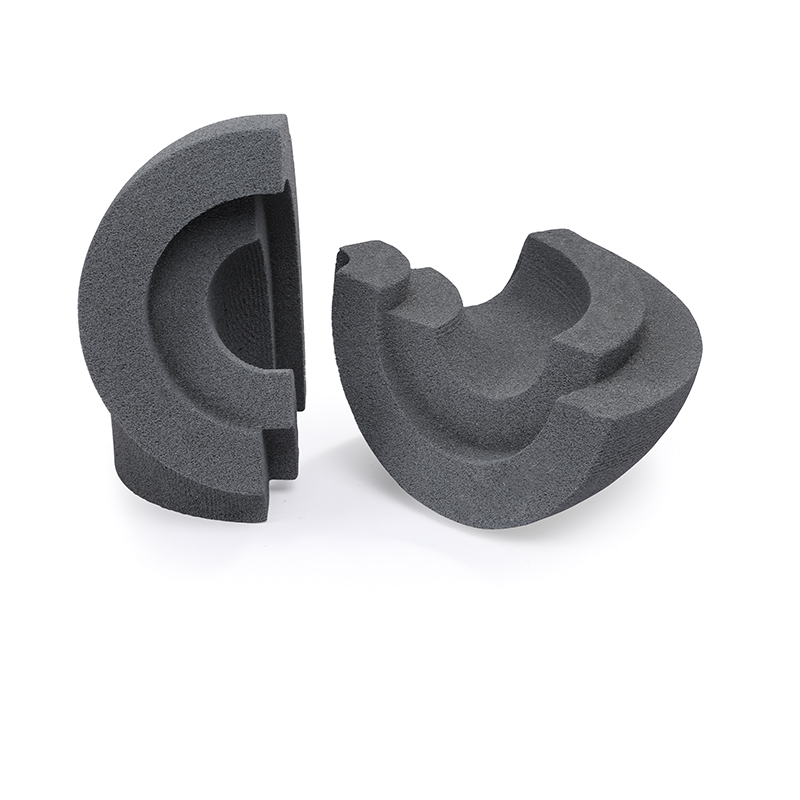
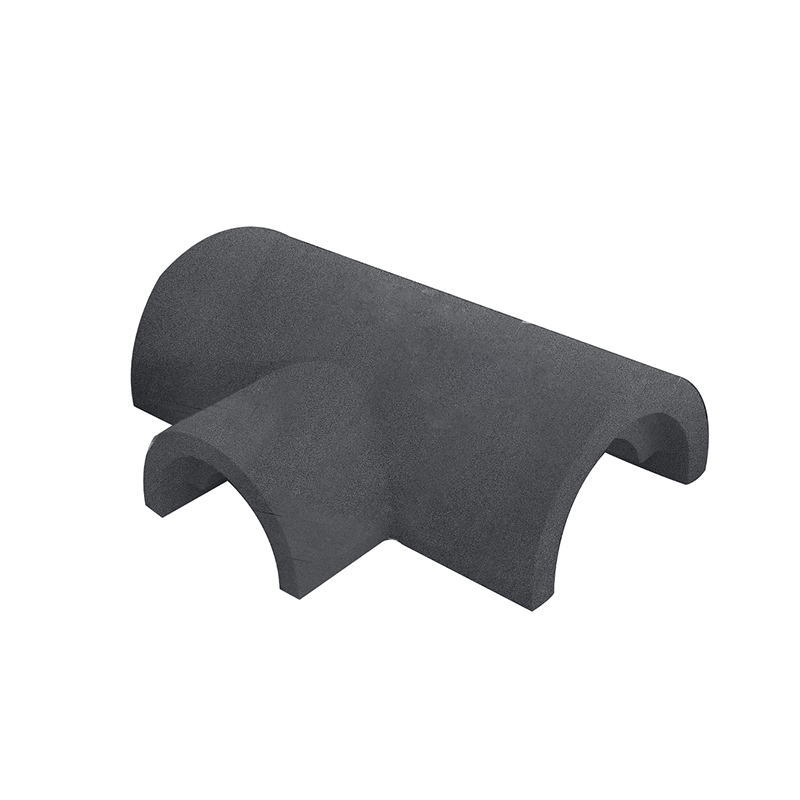
In practical terms, foamed calcium silicate functions as a direct-contact or backing insulation layer on pipes, elbows, tees, vessels, and tanks. Its rigid, self-supporting structure allows it to be cut, machined, or prefabricated into pipe fittings, so it insulates complex shapes without the seams and gaps that reduce performance in traditional tile-and-mortar systems.
The performance of foamed calcium silicate insulation material comes from its low density combined with a closed, foamed pore structure. Typical production-grade properties include:
These figures are drawn from manufacturer product data for foamed calcium silicate pipe and board products currently in commercial production.
Foamed calcium silicate insulation material is applied wherever high temperature, fire risk, or moisture exposure make conventional foam insulation unsuitable. Typical uses include:
Polyiso insulation (polyisocyanurate foam) is a common organic rigid foam known for its high thermal efficiency per inch of thickness. However, it is combustible and its performance degrades at temperatures organic foams cannot tolerate. Foamed calcium silicate is the inorganic alternative in applications where fire rating, high-temperature service, or long-term dimensional stability outweigh the need for the thinnest possible insulation layer.
| Property | Foamed Calcium Silicate | Polyiso Insulation |
|---|---|---|
| Material Type | Inorganic, rigid foamed board | Organic, closed-cell rigid foam |
| Fire Behavior | Non-combustible, Class A1 | Combustible, requires facing or coating |
| Maximum Service Temperature | Above 600°C | Typically below 150°C |
| Moisture Resistance | Water-repellent, low water absorption | Sensitive to prolonged moisture exposure |
| Typical Application Range | Industrial pipes, tanks, high-temp equipment | Roofing, wall panels, low-temp building envelopes |
In short, polyiso insulation suits moderate-temperature building envelope applications where thin profiles and high R-value matter most, while foamed calcium silicate is the more suitable choice whenever high heat, open flame risk, or long-term structural loading are part of the operating environment.
Foamed calcium silicate elbows and tees are produced as one-piece prefabricated fittings rather than assembled from tile segments. This integrated molding process avoids the seams that traditionally cause heat loss at joints and simplifies field installation.
Because the foaming process creates a finer, more uniform pore structure, foamed calcium silicate achieves thermal conductivity comparable to microporous calcium silicate products while reaching a significantly lower bulk density, which reduces the load placed on supporting structures and pipe hangers.
The material's weakly alkaline leachate does not accelerate corrosion on carbon or stainless steel surfaces, an important consideration for insulation placed in direct contact with piping over long service periods.
Getting the expected service life out of foamed calcium silicate insulation depends on correct installation and periodic inspection:
Because the material is rigid and inorganic, it does not require the periodic recoating or UV protection that some organic foam insulations need when exposed outdoors.
Product consistency matters as much as the raw material chemistry when specifying foamed calcium silicate for a project. Zhejiang Yichuang New Material Technology Co., Ltd. operates a modern production facility in the Binhai Economic Development Zone of Cixi City, Zhejiang Province, covering 60 acres with a 42,000-square-meter factory, and has launched a dedicated foamed calcium silicate production line with an annual capacity of 100,000 cubic meters. The facility operates under ISO9001, ISO45001, and ISO14001 quality and management system certifications, with 100 percent finished product inspection and design-based customization for pipe fittings and board products.
When evaluating a supplier, look for documented compressive strength and density figures, evidence of Class A1 non-combustibility testing, and the ability to prefabricate elbows, tees, and other special-shaped fittings to match project drawings rather than relying on field-assembled segments.
Copyright © Zhejiang Yichuang New Material Technology Co., Ltd. Calcium Silicate Pipe Insulation Manufacturer Fireproof Material Supplier





 English
 عربى
عربى Español
 русский
 Deutsch
 中文简体
中文简体

 English
 عربى
عربى Español
 русский
 Deutsch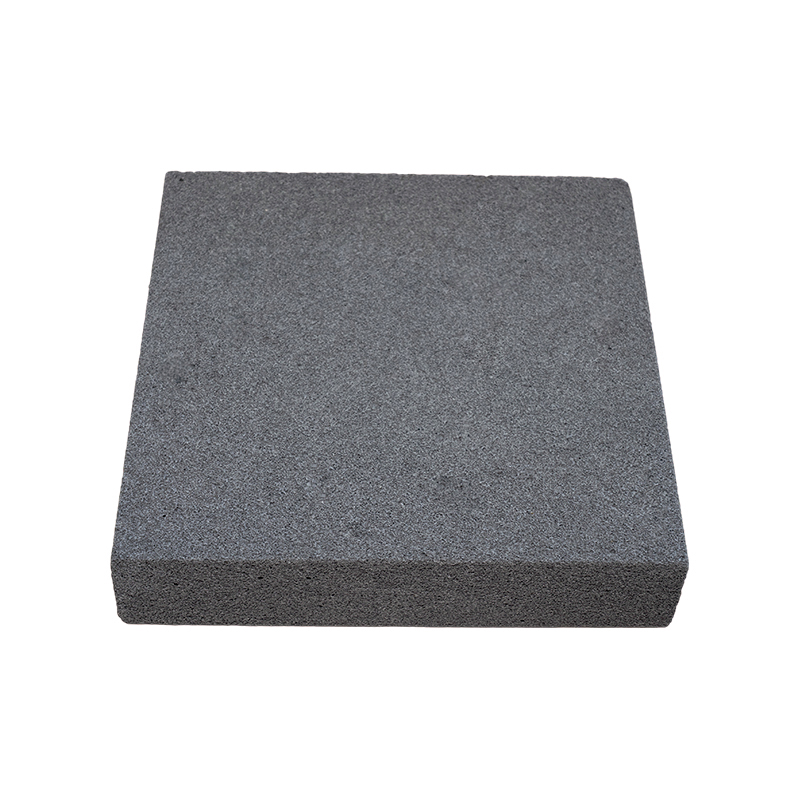

 Quick Link


