
Content
High temperature insulation refers to materials engineered to limit heat transfer in environments where surface or process temperatures exceed 250°C—and in many industrial applications, exceed 1000°C. Among the options available today, foamed calcium silicate insulation material stands out as one of the most practical and widely specified solutions, combining a continuous service temperature of up to 1000°C with low thermal conductivity, excellent compressive strength, and resistance to moisture and flame.
For engineers specifying insulation on furnaces, pipelines, kilns, boilers, or petrochemical vessels, foamed calcium silicate insulation material offers a technically verifiable performance profile that generic mineral wool or ceramic fibre blankets cannot always match across all service conditions simultaneously.
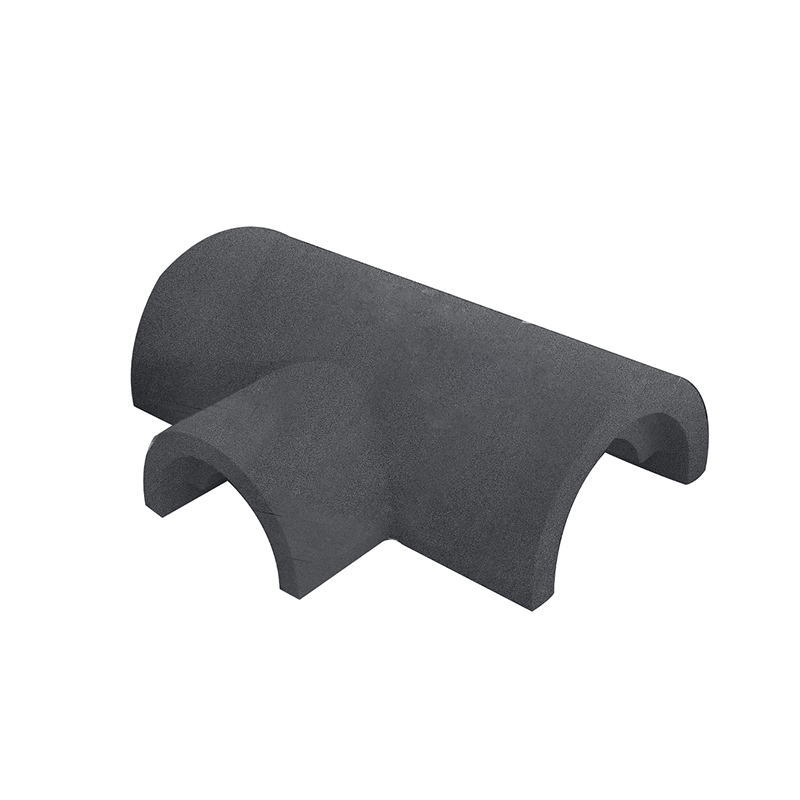
Foamed calcium silicate insulation material is an inorganic, rigid thermal insulation product manufactured from calcium silicate hydrate—a stable crystalline compound formed by reacting lime, silica, and reinforcing fibres under high-pressure steam curing. The foamed or microporous structure that results gives the material its characteristically low density and low thermal conductivity while retaining the rigid, load-bearing properties needed for industrial pipe and equipment insulation.
Unlike organic foam insulations, foamed calcium silicate contains no combustible content, does not soften under heat, and does not release toxic gases when exposed to flame—making it inherently safe for high temperature insulation duties in occupied industrial facilities.
| Property | Standard Grade | High-Temperature Grade |
|---|---|---|
| Max Continuous Service Temperature | 650°C | 1000°C |
| Bulk Density | 200–240 kg/m³ | 220–260 kg/m³ |
| Thermal Conductivity at 300°C | 0.09–0.12 W/(m·K) | 0.10–0.14 W/(m·K) |
| Compressive Strength | ≥ 0.5 MPa | ≥ 0.6 MPa |
| Linear Shrinkage after Heat Treatment | ≤ 2% | ≤ 2% |
| Combustibility Classification | A1 Non-combustible | A1 Non-combustible |
Foamed calcium silicate boards and shapes are installed as furnace wall lining, hearth insulation, and crown backup insulation in steel reheating furnaces, ceramic kilns, and glass-melting tanks. The material's dimensional stability under cyclic heating prevents the joint gaps and lining deterioration that lead to heat loss and structural damage over time.
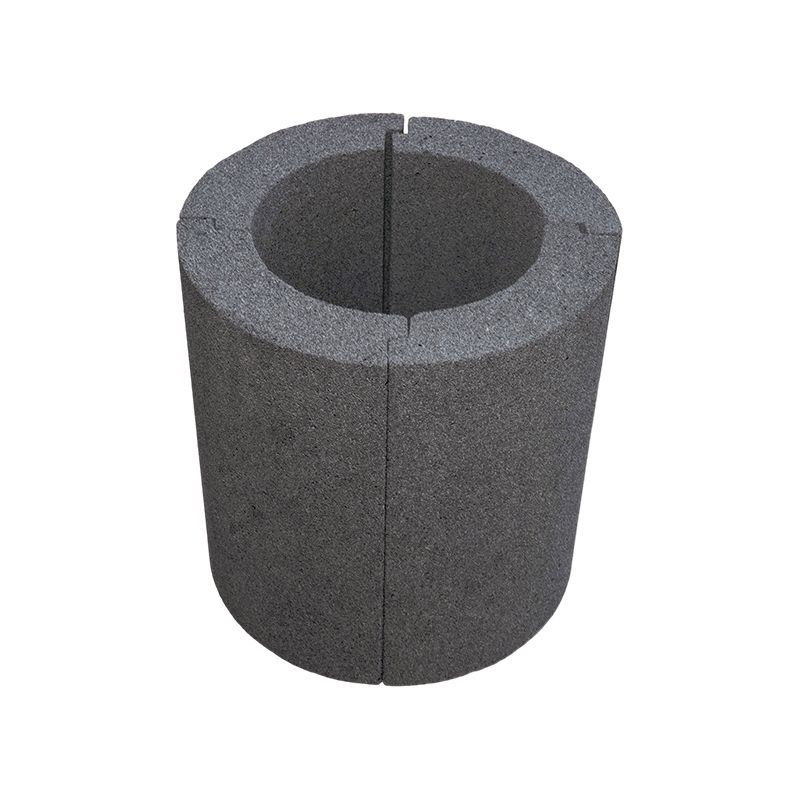
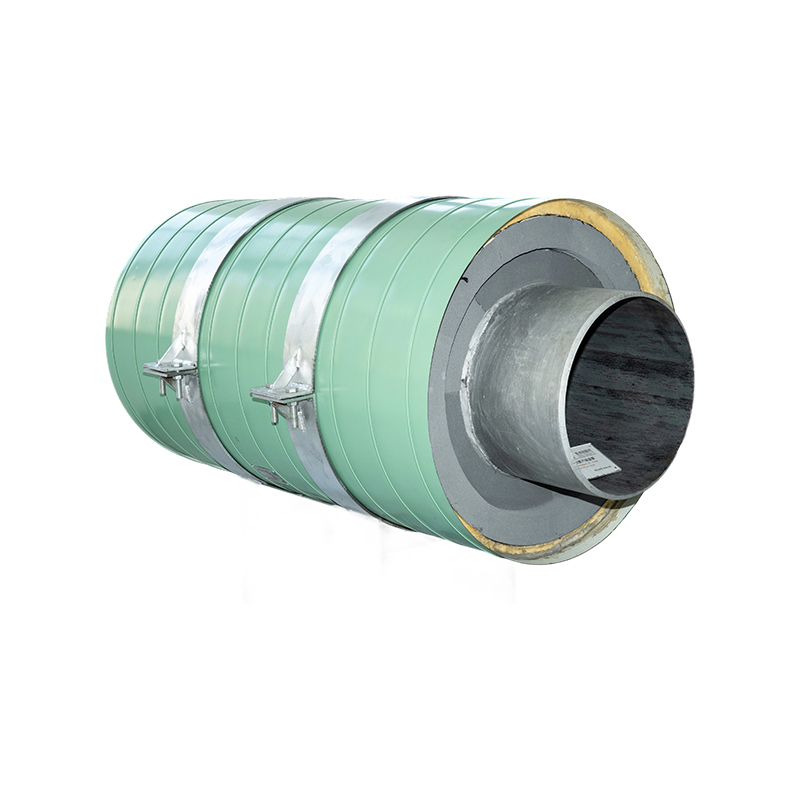
High-pressure steam systems operating at 400–600°C require insulation that maintains its thickness and thermal resistance across decades of continuous operation. Calcium silicate pipe sections and flat boards are applied to boiler casings, main steam lines, and feedwater pipework in coal, gas, and biomass power stations worldwide.
Distillation columns, reactors, and fired heaters in refineries operate at elevated temperatures while being subject to mechanical stress, vibration, and process fluid leaks. Foamed calcium silicate's compressive strength and resistance to hydrocarbon contamination make it a preferred high temperature insulation choice for these demanding service conditions.
Holding furnaces, launder systems, and degassing units in aluminium smelters require insulation that withstands molten metal splash and flux exposure without degradation. High-temperature grade calcium silicate provides the thermal and chemical resistance needed in this environment.
| Material | Max Temp. | Rigidity | Moisture Resistance | Best For |
|---|---|---|---|---|
| Foamed Calcium Silicate | 1000°C | High | Good | Pipes, vessels, furnace walls, load-bearing surfaces |
| Ceramic Fibre Blanket | 1260°C+ | Low (flexible) | Poor | Furnace hot-face lining, irregular surfaces |
| Mineral Wool (Rockwool) | 700–800°C | Medium | Moderate | Building fabric, mid-temperature pipework |
| Microporous Silica Panel | 1000°C | Medium | Good | Space-constrained applications requiring ultra-low conductivity |
| Refractory Castable | 1200°C+ | Very High | Excellent | Extreme temperature hot-face lining, structural refractory |
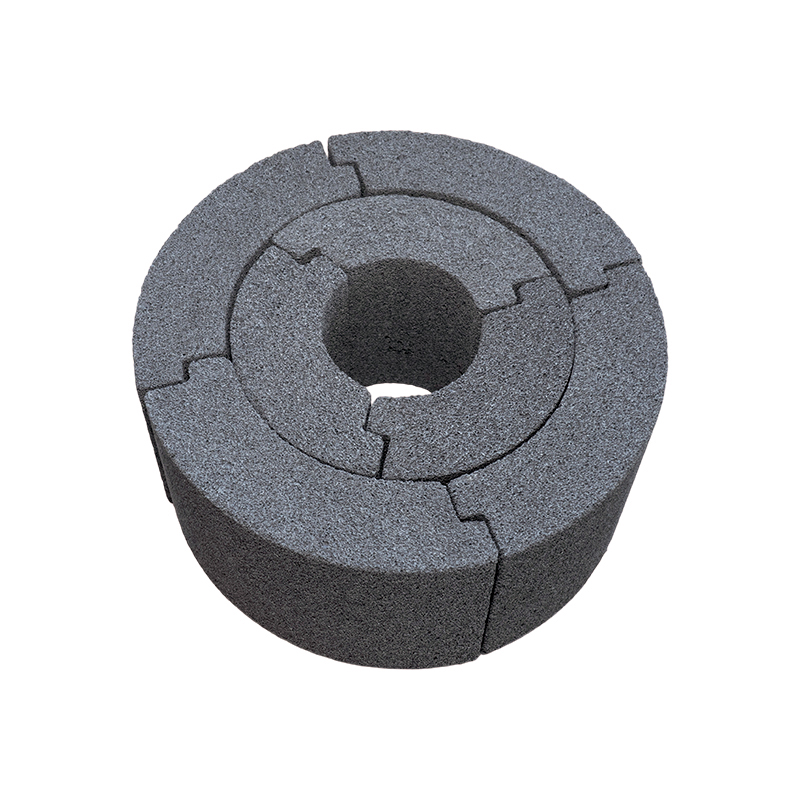
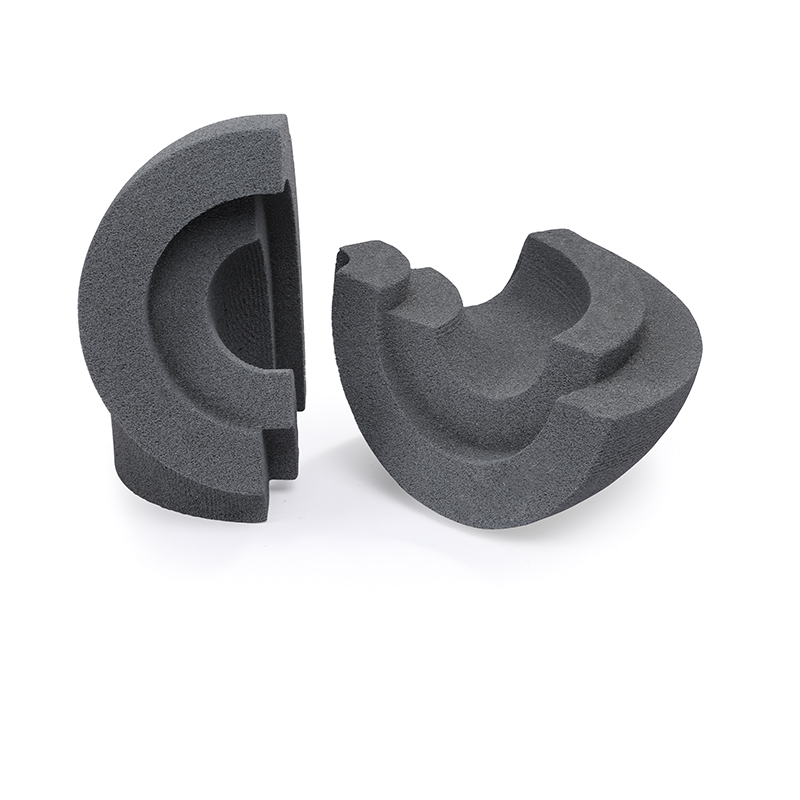
Zhejiang Yucheng New Materials Co., Ltd. supplies foamed calcium silicate insulation material in board, pipe section, and custom-shaped formats, with technical data sheets and installation guidance available for each product grade. Consulting directly with the manufacturer during the specification stage ensures the selected product is matched to the thermal, mechanical, and chemical demands of your high temperature insulation application.
Copyright © Zhejiang Yichuang New Material Technology Co., Ltd. Calcium Silicate Pipe Insulation Manufacturer Fireproof Material Supplier





 English
 عربى
عربى Español
 русский
 Deutsch
 中文简体
中文简体

 English
 عربى
عربى Español
 русский
 Deutsch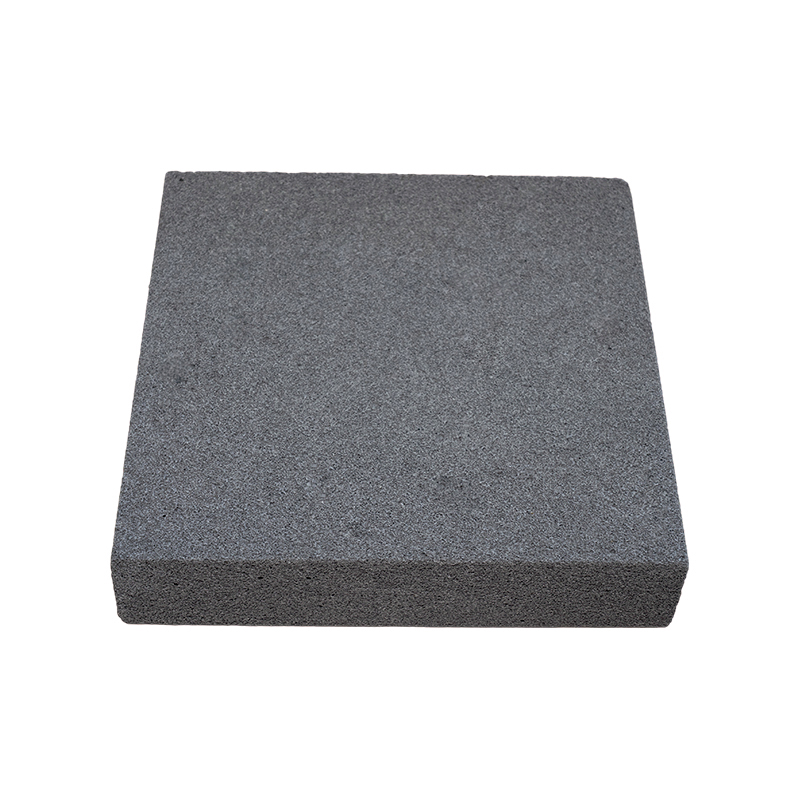

 Quick Link


