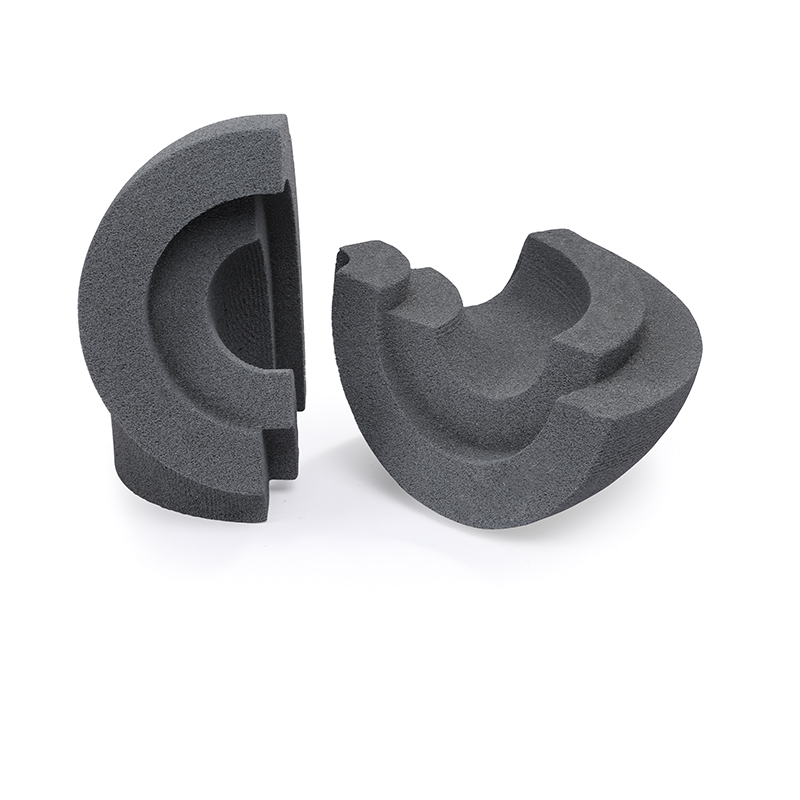
When pipelines, valves, flanges, or elbows need insulation, standard flat board simply won't conform to irregular surfaces. Foamed calcium silicate special-shaped insulation material is precision-manufactured to fit curved surfaces, T-junctions, reducers, and custom contours — eliminating thermal bridging and ensuring consistent performance across the entire insulation system. Unlike improvised solutions using cut flat board or compressed mineral wool wraps, special-shaped components are produced to exact dimensions, so the insulation system performs as intended from the first day of operation.
The foamed microstructure creates engineered porosity that reduces bulk density while maintaining the compressive strength needed for handling, banding, and cladding on site. This makes foamed calcium silicate special shapes practical for overhead pipe runs and equipment with complex geometry, where weight load on supports is a real constraint. The material contains no organic binders, which means no off-gassing or binder burnout at elevated temperatures — a relevant consideration in food processing, pharmaceutical, and clean-environment industrial facilities.
Material Properties That Define Performance
Foamed calcium silicate is produced through a hydrothermal reaction between calcium compounds and siliceous materials, with reinforcing fibers and foaming agents controlling the final pore structure. The crystalline phases formed — primarily xonotlite or tobermorite — are chemically stable at high temperatures and do not undergo the phase changes that cause shrinkage or structural failure in less stable insulation materials.
Key performance characteristics include low thermal conductivity that remains relatively stable as temperature increases, low linear shrinkage that prevents gap formation during thermal cycling, and sufficient compressive and flexural strength to survive installation without cracking. The material is also classified as non-combustible — achieving Class A1 under European fire classification — which satisfies fire safety requirements in power plants, marine applications, and building services without additional intumescent coatings.
For projects involving austenitic stainless steel piping, chloride content in the insulation is a critical specification point. Calcium silicate products compliant with ASTM C795 are formulated to limit water-soluble chloride content to levels that do not cause stress corrosion cracking on 300-series stainless steel pipe surfaces — this standard should be specified explicitly whenever stainless steel pipe is involved.
Common Special Shapes and What They Cover
Special-shaped calcium silicate components are manufactured to geometries that flat boards or standard straight pipe sections cannot achieve. These shapes are produced through mold casting, CNC machining, or a combination of both depending on the complexity of the required form. The most widely used types include:
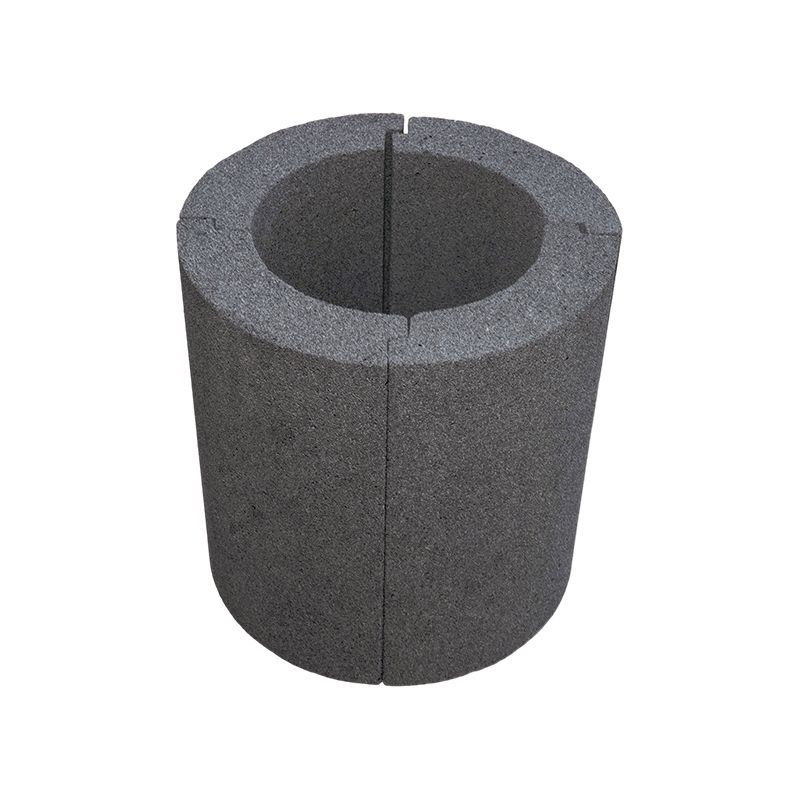
- Pipe sections (half-shells): Curved sections matched to specific pipe outer diameters. Inner diameter tolerance is the most critical dimension — a poor fit leaves a gap between insulation and pipe surface that acts as a direct thermal bypass, reducing the effective insulation value of the entire layer.
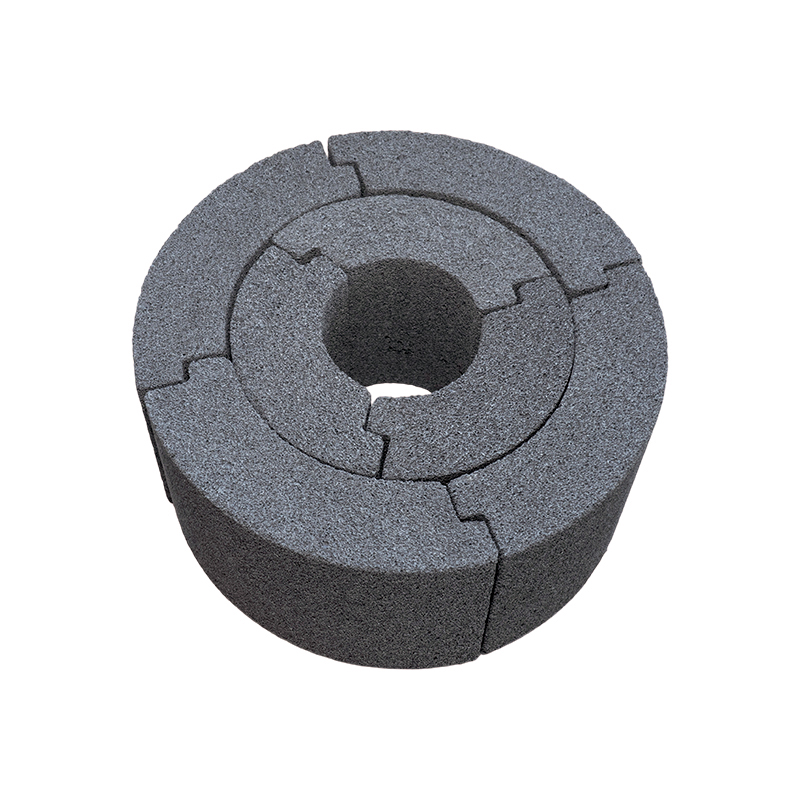
- Elbow covers: 45° and 90° elbow insulation produced as single molded pieces or as numbered mitered segment sets for on-site assembly. Molded pieces give cleaner thermal continuity; mitered segments are more cost-effective for large quantities.
- Flange covers: Ring-shaped pieces that wrap raised-face or ring-type joint flanges without compressing gaskets or blocking bolt access during operation and maintenance.
- Valve boxes: Multi-part enclosures for gate, globe, ball, and check valves that keep the handwheel or actuator fully accessible without breaking the insulation envelope around the valve body.
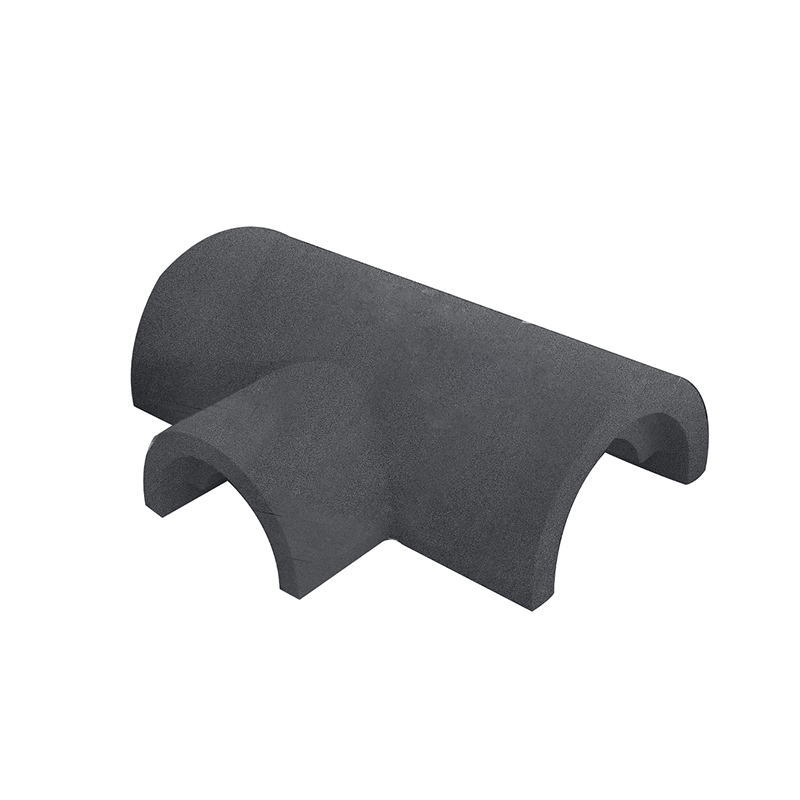
- Reducers and tees: Transition pieces covering pipe diameter changes and branch connections — two geometries that are particularly difficult to insulate properly with improvised cut-and-wrap methods.
- Custom engineering shapes: Any geometry produced to client drawings, including furnace arch blocks, vessel nozzle covers, saddle pieces, and fully bespoke forms for non-standard equipment configurations.
The dimensional accuracy of manufactured special shapes directly determines system thermal performance. Even small gaps between the insulation inner surface and the pipe outer surface reduce effective thermal resistance across the installation — this is why ordering to correct pipe OD and confirming coating thickness before specifying is essential, not optional.
Industries That Use These Components
Foamed calcium silicate special shapes are standard specification items across industries where sustained high temperatures, complex piping geometry, and long service life requirements converge:
- Power generation: High-pressure steam networks on boiler systems use calcium silicate pipe sections and valve boxes as standard insulation components. The material's behavior under condensate exposure during startup and shutdown cycles reduces corrosion-under-insulation risk on carbon steel pipe compared to fibrous insulation alternatives.
- Petrochemical refining: Crude distillation, catalytic cracking, and hydrocracker process lines run through dense piperack arrangements with frequent direction changes, instrument connections, and control valve stations — all of which require special-shaped insulation components for complete system coverage.
- Steel and metallurgy: Blast furnace hot blast mains, annealing furnaces, and continuous casting equipment require insulation that maintains dimensional stability under repeated thermal cycling at temperatures where ceramic fiber blanket compresses and loses performance under mechanical contact.
- Shipbuilding: Marine exhaust insulation in engine rooms must meet class society fire safety requirements (Lloyd's Register, DNV, Bureau Veritas) in addition to performing thermally. Calcium silicate's non-combustible classification makes it a direct fit for SOLAS-governed spaces without additional treatment layers.
- Cement production: Cyclone preheater towers and tertiary air ducts operate in alkali-laden dust environments that degrade ceramic fiber products over relatively short service periods. Calcium silicate special shapes hold up in these conditions through extended production campaigns without significant surface erosion or structural loss.
Specifying the correct standard for your project jurisdiction prevents rejection at incoming inspection and ensures the product meets the thermal and mechanical requirements your engineering calculations assume. The main standards that apply:
- ASTM C533: The primary American standard for calcium silicate pipe and tank insulation. Defines three type categories by maximum service temperature and sets minimum requirements for compressive strength, modulus of rupture, thermal conductivity, and linear shrinkage.
- ASTM C795: Covers insulation used on austenitic stainless steel, limiting chloride content and pH to prevent stress corrosion cracking. Must be specified separately from C533 whenever stainless steel piping is involved.
- EN 14303: European standard covering factory-made mineral silicate insulation products, including calcium silicate, for industrial pipe and equipment insulation applications.
- ISO 7634: International standard for calcium silicate products, used as the basis for national standards in many Asian and Middle Eastern markets where ASTM or EN references are not the primary regulatory framework.
- EN ISO 1182: Fire performance testing standard — calcium silicate achieves Class A1 non-combustible classification, the highest fire safety rating for construction and industrial insulation products under European classification.
Material test certificates and third-party test reports from accredited laboratories should be requested with every order on projects where process safety, fire safety, or regulatory compliance is audited. Reputable manufacturers maintain current test documentation and can provide it on demand.
How to Specify the Right Product for Your Application
Correct specification prevents shape mismatches, grade errors, and rework. Every order for foamed calcium silicate special shapes should include the following:
- Operating temperature at the pipe or equipment surface — not ambient temperature. This determines the material grade required under the applicable standard.
- Pipe outer diameter (OD) in millimeters. Confirm whether a corrosion protection coating is applied before insulation, as this adds to the effective OD and changes the required insulation inner diameter.
- Insulation thickness from a heat loss calculation based on operating temperature, ambient temperature, and the allowable surface temperature or heat loss budget defined in the project specification.
- Shape type and geometry — elbow angle, flange pressure class, valve body type and dimensions, or a dimensioned drawing for custom shapes. For elbows, specify whether factory-mitered segments or cast elbow halves are required.
- Applicable standard and any supplementary requirements — including ASTM C795 for stainless steel pipe, fire classification requirements, or project-specific chloride or pH limits.
Standard shapes are generally available within a short lead time. Custom shapes — those requiring mold fabrication or CNC programming — need additional time for prototype verification before full production proceeds. Confirming quantities and drawings with the manufacturer well ahead of the required delivery date is the most reliable way to avoid schedule pressure that forces compromises on dimensional accuracy or material grade.
```






 English
 عربى
عربى Español
 русский
 Deutsch
 中文简体
中文简体

 English
 عربى
عربى Español
 русский
 Deutsch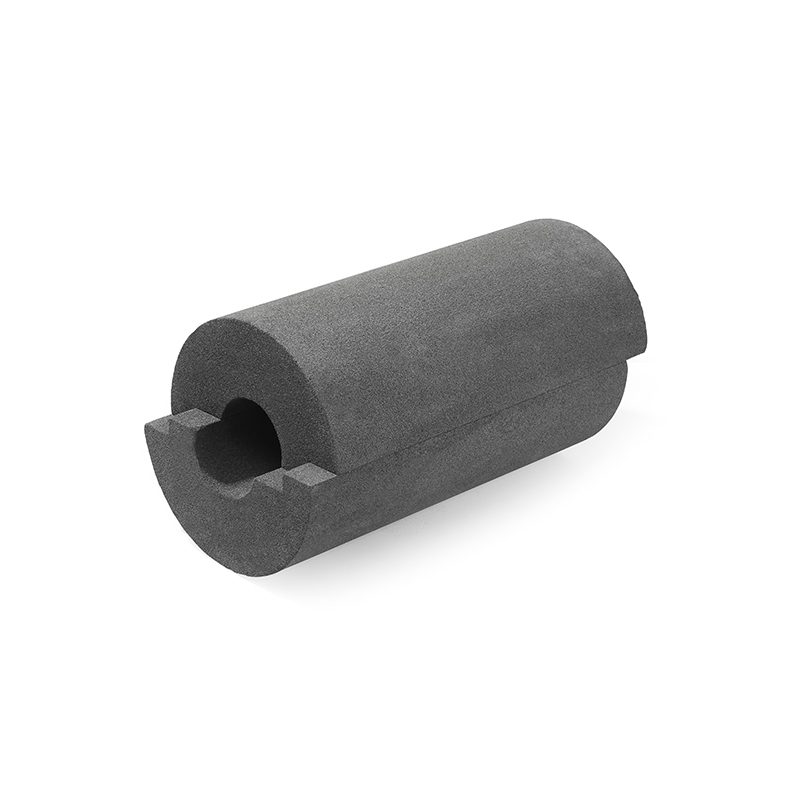

 Quick Link


