
Content
Calcium silicate is a versatile inorganic compound widely used as a high-performance insulation, fireproofing, and construction material. Its core applications span industrial thermal insulation, passive fire protection, building boards, and specialty filler materials. Among its many forms, Foamed Calcium Silicate has emerged as a leading solution for scenarios demanding lightweight structure combined with superior thermal resistance and non-combustibility.
Whether you are an engineer selecting pipe insulation for a power plant, a contractor choosing fire-rated wall boards, or a product designer evaluating functional fillers, understanding what calcium silicate is used for—and how foamed variants differ from standard grades—will directly impact material performance and project cost.
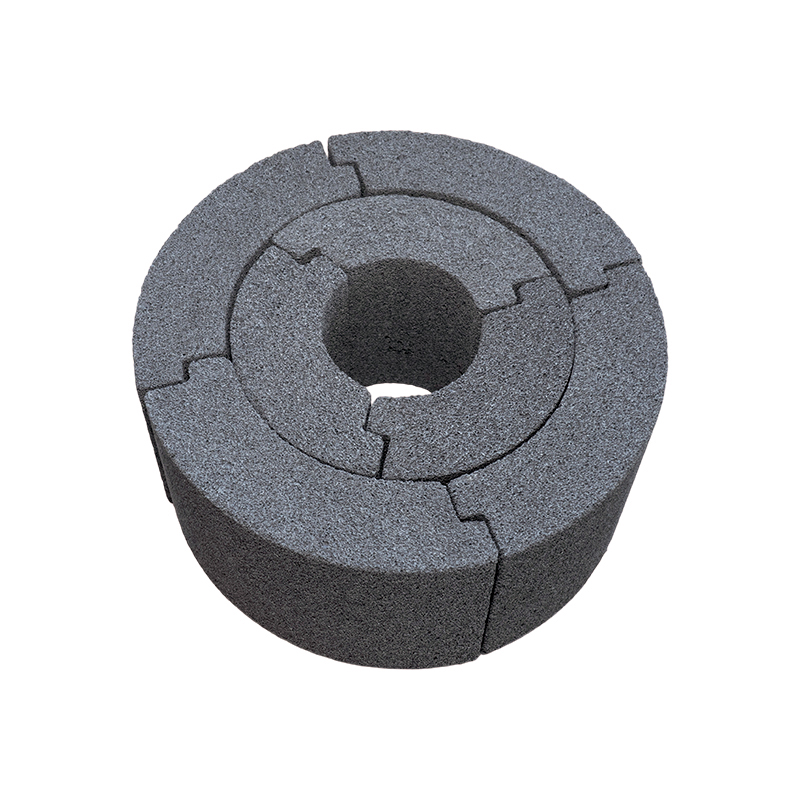
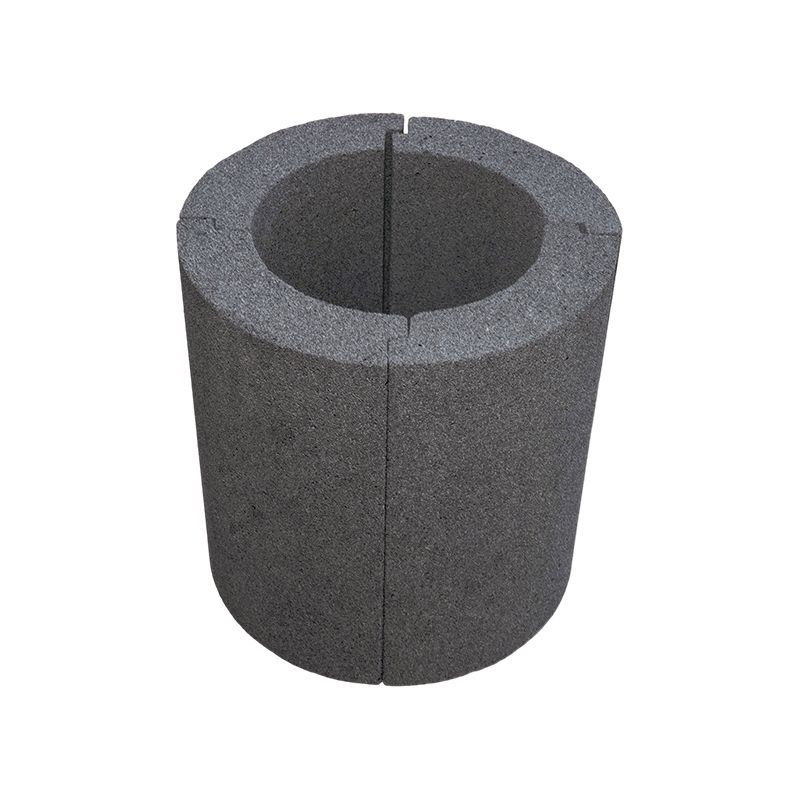
The most established use of calcium silicate is high-temperature industrial insulation. Standard calcium silicate insulation products are rated for continuous service temperatures typically between 650 °C and 1,000 °C, making them indispensable in:
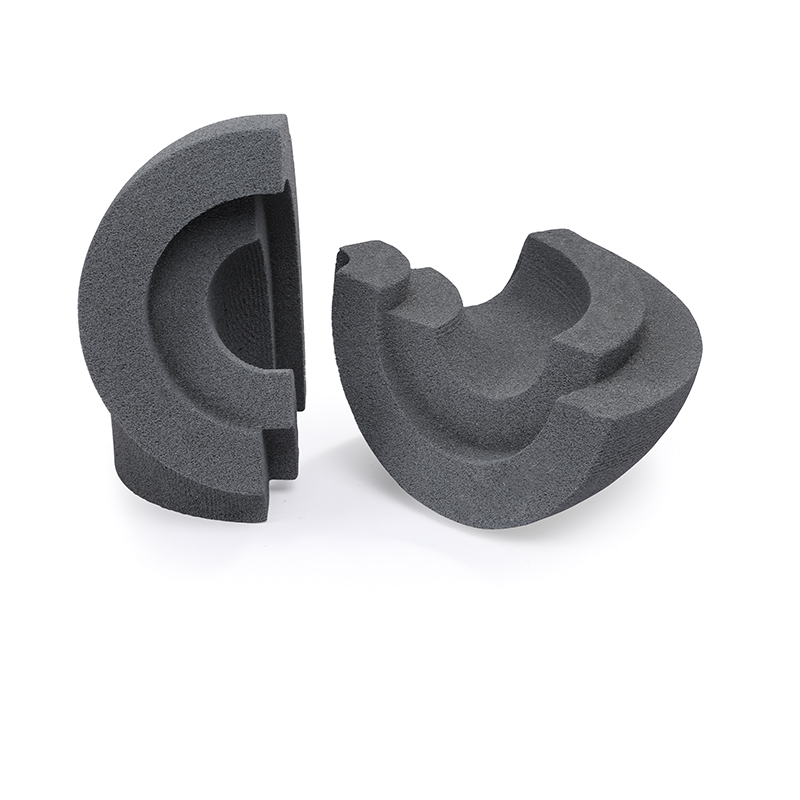
Compared to mineral wool or ceramic fiber blankets, rigid calcium silicate blocks and pipe sections offer mechanical strength that supports their own weight without sagging, a critical advantage on long horizontal pipe runs operating above 300 °C.
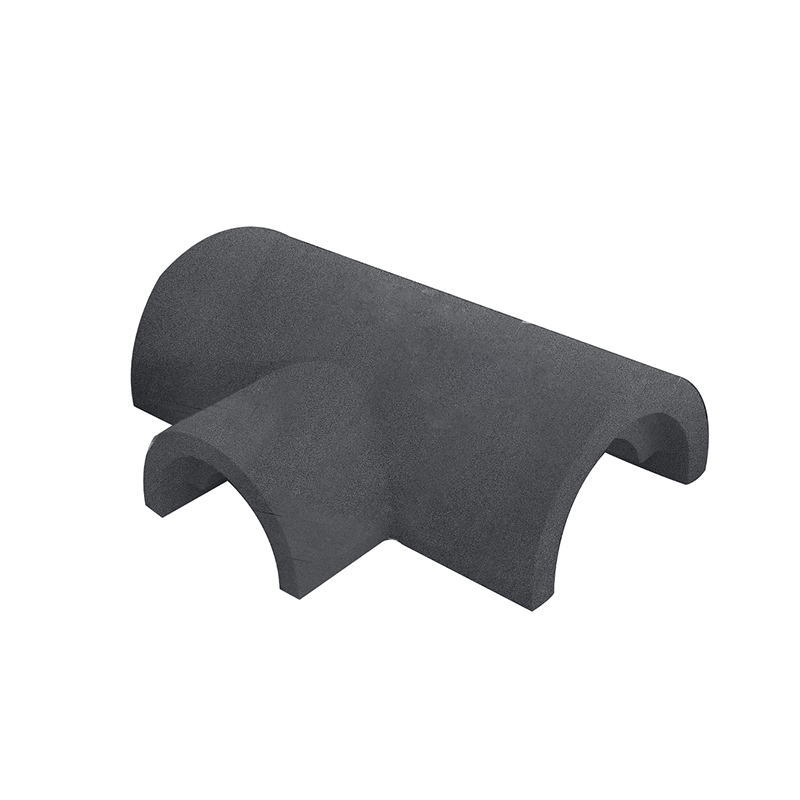
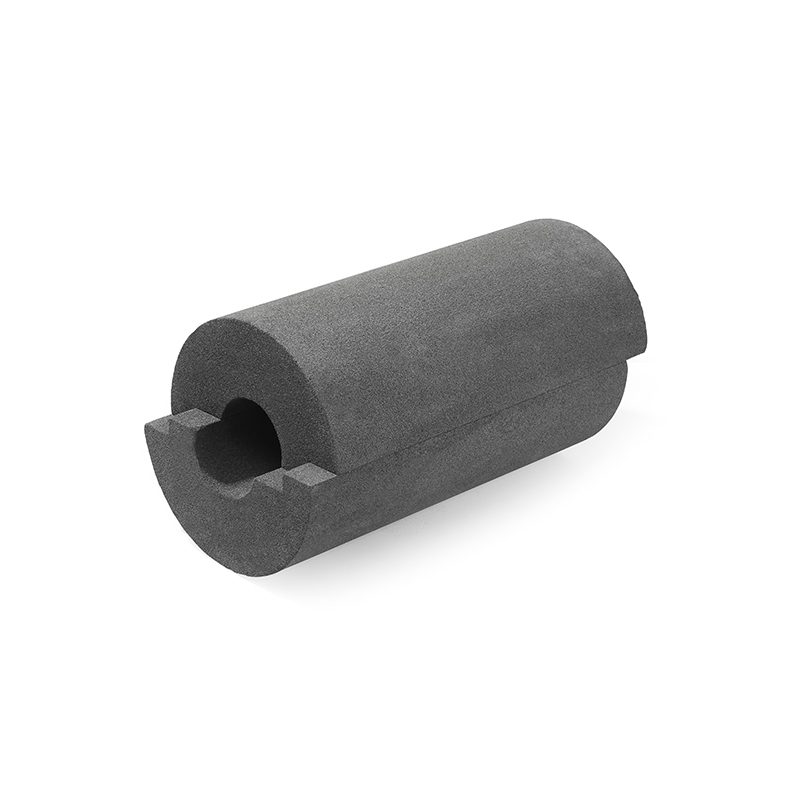
Foamed Calcium Silicate extends this thermal capability while significantly reducing density. Typical density for foamed grades ranges from 200 to 400 kg/m³, compared to 500–900 kg/m³ for dense calcium silicate boards, cutting structural load and handling labor on large installation projects.
Calcium silicate is classified as a Class A (non-combustible) material under most international standards, including EN 13501-1 in Europe and ASTM E136 in North America. This makes it a primary choice for passive fire protection systems designed to compartmentalize fires and protect structural steel.
Foamed Calcium Silicate products used in fire protection applications demonstrate near-zero flame spread index and produce no toxic combustion gases, which is a regulatory requirement in enclosed public infrastructure.
Beyond fire protection, calcium silicate boards serve as a general-purpose construction panel for environments where moisture resistance and dimensional stability are critical. Unlike gypsum wallboard, calcium silicate boards do not swell, warp, or delaminate when exposed to water, making them suitable for:
Standard calcium silicate boards used in construction typically have a compressive strength of 5–20 MPa and a flexural strength of 4–10 MPa, enabling direct fastening without backing frames in many low-load applications.
Foamed Calcium Silicate is produced by introducing a controlled cellular microstructure into the calcium silicate matrix during manufacturing—analogous to how cellular concrete differs from standard concrete. This cellular architecture delivers a distinct performance profile compared to dense grades.
| Property | Standard Calcium Silicate | Foamed Calcium Silicate |
|---|---|---|
| Bulk Density (kg/m³) | 500 – 900 | 200 – 400 |
| Thermal Conductivity (W/m·K at 25 °C) | 0.18 – 0.25 | 0.06 – 0.12 |
| Max Service Temperature (°C) | 650 – 1,000 | 650 – 1,000 |
| Fire Classification | Class A / Non-combustible | Class A / Non-combustible |
| Sound Absorption Coefficient (NRC) | 0.20 – 0.40 | 0.50 – 0.80 |
| Compressive Strength (MPa) | 5 – 20 | 1 – 5 |
The lower thermal conductivity of foamed grades—often 40–50% lower than dense counterparts—translates directly into thinner insulation sections achieving equivalent R-values, reducing material volume and installation space on constrained equipment layouts.
The open-cell microstructure of Foamed Calcium Silicate gives it substantially better sound absorption than dense grades. Noise Reduction Coefficient (NRC) values for foamed products typically reach 0.50 to 0.80, making them functional in dual-purpose applications where both thermal and acoustic performance are required, such as:
This acoustic advantage positions Foamed Calcium Silicate as a direct competitor to mineral wool in applications where rigid form factor and surface durability are preferred over flexible blanket materials.
While calcium silicate is most recognized for high-temperature service, certain specialized grades—including some foamed formulations—are applied in below-ambient cold insulation systems for liquid natural gas (LNG) equipment, cold storage facilities, and cryogenic process piping. In these applications, the material's low moisture absorption and dimensional stability under thermal cycling are the critical selection criteria, as moisture ingress into cold insulation dramatically increases heat gain and accelerates corrosion under insulation (CUI).
Foamed Calcium Silicate designed for cold service typically achieves water absorption below 5% by volume under ASTM C533 test conditions, compared to 10–25% for open-cell mineral fiber products, significantly extending service life in humid or outdoor environments.
Calcium silicate in micronized powder form is used as a functional filler and extender pigment in industrial coatings, intumescent paints, and construction sealants. Its primary roles in these applications include:
Precipitated calcium silicate is approved as a food additive (E552) under EU food regulations and is listed in the FDA's GRAS (Generally Recognized as Safe) database. It functions primarily as an anti-caking agent in powdered foods, table salt, powdered beverages, and pharmaceutical tablet excipients. Its high surface area—typically 100–250 m²/g—allows it to adsorb moisture and free-flowing oils that would otherwise cause powder agglomeration.
In pharmaceutical manufacturing, calcium silicate is also used as a flow aid and tablet disintegrant, improving the uniformity and dissolution profile of oral solid dosage forms.
The broad application spectrum of calcium silicate means that product selection requires careful matching of grade to service conditions. Key decision factors include:
Confirm the maximum continuous operating temperature. Standard calcium silicate grades perform reliably up to 650 °C; refractory-grade products extend service to 1,000 °C. Foamed grades generally maintain the same temperature ceiling as dense grades of equivalent composition.
If the insulation must bear foot traffic, equipment weight, or significant wind load on façades, dense calcium silicate with compressive strength above 10 MPa is more appropriate. Foamed grades are better suited to non-load-bearing enclosures, ceiling tiles, and pipe jacketing where weight reduction matters more than compressive resistance.
For outdoor service or high-humidity environments, specify products with hydrophobic treatment or low inherent water absorption. Untreated calcium silicate is hydrophilic and will absorb water if exposed, which degrades thermal performance and may contribute to corrosion under insulation on metal substrates.
Verify that the product holds relevant certifications for the jurisdiction and application—such as EN 14306 for industrial insulation, EN 15283 for gypsum board with fiber reinforcement, or relevant UL listings for fire-rated assemblies in North America. For food and pharmaceutical use, confirm E552 or FDA compliance documentation.
Copyright © Zhejiang Yichuang New Material Technology Co., Ltd. Calcium Silicate Pipe Insulation Manufacturer Fireproof Material Supplier





 English
 عربى
عربى Español
 русский
 Deutsch
 中文简体
中文简体

 English
 عربى
عربى Español
 русский
 Deutsch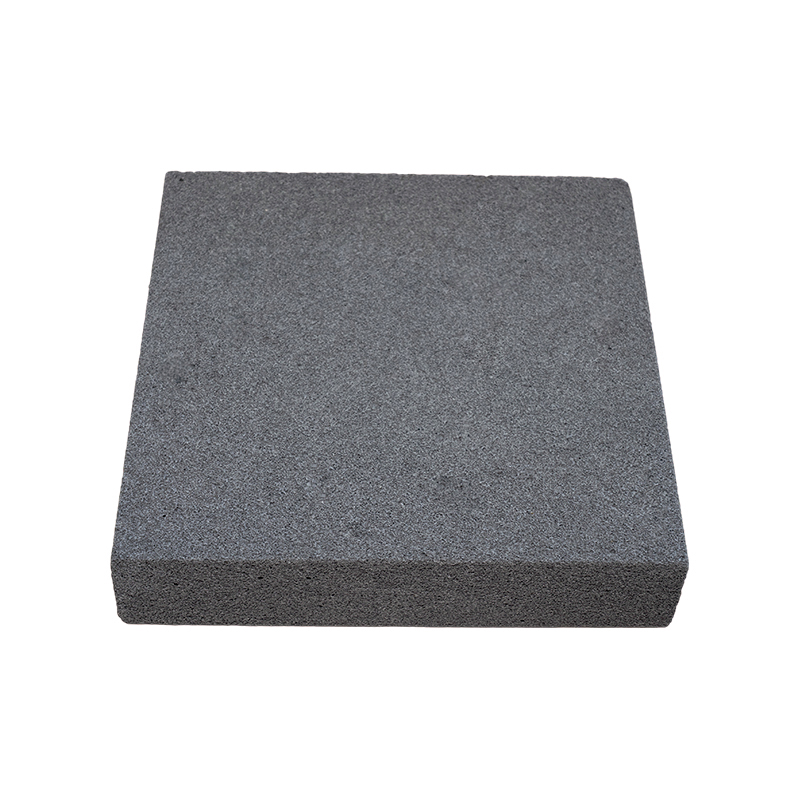

 Quick Link


