
Content
Calcium silicate is used across a wide range of heavy industries wherever high-temperature insulation, fire protection, structural rigidity, and chemical resistance are required simultaneously. The primary industries that depend on it include steel and metallurgy, petrochemicals and oil refining, power generation, aluminum processing, glass and ceramics manufacturing, cement production, construction, and shipbuilding. In each of these sectors, calcium silicate performs functions that no single polymer, mineral wool, or refractory brick product can replicate at the same combination of temperature range, mechanical strength, and dimensional precision.
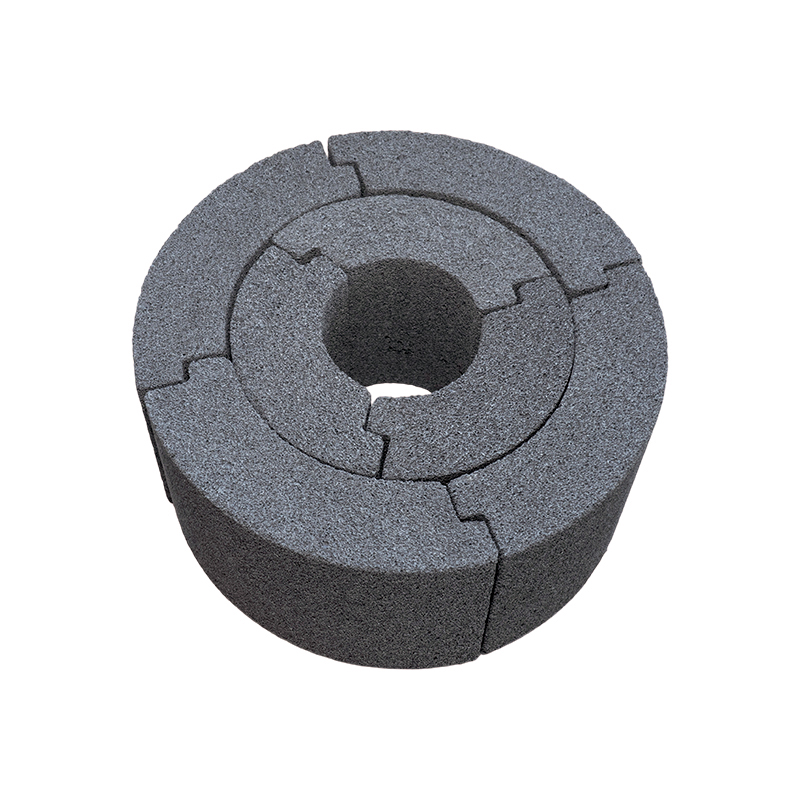
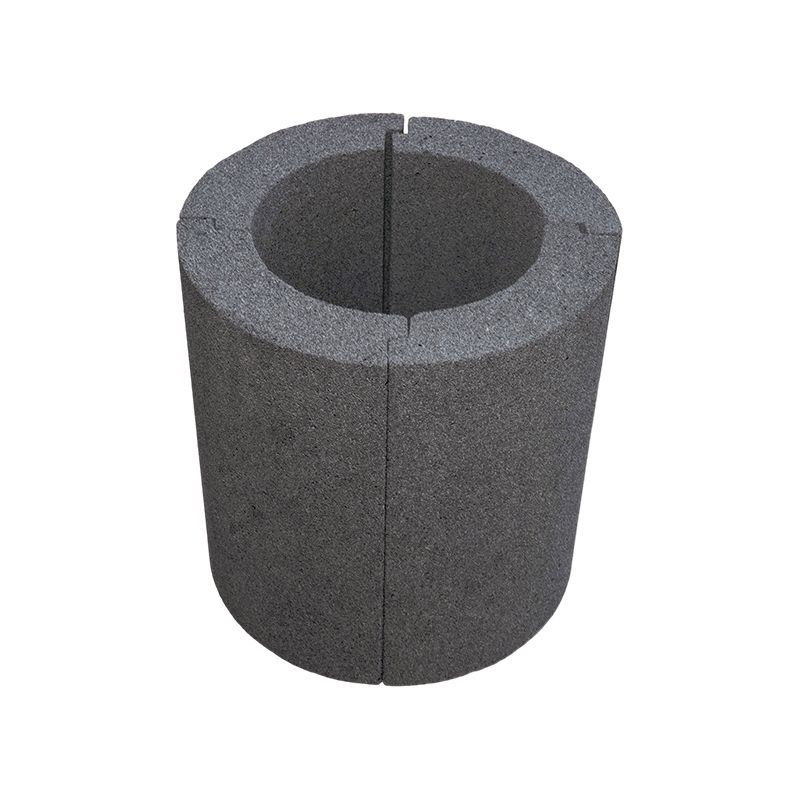
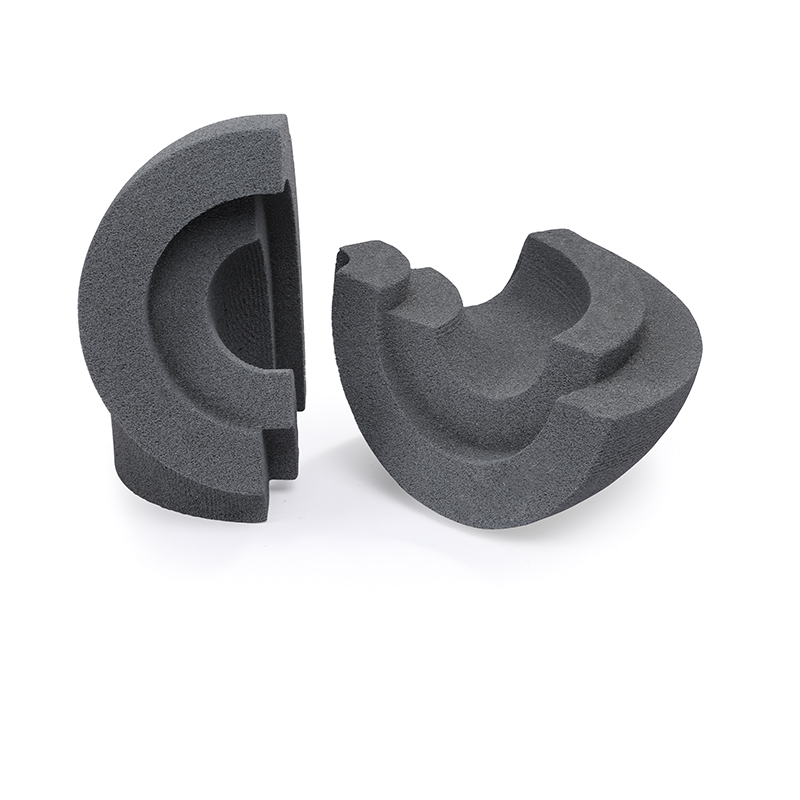
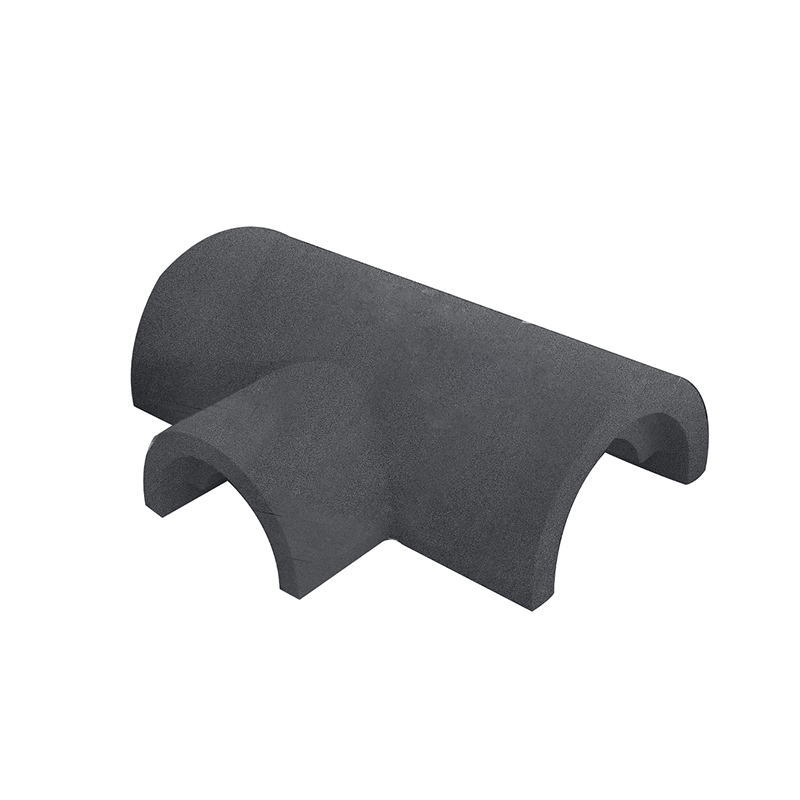
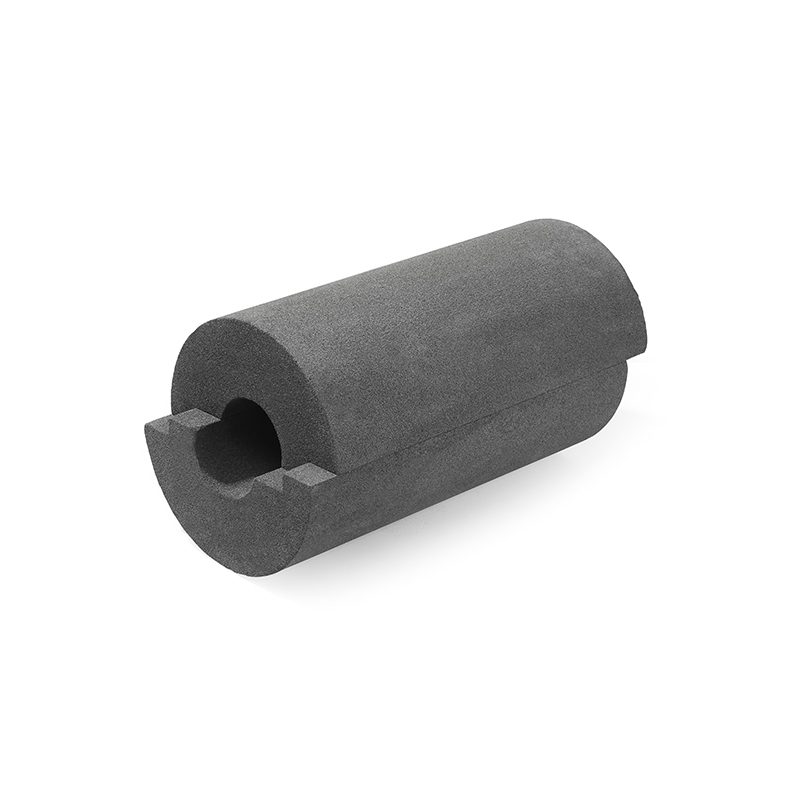
Within these industries, custom calcium silicate shaped parts — precision-molded components engineered to specific geometries, tolerances, and thermal ratings — have become the preferred insulation solution for non-standard equipment geometries such as reactor flanges, furnace wall penetrations, pipe elbows, burner blocks, and ladle inserts where flat boards or standard pipe sections cannot achieve the required fit or sealing performance.
Before examining industry-by-industry applications, it is worth understanding the material properties that make calcium silicate the specified choice across so many demanding sectors. Calcium silicate is produced by reacting calcium oxide (lime) with silica (SiO₂), reinforced with cellulose or mineral fibers and molded into a rigid, non-combustible structure. The result is an inorganic, asbestos-free material that combines a set of properties rarely found together in a single insulation product.
| Property | Typical Range / Value | Industrial Significance |
|---|---|---|
| Maximum Service Temperature | 650°C – 1100°C (varies by grade) | Covers all major furnace, kiln, and reactor operating ranges |
| Thermal Conductivity | 0.10 – 0.20 W/(m·K) at 200°C | Low heat loss through linings; energy savings in continuous operation |
| Compressive Strength | Up to 6.0 MPa (870 psi) for high-density grades | Supports mechanical loads in pipe supports, ladle inserts, and furnace floors |
| Density | 170 – 870 kg/m³ (grade dependent) | Lightweight enough for overhead installation; dense grades for load-bearing use |
| Dimensional Stability | No significant shrinkage at rated temperature | Maintains joint integrity and prevents cold-side heat bridges over service life |
| Chemical Resistance | Resistant to acids, alkalis, moisture, and most process gases | Suitable for petrochemical, marine, and chemical processing environments |
No single alternative — mineral wool blankets, ceramic fiber boards, or expanded perlite — simultaneously delivers this combination of temperature resistance, structural load capacity, dimensional stability, and machinability into custom shapes. This is why calcium silicate dominates the high-temperature rigid insulation segment and why the demand for custom-shaped parts has grown as industrial equipment designs become more complex.
The steel industry is among the largest consumers of calcium silicate insulation globally. Steelmaking processes operate continuously at extreme temperatures, and every kilowatt of heat retained within the furnace lining directly reduces fuel consumption and production cost. Calcium silicate's ability to withstand temperatures up to 1100°C while maintaining compressive strength up to 5.5 MPa makes it the standard backup insulation material behind dense refractory linings in multiple steelmaking assets.
Petrochemical plants and oil refineries present a challenging combination of high process temperatures, corrosive chemical environments, and stringent fire safety regulations — conditions that calcium silicate handles better than most insulation alternatives. Process temperatures in reformers, crackers, and distillation columns routinely exceed 600°C, while the surrounding environment may involve hydrocarbon vapors, moisture, sulfur compounds, and acid gases.
Custom calcium silicate shaped parts are specified throughout petrochemical facilities for:
Power plants — whether conventional thermal, combined-cycle gas turbine, or waste-to-energy — contain large inventories of high-temperature piping, boilers, and exhaust ducting that require durable, long-service insulation. Unlike industrial processes that can be shut down seasonally, power generation equipment often runs continuously for years between planned outages, demanding insulation materials with stable long-term performance rather than those that degrade through thermal cycling.
Calcium silicate meets this requirement through its dimensional stability at service temperature — it does not shrink, creep, or lose insulation value over multi-year continuous operation the way mineral wool can compact and settle. Key power generation applications include:
Aluminum smelting and processing imposes a unique challenge on insulation materials: molten aluminum at approximately 700–900°C is highly reactive with many refractory oxides and silicates. Standard calcium silicate can react with molten aluminum, which is why the aluminum industry specifically uses aluminum non-wetting dense calcium silicate — formulations treated to minimize chemical interaction with molten aluminum while retaining full thermal insulation performance.
Custom calcium silicate shaped parts for aluminum processing are commonly found in:
Glass furnaces, ceramic kilns, and cement rotary kilns represent the highest-temperature continuous industrial processes where calcium silicate is routinely deployed. Glass melting tanks operate at 1400–1600°C, far exceeding calcium silicate's direct service temperature, but calcium silicate is used extensively in the backup insulation zone between the dense crown and superstructure refractories and the outer steel shell — where temperatures are reduced to the 600–1000°C range suitable for high-grade calcium silicate.
In the construction sector, calcium silicate serves a fundamentally different purpose than in process industries: it is used primarily as a structural fire protection material rather than a thermal insulation product. Calcium silicate boards and custom-cut panels are specified for the encasement of structural steel columns and beams, fire-rated wall and ceiling assemblies, fire doors, HVAC duct enclosures, and electrical service penetration seals.
The key performance requirement in fire protection applications is that the material must remain intact and dimensionally stable at fire temperatures for a defined period — typically 60, 90, or 120 minutes — to allow building evacuation and emergency response. Calcium silicate satisfies this requirement through its non-combustible composition, low thermal conductivity, and absence of organic binders that would burn away and cause structural collapse.
Custom calcium silicate shaped parts for construction fire protection include:
The table below consolidates the primary industries, their specific calcium silicate applications, and the temperature grades typically specified in each sector.
| Industry | Key Application of Calcium Silicate | Typical Temperature Grade | Common Custom Shape Requirements |
|---|---|---|---|
| Steel & Metallurgy | Backup lining, ladle inserts, furnace door seals | 1000°C – 1100°C | Curved panels, ladle lid profiles, burner blocks |
| Petrochemical & Refining | Reactor insulation, pipeline sections, fire protection | 650°C – 1000°C | Pipe elbows, flange pads, nozzle saddles |
| Power Generation | Boiler piping, turbine casings, flue ducts | 650°C – 1000°C | Turbine segment covers, header saddles |
| Aluminum Processing | Launder liners, furnace backup, die casting | 850°C – 1000°C (Al-non-wetting grade) | Launder trough liners, flow dividers |
| Glass & Ceramics | Kiln furniture, regenerator backup, kiln car tops | 1000°C – 1100°C | Shelf supports, setter plates, spacers |
| Cement Manufacturing | Rotary kiln backup, cooler insulation | 650°C – 1000°C | Curved shell backup sections, transition zone pads |
| Construction & Fire Protection | Steel encasement, fire-rated partitions, duct enclosures | Up to 1000°C (fire scenario) | Column profiles, beam encasements, penetration seals |
| Shipbuilding & Marine | Bulkheads, engine room boundaries, exhaust insulation | 650°C – 1000°C | Curved hull panel inserts, exhaust manifold wraps |
The decision to specify a custom calcium silicate shaped part rather than cutting a standard flat board on-site comes down to four factors: geometry complexity, dimensional precision requirements, installation efficiency, and long-term thermal performance at joints.
Pipe elbows, reducer sections, vessel nozzle saddles, flanged connections, and cylindrical furnace sections all have curved or compound geometries that cannot be accurately reproduced by on-site cutting of flat boards. Gaps and misaligned joints in high-temperature insulation create thermal bridges that increase heat loss, accelerate cold-side corrosion, and — in fire protection applications — reduce the rated protection period. Custom-molded calcium silicate shaped parts eliminate these gaps by matching the exact geometry of the equipment surface to close tolerances specified by the engineer.
Industrial pipe supports use calcium silicate inserts between the pipe and the structural support clamp to prevent direct metal-to-metal contact (which creates a point heat bridge) while supporting the pipe's dead weight and any thermal expansion loads. These applications require calcium silicate shaped parts with precise outer dimensions to fit the clamp, precise inner bore to match the pipe insulation OD, and compressive strength sufficient to support the load without crushing. High-density calcium silicate grades delivering up to 6.0 MPa (870 psi) compressive strength are specified for heavy-line pipe support inserts in refineries and power plants.
On-site cutting of calcium silicate to fit complex geometries requires skilled labor, generates material waste, and introduces dimensional inaccuracies that affect insulation performance. Pre-fabricated custom calcium silicate shaped parts arrive ready for direct installation — eliminating fitting time, reducing waste, and ensuring consistent quality regardless of installation crew skill level. For planned plant shutdowns where every hour of downtime has a defined cost, pre-fabricated shaped parts significantly compress the insulation installation schedule.
Calcium silicate's low thermal conductivity is only as effective as the continuity of the insulation system. Every joint, gap, and penetration in an insulation layer creates a preferential heat transfer path. Custom-shaped parts engineered to interlock with adjacent insulation components — using tongue-and-groove profiles, stepped joints, or matched-radius sections — maintain system thermal performance over the equipment's full service life, resisting the joint degradation that occurs when imprecisely cut boards shift under thermal cycling or mechanical vibration.
Procuring custom calcium silicate shaped parts requires clear specification of the following parameters to ensure the manufactured part performs correctly in service and integrates with the surrounding insulation system.
The industries that use calcium silicate most intensively — steel, petrochemical, power, aluminum, glass, and ceramics — have each arrived at calcium silicate as a standard specification through decades of operational experience. The material's combination of temperature resistance, structural strength, dimensional stability, and machinability into complex custom shapes gives it an application range that no single alternative material can match, which is why it remains the dominant choice for rigid high-temperature insulation across these sectors.
Copyright © Zhejiang Yichuang New Material Technology Co., Ltd. Calcium Silicate Pipe Insulation Manufacturer Fireproof Material Supplier





 English
 عربى
عربى Español
 русский
 Deutsch
 中文简体
中文简体

 English
 عربى
عربى Español
 русский
 Deutsch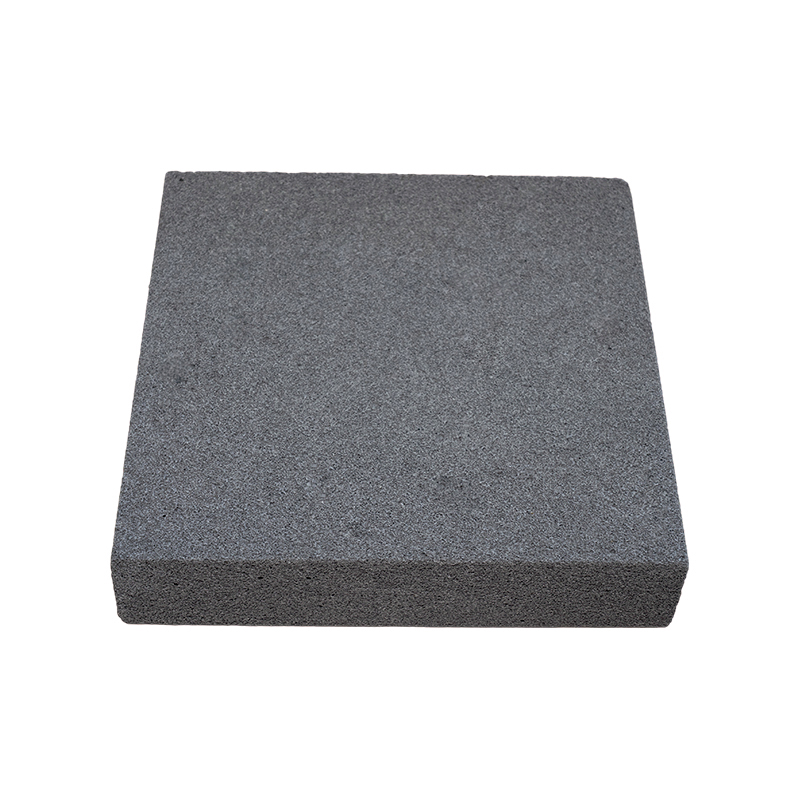

 Quick Link


