
Content
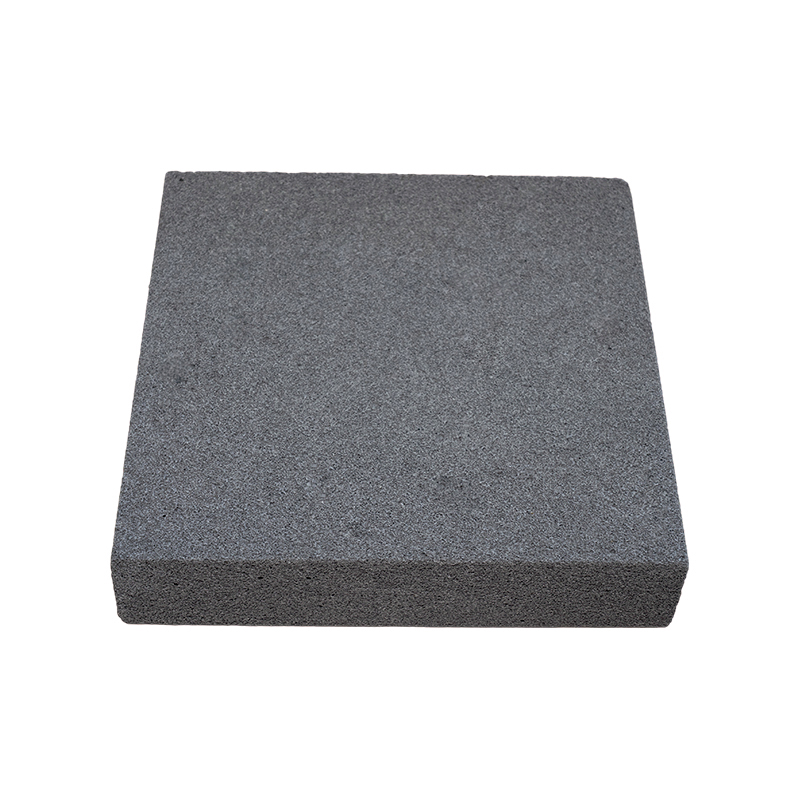
Lightweight foamed calcium silicate flat panels serve a wide range of construction and industrial applications, primarily valued for their exceptional combination of low density, thermal insulation, fire resistance, and structural stability. From interior wall cladding in high-rise buildings to industrial pipe insulation and cleanroom partitions, these panels provide reliable performance where conventional materials fall short. This article explores the major uses of lightweight foamed calcium silicate flat panels and explains why they have become a preferred choice for architects, engineers, and procurement teams worldwide.
One of the most widespread uses of lightweight foamed calcium silicate flat panels is as an interior lining material for walls and ceilings in commercial, institutional, and residential buildings. Their low weight reduces structural load, making them especially practical for renovation projects where adding heavy materials is not feasible.
The smooth, flat surface of these panels accepts paint, tile adhesive, and decorative coatings without additional preparation layers, which simplifies finishing work and reduces overall project timelines. In hospitals, schools, and office buildings, their resistance to moisture and mold growth further extends service life and lowers maintenance costs.
Because calcium silicate panels do not warp or swell when exposed to humidity fluctuations — a common problem with gypsum-based boards — they perform reliably in coastal regions and tropical climates where moisture control is a constant concern.
Lightweight foamed calcium silicate flat panels are widely specified in fire-rated partition assemblies because of their inherent non-combustibility. Calcium silicate is an inorganic material that does not burn, emit toxic gases, or contribute to flame spread, which makes it a core component in passive fire protection strategies.
In high-rise residential towers, hotels, and data centers, fire-rated partitions using calcium silicate panels help contain compartment fires and provide critical evacuation time. Many panels in this category carry third-party fire ratings demonstrating resistance at temperatures above 1,000 °C, meeting the requirements of international building codes such as EN 13501 in Europe and ASTM E136 in North America.
The panels are also used to enclose structural steel columns and beams, protecting them from heat deformation during a fire event — a critical application given that unprotected steel loses significant load-bearing capacity at elevated temperatures.
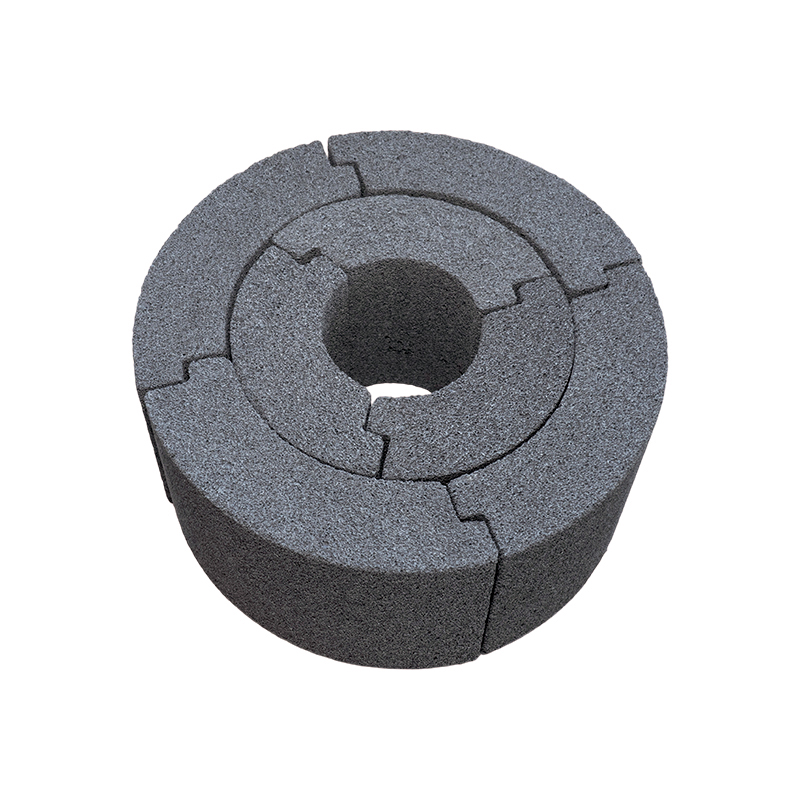
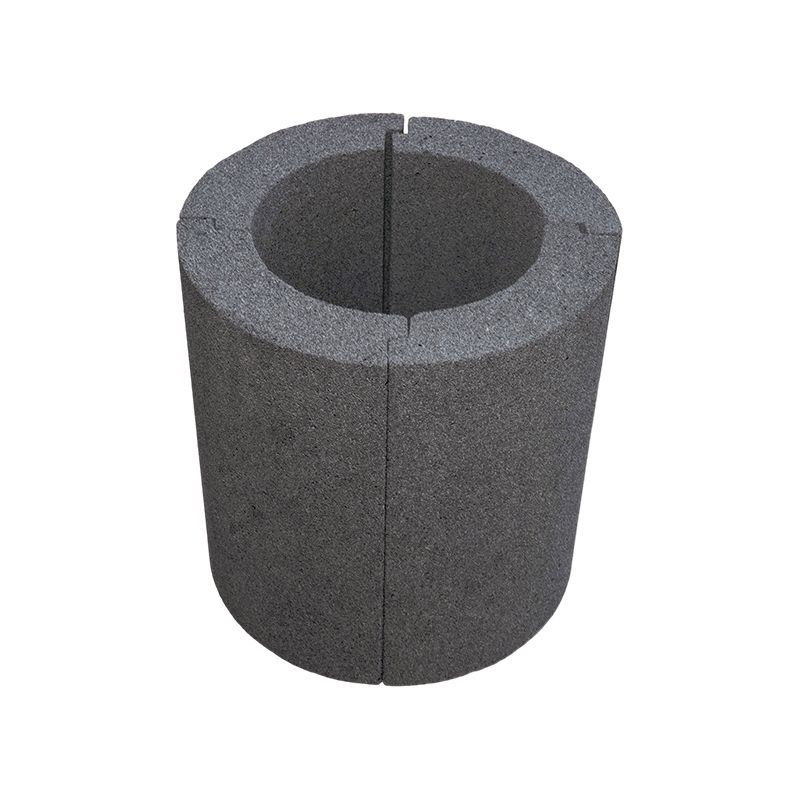
In industrial settings, lightweight foamed calcium silicate flat panels function as high-temperature thermal insulation for furnaces, kilns, boilers, and pipework. Unlike organic insulation materials that degrade or combust at elevated temperatures, calcium silicate panels maintain their insulating properties at continuous service temperatures often exceeding 650 °C.
The foamed microstructure of these panels creates a large volume of enclosed air cells that minimize heat transfer. This translates directly into reduced energy consumption for industrial processes that require sustained high temperatures, such as metal casting, ceramics manufacturing, and chemical processing.
The panels can be cut and shaped on-site with standard woodworking tools, allowing maintenance crews to fit them precisely around irregular pipe geometries and equipment profiles without specialized fabrication equipment.
Cleanrooms used in semiconductor fabrication, pharmaceutical manufacturing, and precision electronics assembly demand wall and ceiling materials that generate minimal particulate contamination and resist chemical cleaning agents. Lightweight foamed calcium silicate flat panels meet these stringent requirements due to their dense, low-porosity surface and inert chemical composition.
When sealed and coated with appropriate epoxy or polyurethane finishes, calcium silicate panels create cleanroom envelope surfaces that are easy to wipe down, do not shed fibers, and tolerate repeated exposure to isopropyl alcohol, hydrogen peroxide vapor, and other sterilization media. These properties make them a practical alternative to more expensive composite metal panels in lower-classification cleanroom zones.
Lightweight foamed calcium silicate flat panels are used as the load-bearing core in raised access floor tiles, particularly in data centers and trading floors. In this application, the panels provide rigidity and fire resistance while keeping individual tile weight low enough for single-person handling during cable management and maintenance work.
Compared to concrete-cored access floor tiles, calcium silicate-cored tiles deliver a favorable strength-to-weight ratio that reduces cumulative load on the structural slab below — an important consideration when retrofitting older buildings with modern raised floor systems.
When manufactured to exterior-grade specifications with enhanced density and sealed edges, lightweight foamed calcium silicate flat panels serve as durable facade cladding and soffit lining materials. Their resistance to freeze-thaw cycling, UV exposure, and wind-driven rain makes them suitable for building envelopes in a wide range of climates.
Exterior calcium silicate cladding systems are typically installed in a rain-screen configuration, where a ventilated air gap behind the panel allows moisture to drain and dry naturally. This approach extends facade service life and reduces the risk of interstitial condensation within the wall assembly.
The panels accept mineral-based exterior paints and texture coatings, offering architects flexibility to achieve a range of aesthetic effects — from smooth contemporary finishes to textured surfaces that mimic stone or concrete — without sacrificing the underlying fire and moisture performance.
The table below summarizes the primary use cases of lightweight foamed calcium silicate flat panels and the key performance properties that make them suitable for each application.
| Application | Key Property Required | Typical End Sector |
|---|---|---|
| Interior wall & ceiling lining | Low weight, moisture resistance | Commercial & residential buildings |
| Fire-rated partitions & steel encasement | Non-combustibility, high fire rating | High-rise, data centers, hotels |
| Industrial thermal insulation | High-temperature stability, low thermal conductivity | Manufacturing, energy, petrochemical |
| Cleanroom walls & ceilings | Low particulate emission, chemical resistance | Semiconductor, pharma, electronics |
| Raised access floor tiles | High strength-to-weight ratio, fire resistance | Data centers, trading floors |
| Exterior facade & soffit cladding | Weather resistance, dimensional stability | Commercial & mixed-use buildings |
Not all lightweight foamed calcium silicate flat panels are interchangeable. Selecting the correct grade depends on the specific demands of the application. The following checklist covers the most important factors procurement teams and project engineers should evaluate before specifying a panel:
Lightweight foamed calcium silicate flat panels earn their place across a broad spectrum of construction and industrial applications because they deliver fire resistance, thermal performance, moisture stability, and workability within a single material. From protecting structural steel in high-rise towers to lining the walls of pharmaceutical cleanrooms and insulating industrial kilns, these panels address performance requirements that few alternative materials can satisfy simultaneously.
For procurement teams sourcing panels for international projects, the key steps are to define application-specific performance requirements clearly, verify third-party certifications, and confirm that dimensional tolerances and surface finishes align with the installation method. Working with an experienced manufacturer that offers application-specific technical guidance will help ensure that the selected panel grade delivers reliable long-term performance on site.
Copyright © Zhejiang Yichuang New Material Technology Co., Ltd. Calcium Silicate Pipe Insulation Manufacturer Fireproof Material Supplier





 English
 عربى
عربى Español
 русский
 Deutsch
 中文简体
中文简体

 English
 عربى
عربى Español
 русский
 Deutsch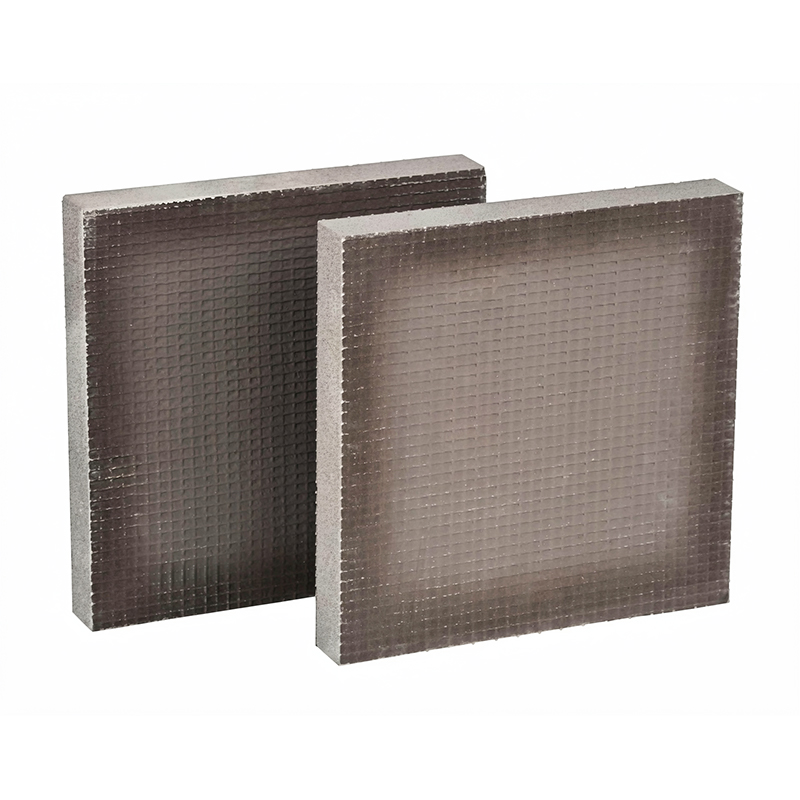

 Quick Link


