
Content
Foamed Calcium Silicate Insulation Material leads new trends in thermal insulation by combining inorganic non-combustibility, ultra-low density (as low as 120 kg/m³), high mechanical strength (compressive strength up to 1.0 MPa), and service temperatures exceeding 600 °C — all in a single, fully recyclable rigid product. Traditional insulation materials such as rock wool, EPS, polyurethane foam, and aerogel each solve part of the thermal insulation problem, but they trade off in one or more critical dimensions: fire resistance, dust release, water absorption, mechanical strength, or environmental impact. Foamed calcium silicate insulation material consolidates these requirements into a single inorganic platform, and that consolidation is exactly what is reshaping specifying behavior across power, petrochemical, district heating, and green building markets in 2025–2026.
This article unpacks the technological, regulatory, and commercial drivers behind that shift — and shows where the foamed calcium silicate insulation material category is heading next.
Specifiers, EPC contractors, and energy auditors are converging on five concrete trends that foamed calcium silicate insulation material is accelerating in the thermal insulation market. These are not marketing claims — they are the practical outcomes that purchasing engineers cite when switching from legacy materials to FCS.
The remainder of this article explains, in technical and commercial terms, why each of these trends is structural — not a short-term fashion.
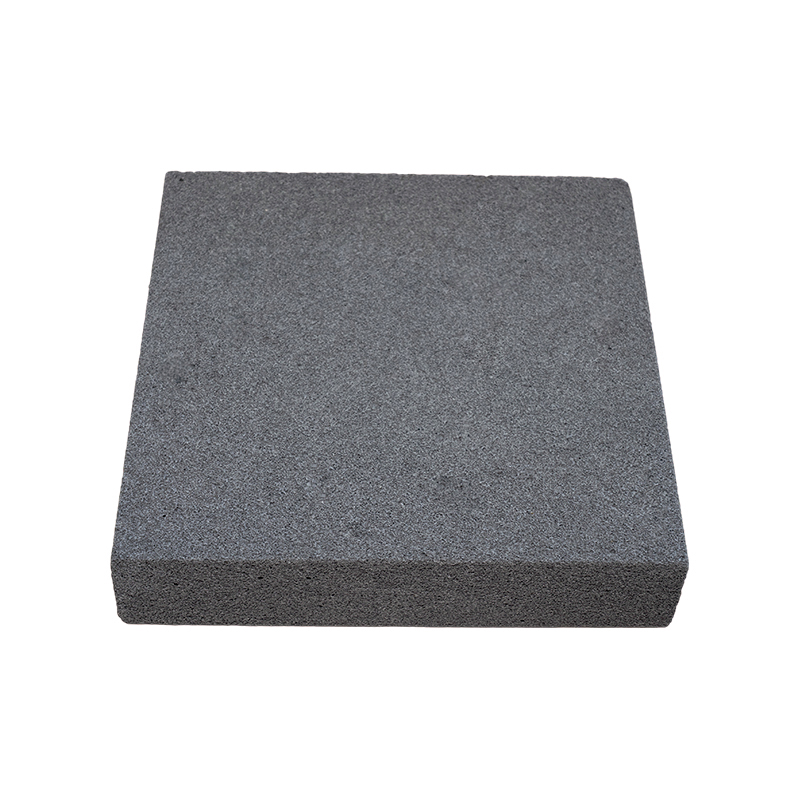
Foamed calcium silicate insulation material is a rigid, inorganic thermal insulation manufactured by reacting siliceous and calcareous raw materials under controlled hydrothermal conditions, then introducing a stable, fine-cell foaming structure before final curing. The result is a hard, lightweight matrix dominated by closed and semi-closed pores, with bulk density typically between 120 and 220 kg/m³ depending on application grade.
Unlike traditional calcium silicate boards — which are dense and used primarily as ceiling, partition, or fire-protection panels — the foamed variant is specifically engineered for thermal performance. Its pore network traps still air, which is the actual insulating medium, while the calcium silicate skeleton provides the load-bearing structure. This combination produces a material that simultaneously delivers low thermal conductivity, high compressive strength, and full incombustibility — a combination organic foams cannot offer.
After a decade of high-profile fire incidents involving combustible facade insulation, regulators across Europe, the Gulf, North America, and East Asia have tightened the rules on what may be installed on tall buildings, industrial process equipment, and energy infrastructure. The shared direction is unmistakable: organic foam insulation is being progressively designed out of high-risk applications, and inorganic, non-combustible alternatives are taking its place.
Foamed calcium silicate insulation material is one of the few materials that meets the strictest fire classification (A1 / Class A non-combustible) while still delivering competitive insulation performance. It does not melt, drip, ignite, or emit toxic smoke. In a real fire event, an FCS-insulated pipe or vessel continues to limit heat transfer to the supporting steel — buying critical evacuation and emergency-response time.
For procurement engineers, this trend translates into a simple specification reality: when a project's risk profile demands A1 fire performance, organic foams are eliminated at the screening stage, and the material decision narrows to mineral wool, glass wool, perlite, aerogel, or foamed calcium silicate — among which FCS offers the most balanced strength-to-conductivity profile.
The traditional approach to insulating elbows, tees, reducers, and tank heads is field cutting: insulators take flat boards or rolls of mineral wool, slice them on site, and assemble them with wire and weatherproof cladding. The method is labor-intensive, leaves seams where heat leaks out, and produces significant scrap.
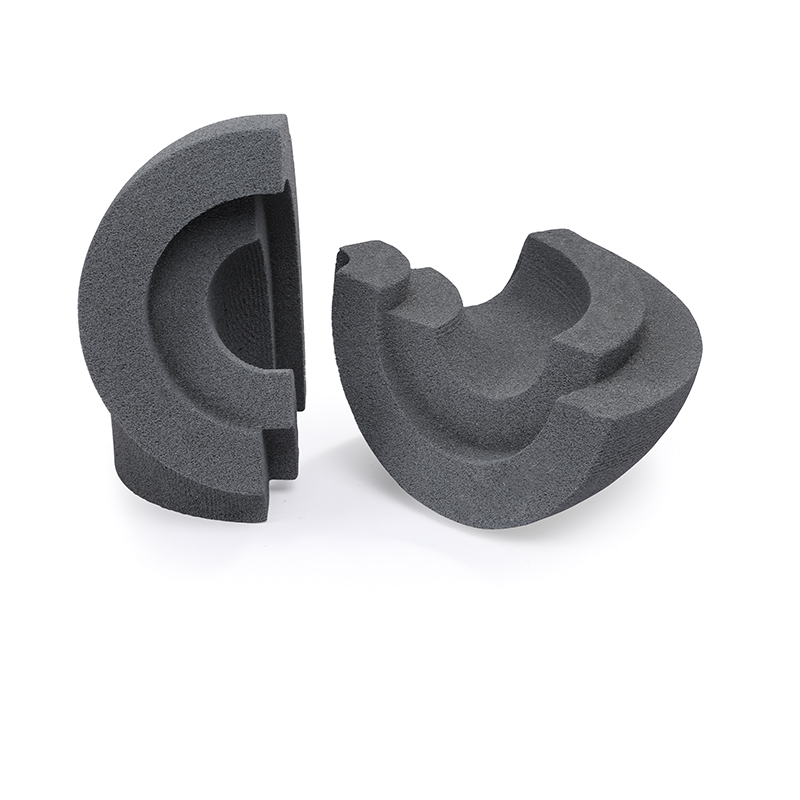
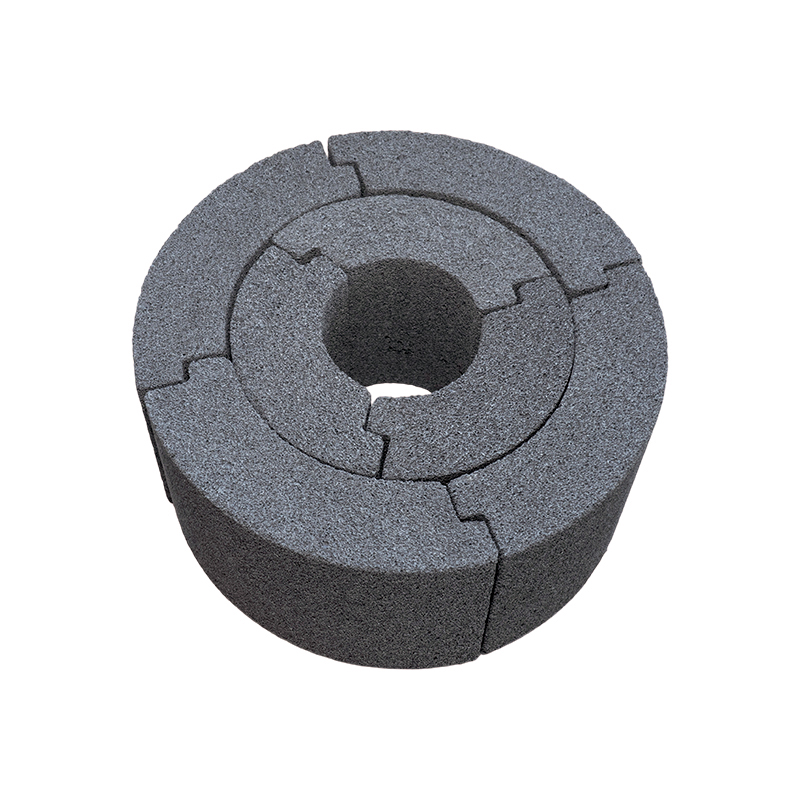
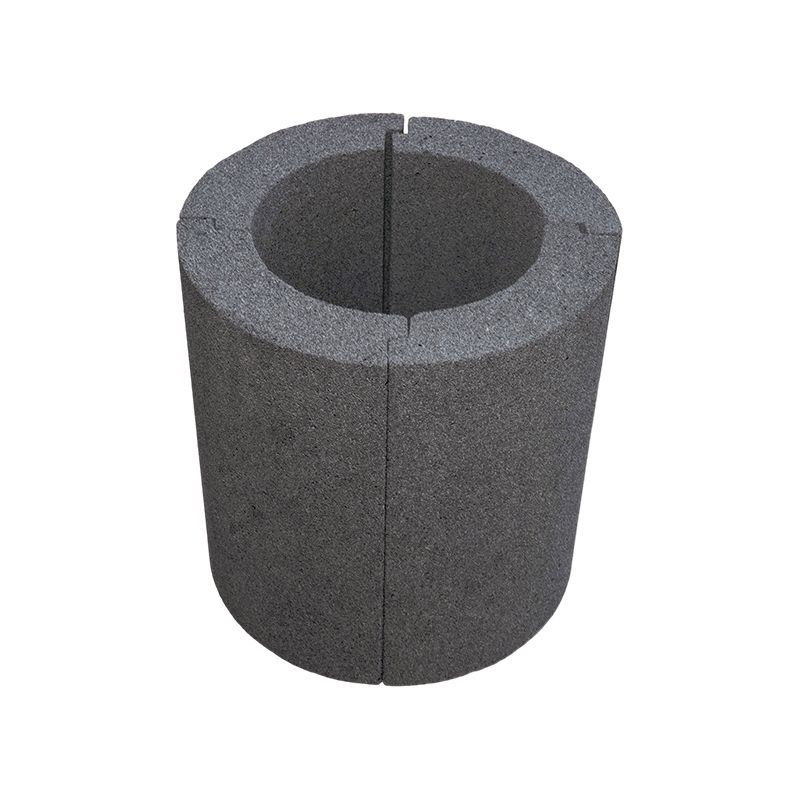
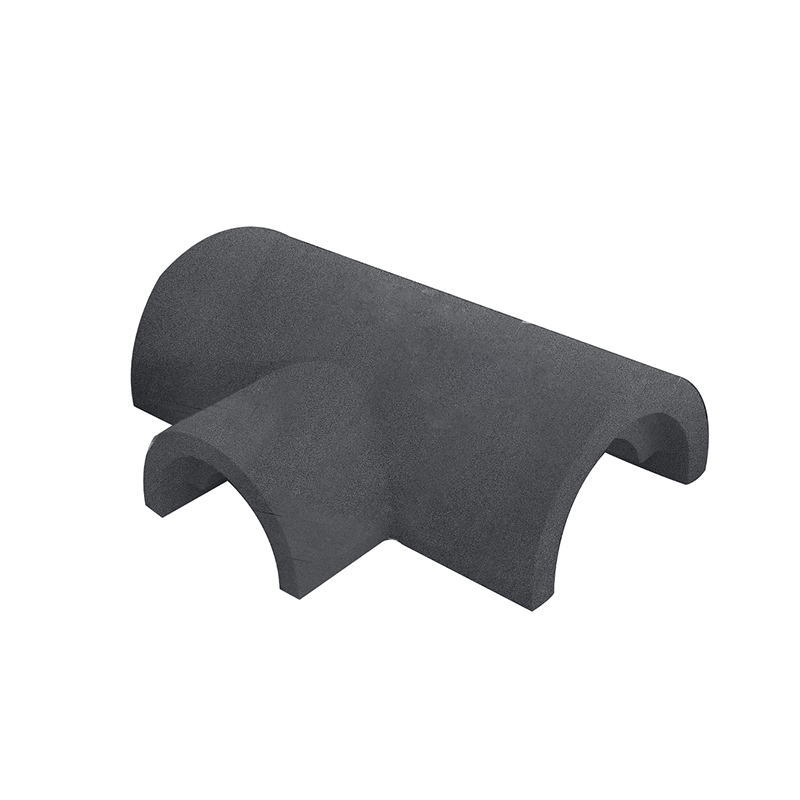
A defining advantage of foamed calcium silicate insulation material is that it can be manufactured as a single integrally molded fitting — pipe sections, 90° elbows, 45° elbows, tee fittings, reducers, and dished heads — all produced to the exact pipe diameter and insulation thickness specified by the project. Manufacturers such as Zhejiang Yichuang produce integrated molding tees and elbows in inner diameters ranging from φ219 mm to φ1,300 mm, with insulation layer thicknesses from 30 mm up to 80 mm.
This is one of the clearest practical reasons foamed calcium silicate insulation material is leading new trends: it transforms thermal insulation from a craft trade into a factory-controlled engineered supply, with measurable benefits on schedule and lifecycle energy performance.
The vast majority of thermal insulation materials in everyday use are limited to service temperatures below 250 °C. Polyurethane foam degrades around 120 °C; EPS softens near 80 °C; even rock wool begins to lose binder integrity above 350 °C without grade upgrades. This temperature ceiling locks these materials out of the most energy-intensive industrial applications.
Foamed calcium silicate insulation material, by contrast, retains its structure and insulating performance at continuous service temperatures exceeding 600 °C — and special grades extend further. That single property unlocks high-value applications:
In these applications, switching from a marginal-performance insulator to foamed calcium silicate insulation material is not a cosmetic upgrade — it directly reduces heat loss, lowers fuel consumption, and shortens the payback period for the insulation system to typically under two heating seasons in district heating networks.
Conventional engineering wisdom holds that lighter insulation is weaker, and stronger insulation is heavier. Foamed calcium silicate insulation material breaks that trade-off. With density as low as 120 kg/m³ — lighter than many plastic foams — and compressive strength reaching 1.0 MPa, FCS allows structural and process engineers to design insulation that is walkable, abuse-tolerant, and mechanically self-supporting, without overloading the supporting steel.
In practical terms, this enables several design changes that simply were not feasible with traditional materials:
Global construction and industrial procurement is increasingly governed by ESG criteria: embodied carbon, recyclability, indoor air quality, and freedom from substances of very high concern (SVHCs). Organic foam insulations face mounting scrutiny in these dimensions — their petrochemical feedstocks, blowing agents, and flame-retardant additives are coming under pressure from both regulators and corporate sustainability commitments.
Foamed calcium silicate insulation material is positioned exactly on the right side of these forces. It is manufactured from abundant mineral raw materials (siliceous sand, lime, and reinforcing fibers), contains no halogenated flame retardants, releases no volatile organic compounds in service, and can be crushed and reintroduced into cementitious building products at end of life. That circular-economy profile is becoming a procurement filter on its own, particularly for LEED, BREEAM, and DGNB-certified projects.
The clearest way to see why FCS is leading new trends is to compare it directly against the materials it is replacing or supplementing across high-temperature and high-safety applications.
| Property | Foamed Calcium Silicate | Rock Wool | Polyurethane Foam | EPS / XPS | Aerogel Blanket |
|---|---|---|---|---|---|
| Max service temperature | > 600 °C | ≤ 650 °C | ≤ 120 °C | ≤ 80 °C | ≤ 650 °C |
| Fire classification | A1 non-combustible | A1 | B–E (combustible) | E (combustible) | A2 |
| Density (kg/m³) | 120–220 | 80–200 | 30–60 | 15–40 | 150–200 |
| Compressive strength | Up to 1.0 MPa | Low–Medium | Medium | Low | Low |
| Integrated molding for fittings | Yes | No | Limited | No | No |
| Asbestos / halogen content | None | None | May contain halogenated FR | May contain HBCD/HFR | None |
| Recyclability at end of life | High | High | Low | Low | Medium |
The pattern in the table makes the trend explicit: foamed calcium silicate insulation material is the only category that simultaneously delivers high-temperature performance, A1 non-combustibility, mechanical strength, near-net-shape manufacturing, and a clean ESG profile. Where any single competing material has a weakness — temperature, fire, strength, or chemistry — FCS does not.
Adoption is not happening uniformly across all sectors. Three vertical markets are leading the migration, and they are the same markets that procurement teams should watch as benchmarks for their own specifications.
District heating grids in China, Northern Europe, Russia, and Central Asia are aggressively replacing aging mineral wool pipe insulation with foamed calcium silicate pre-formed sections. The drivers are reduced heat loss across long transmission distances, lower maintenance frequency, and elimination of saturation-related performance degradation that plagues fibrous insulations buried below grade.
Operators are standardizing on foamed calcium silicate insulation material for reactor jackets, transfer lines, and reformer outlet piping where temperatures exceed the safe envelope of polymeric foams and where insurance underwriters explicitly reward non-combustible material choices. The integrated tee and elbow fittings are particularly valued in revamp projects, where shutdown windows are short and installation speed determines lost-production cost.
Following revisions to fire safety codes in multiple jurisdictions after well-known facade fires, designers of hospitals, schools, transit stations, and high-rise residential buildings are specifying inorganic A1 insulation across all critical thermal layers. Foamed calcium silicate insulation material competes effectively in this segment thanks to its combination of low density and mechanical robustness, which simplifies handling on tall and complex structures.
As the foamed calcium silicate insulation material category grows, the supplier landscape is widening — and so is variability in real-world performance. The following sourcing checklist captures the criteria experienced project engineers use to separate qualified manufacturers from commodity traders.
Manufacturers operating fully automated, Industry 5.0-aligned production lines — such as those producing foamed calcium silicate insulation material at annual capacities of 100,000 cubic meters from purpose-built facilities — are typically able to meet all seven criteria in one supplier engagement, which is the simplest path to specification compliance and on-time delivery.
Foamed calcium silicate insulation material is leading new trends in thermal insulation materials because it resolves a long-standing trade-off that defined the previous generation of products. It delivers high-temperature service, A1 non-combustibility, low density, high mechanical strength, integrated molding, and clean ESG credentials — together, not separately. Every one of those properties addresses a force that is intensifying, not weakening, in the global construction and industrial economy: stricter fire codes, higher process temperatures, faster construction schedules, and harder carbon reporting requirements.
For specifiers, the practical takeaway is to treat foamed calcium silicate insulation material as a default candidate — not an alternative — for any application above 250 °C, any safety-critical installation, and any project where lifecycle energy performance and ESG compliance carry weight. The category will keep gaining share, and the projects that adopt it early will set the cost and performance benchmarks the rest of the market will follow.
Copyright © Zhejiang Yichuang New Material Technology Co., Ltd. Calcium Silicate Pipe Insulation Manufacturer Fireproof Material Supplier





 English
 عربى
عربى Español
 русский
 Deutsch
 中文简体
中文简体

 English
 عربى
عربى Español
 русский
 Deutsch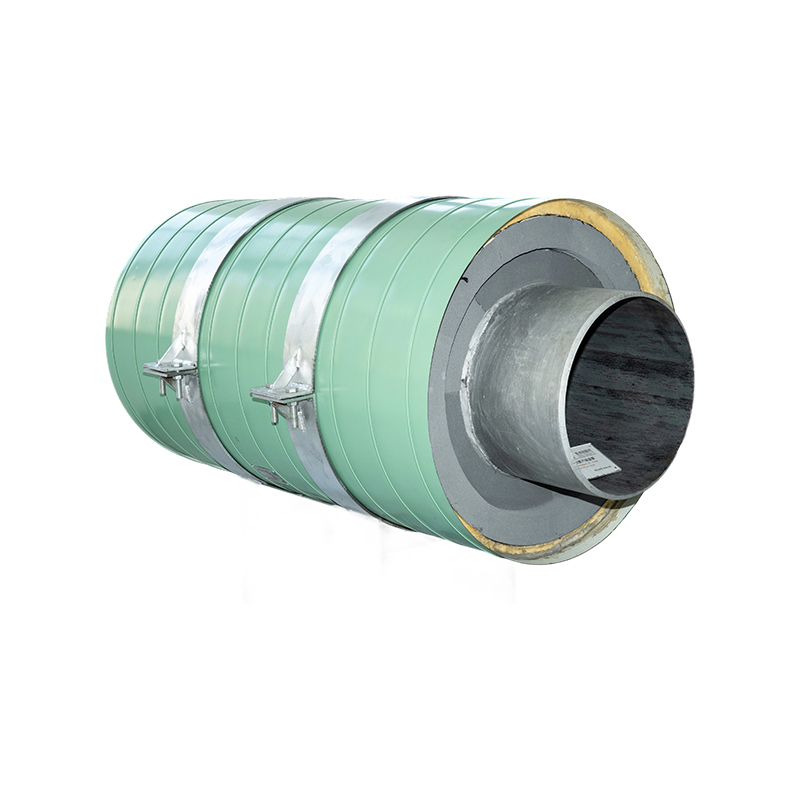

 Quick Link


