
Content
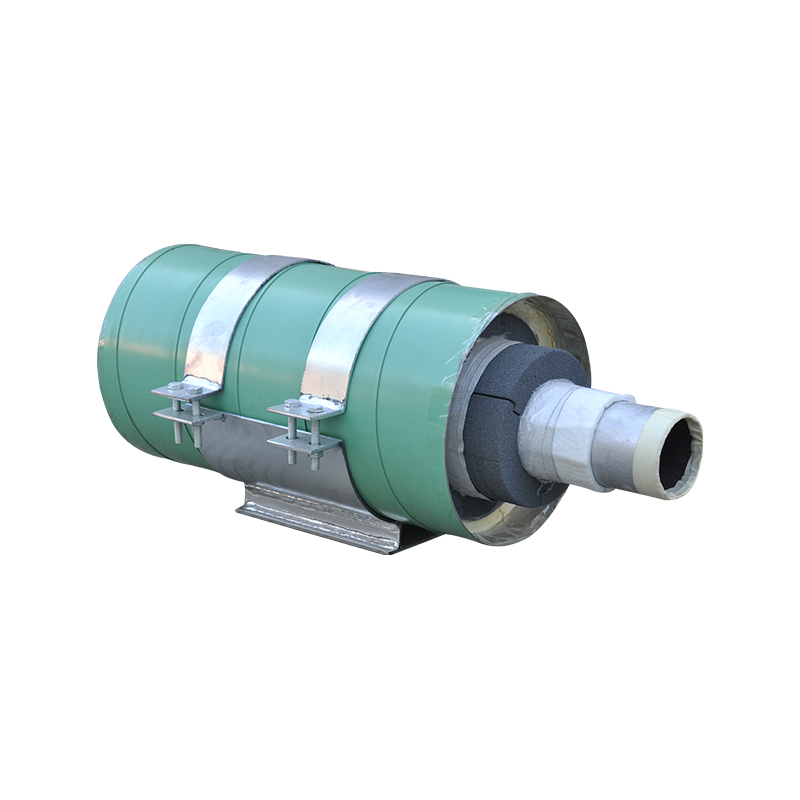
A prefabricated overhead steam pipeline is a factory-assembled piping system designed to transport high-temperature, high-pressure steam through elevated routing — typically suspended from structural frameworks, ceilings, or dedicated pipe racks above ground level. Unlike field-fabricated systems built piece by piece on-site, prefabricated overhead steam pipelines are manufactured in controlled workshop environments, then delivered to the project site as complete, ready-to-install modules or spools. This approach significantly reduces on-site construction time, improves weld quality consistency, and minimizes safety risks associated with hot-work operations in live industrial environments.
These systems are widely adopted across industries including chemical processing, power generation, pharmaceuticals, food and beverage, and district heating networks. Understanding what a prefabricated overhead steam pipeline is — and how it differs from conventional piping — is essential for procurement engineers and project planners seeking to optimize both installation efficiency and long-term operational reliability.
A complete prefabricated overhead steam pipeline system is not simply a length of pipe — it is an engineered assembly of multiple interdependent components, each selected and fabricated to meet specific pressure, temperature, and flow requirements.
The primary components typically included in a prefabricated steam pipeline package are:
All of these elements are fabricated, inspected, and pressure-tested as an integrated system before leaving the manufacturing facility, ensuring that what arrives on-site is a verified, code-compliant assembly rather than a collection of individual parts.
The decision to route a steam pipeline overhead rather than underground or at grade level is driven by both engineering and operational considerations. In industrial plants and process facilities where floor space is at a premium and maintenance access is critical, overhead routing on pipe racks or suspended from structural steelwork offers several distinct advantages.
Accessibility for inspection and maintenance is one of the primary drivers. Steam pipelines operating at elevated temperatures and pressures require periodic inspection of welds, insulation integrity, and support conditions. Overhead routing keeps the entire pipeline visible and accessible to maintenance personnel without excavation or confined-space entry.
Additionally, overhead installation eliminates the risk of ground-level corrosion from soil contact and moisture ingress — a common failure mode for buried steam lines. It also facilitates natural condensate drainage by gravity when the pipeline is designed with the correct slope, reducing the risk of damaging water hammer events caused by accumulated condensate slugs.
For procurement teams evaluating sourcing options, understanding the practical differences between prefabricated and traditional field-fabricated steam pipelines is essential for making the right project decision.
| Criteria | Prefabricated Overhead Pipeline | Field-Fabricated Pipeline |
|---|---|---|
| Weld Quality Control | Consistent, workshop-controlled environment with full NDT documentation | Variable — depends on site conditions and welder qualification |
| On-Site Installation Time | Significantly reduced — modules bolted or flanged together on-site | Longer — all cutting, fitting, and welding performed in the field |
| Pre-delivery Testing | Hydrostatic or pneumatic pressure test completed before shipment | Testing occurs after all field welds are complete |
| Insulation Application | Applied under controlled conditions; uniform thickness and coverage | Applied on-site; susceptible to weather and workmanship variation |
| Design Flexibility | High — custom-engineered to project isometrics and P&IDs | High — adaptable to last-minute site changes |
For projects where schedule pressure, quality assurance documentation, and safety during installation are primary concerns, prefabricated overhead steam pipelines consistently offer a more controlled and verifiable outcome than equivalent field-built systems.
Prefabricated overhead steam pipelines serve a broad range of industrial applications where steam is required as a process medium, heating source, or energy carrier. Common deployment scenarios include:
In each of these contexts, the overhead configuration combined with factory prefabrication delivers a repeatable, auditable installation standard that supports both regulatory compliance and long-term operational efficiency.
When specifying a prefabricated overhead steam pipeline for a project, procurement engineers and project managers should align with the manufacturer on the following critical design parameters from the outset:
Steam pipelines are classified by design pressure and temperature — commonly ranging from low-pressure saturated steam systems below 15 psig to high-pressure superheated steam lines exceeding 600 psig and 400°C. Material selection, wall thickness, and weld procedure all depend on this classification, and must be confirmed before fabrication begins.
Prefabricated steam pipelines must be manufactured in accordance with recognized international standards. Commonly referenced codes include ASME B31.1 (Power Piping), ASME B31.3 (Process Piping), EN 13480 (European Industrial Piping), and local regulatory requirements. Buyers should confirm which code edition governs their project and request full material traceability and weld inspection records (radiography, ultrasonic testing, or PWHT reports as applicable).
Steam pipelines experience significant dimensional change between cold installation and hot operating conditions. For example, a 100-meter carbon steel pipeline operating at 300°C will expand approximately 350 mm from its cold installation length. Expansion loops, guided supports, and anchor points must be engineered into the prefabricated design to absorb this movement without imposing unacceptable loads on connected equipment nozzles or structural steelwork.
Selecting the right fabrication partner is as important as the technical specification itself. A capable supplier of prefabricated overhead steam pipelines should be able to demonstrate the following:
Experienced manufacturers with a track record in pressure piping fabrication bring not only technical capability but also the project management discipline to meet delivery schedules that align with critical path milestones on complex industrial projects.
A prefabricated overhead steam pipeline is a factory-engineered, pre-tested piping system that combines elevated routing with the quality and schedule advantages of off-site fabrication. It is the preferred solution for projects that demand consistent weld quality, compressed installation timelines, and full documentation traceability — particularly in regulated or high-pressure process environments.
For buyers and project teams evaluating options, the key action steps are: confirm your pressure and temperature classification early, align on the applicable piping code, and engage a fabrication supplier with demonstrated NDT and pressure testing capability. Requesting a detailed fabrication data book — including material certificates, weld maps, NDT reports, and hydrostatic test records — as a contractual deliverable will protect your project's quality baseline from the start.
Whether you are planning a new greenfield facility, a capacity expansion, or a plant revamp, prefabricated overhead steam pipelines offer a proven path to faster, safer, and more reliable steam system installation.
Copyright © Zhejiang Yichuang New Material Technology Co., Ltd. Calcium Silicate Pipe Insulation Manufacturer Fireproof Material Supplier





 English
 عربى
عربى Español
 русский
 Deutsch
 中文简体
中文简体

 English
 عربى
عربى Español
 русский
 Deutsch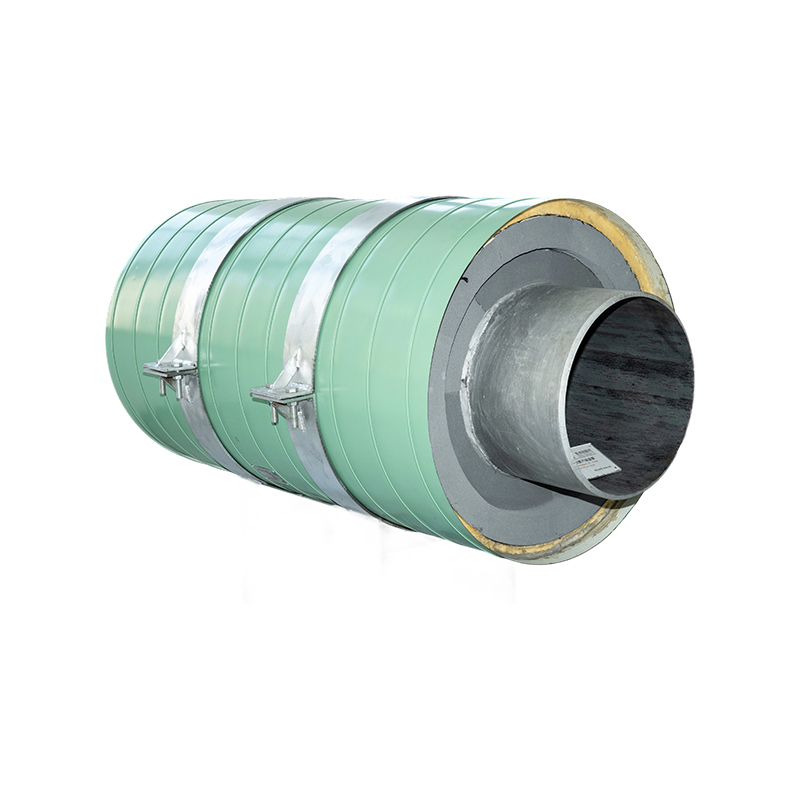

 Quick Link


