
According to the official announcement of Document No. [2024]17 issued by China Insulation Association, the "Calcium Silicate Hydrate Foam Insulation Products" standard (numbered T/CIEEMA 010-2024) has been approved and will be officially implemented on June 1, 2024.
The implementation of this standard indicates that foamed calcium silicate insulation materials, as a cutting-edge material, have been officially recognized by the China Insulation and Energy-Saving Materials Association, thus establishing its technical status in the industry. At the same time, this standard will also become an important technical basis for third-party organizations to conduct certification or inspection, providing strong support for the standardized development of the industry.
Group standards often contain more stringent technical requirements than basic or mandatory national standards, and may be in line with international advanced standards. The implementation of the "Calcium Silicate Hydrate Foam Insulation Products" standard will help promote technological innovation and application, promote the sustainable development and progress of the industry, and inject new vitality into the healthy development of my country's insulation and energy-saving materials industry.
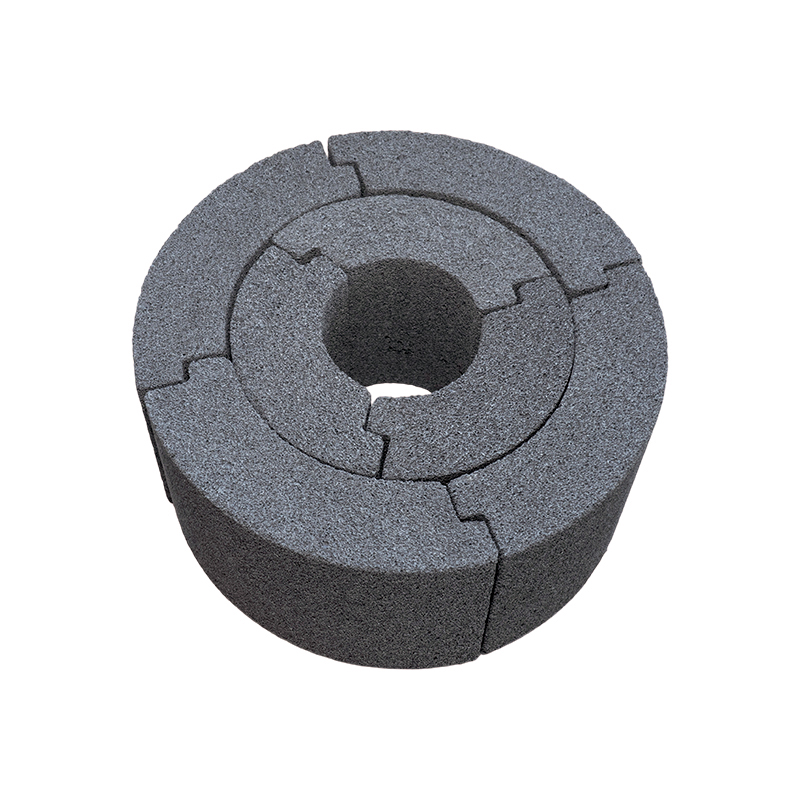
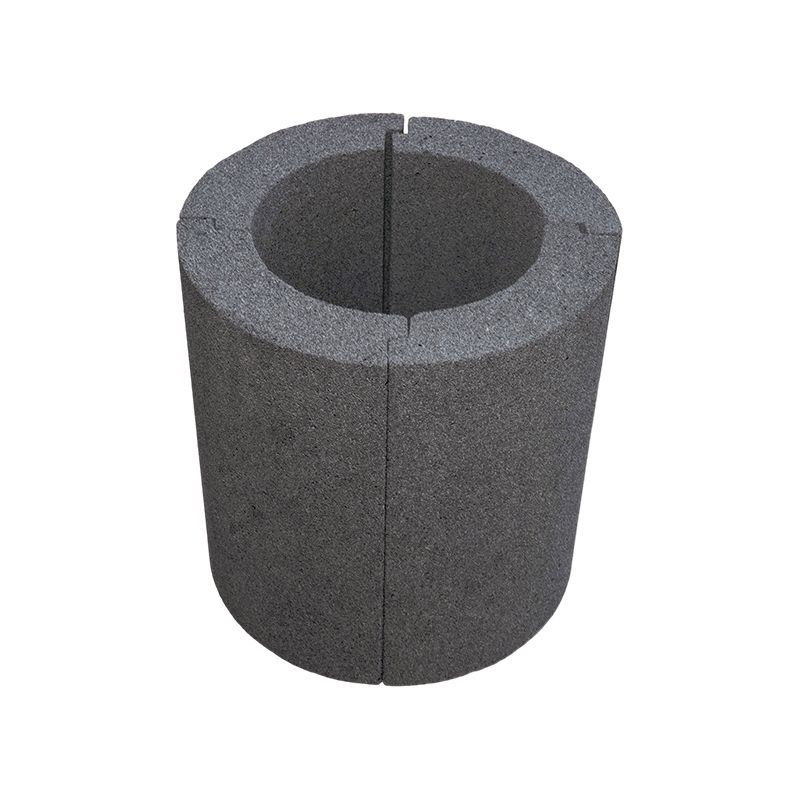
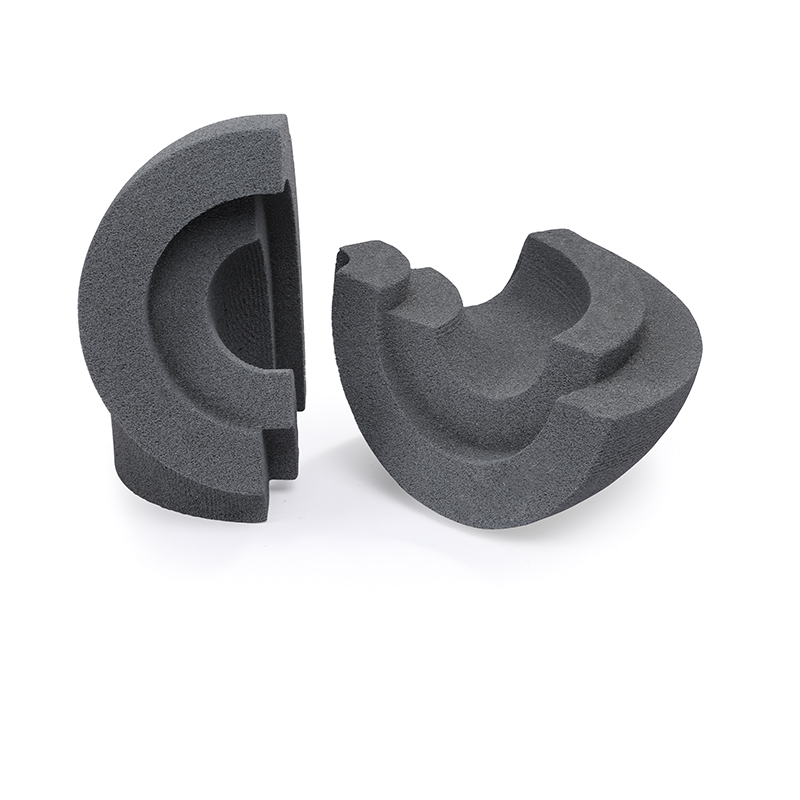
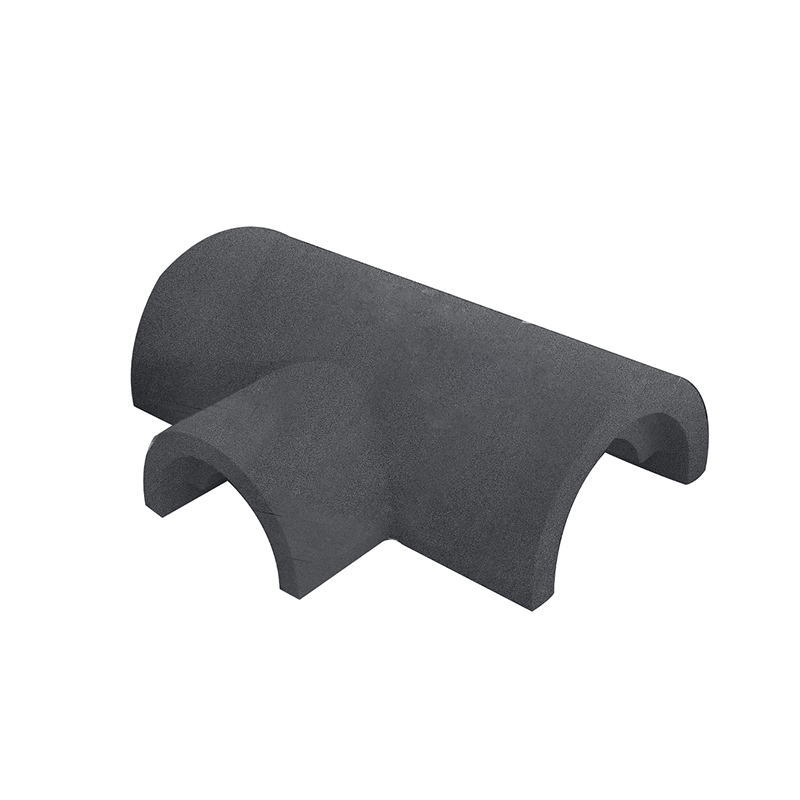
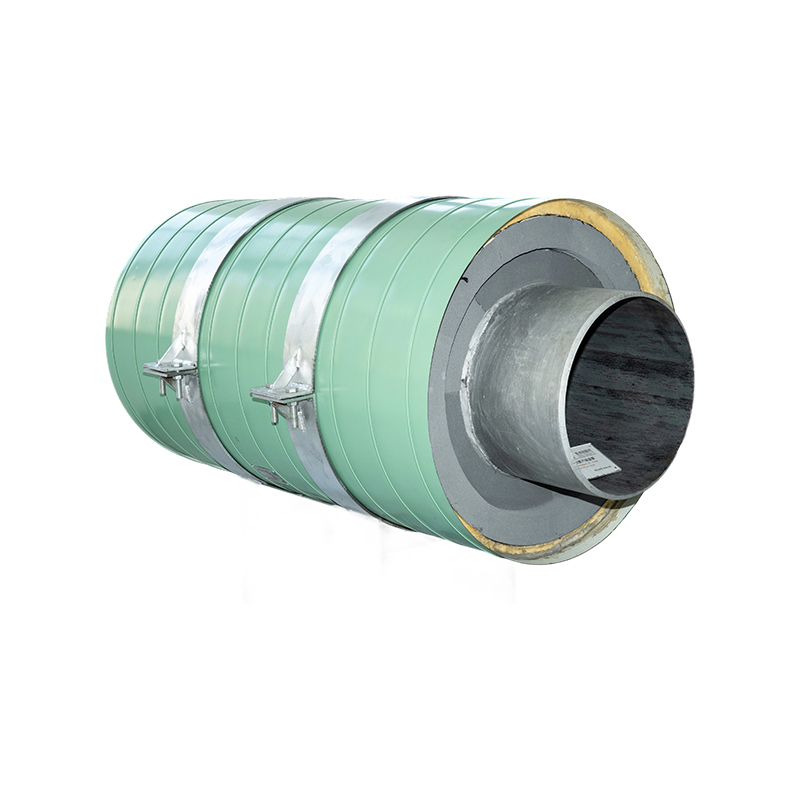
Foamed calcium silicate, the product patent name is nano multi-level porous silicon-based thermal insulation material, which is a new type of hard silicon-based thermal insulation material jointly developed by Ningbo Wanli Pipeline Co., Ltd., Zhejiang Yixin Innovation Materials Technology Co., Ltd. and Shanghai Institute of Ceramics, Chinese Academy of Sciences. Since it was launched on the market in 2022, the product has undergone several optimization and upgrades, its performance has gradually stabilized, its quality has become more and more perfect, and it has been well received by customers. At present, foamed calcium silicate has become one of the very few hard insulation materials on the market suitable for high-temperature steam heating network pipelines. Its unique performance and wide range of applications are gradually breaking the market pattern of traditional thermal insulation materials. Not only does it perform well in the field of high-temperature steam heating network pipelines, it will also show strong application potential in many fields in the future.
Copyright © Zhejiang Yichuang New Material Technology Co., Ltd. Calcium Silicate Pipe Insulation Manufacturer Fireproof Material Supplier





 English
 عربى
عربى Español
 русский
 Deutsch
 中文简体
中文简体

 English
 عربى
عربى Español
 русский
 Deutsch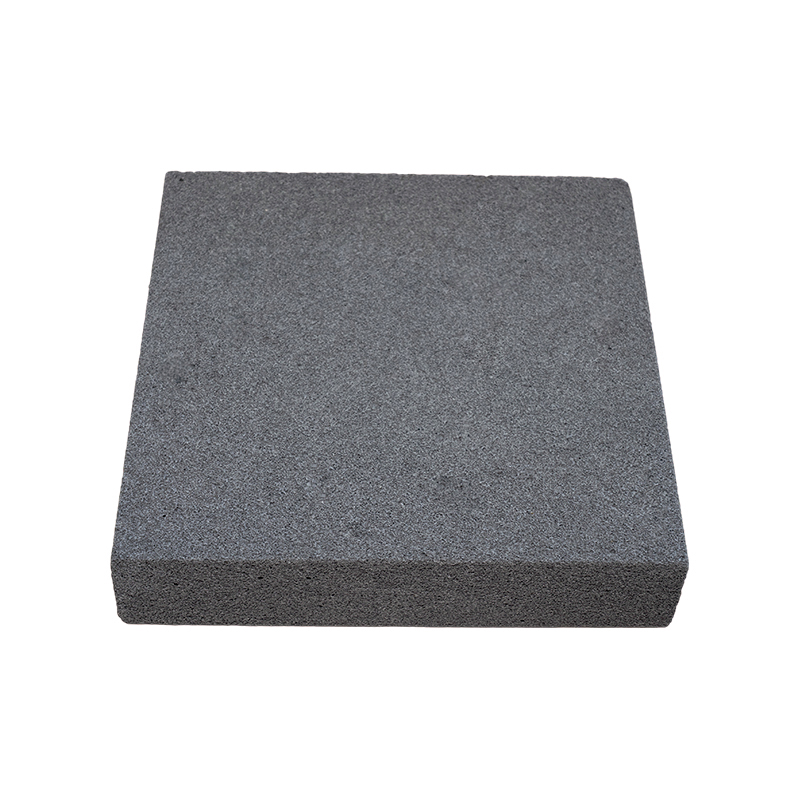

 Quick Link


