
Content
The fire resistance performance of Rigid Calcium Silicate Pipe Insulation is defined by its non-combustible classification (typically ASTM E136 or EN 13501-1 Class A1), its ability to withstand continuous operating temperatures up to 650°C (1200°F) to 1000°C (1832°F) without structural degradation, and its capacity to act as a passive fire barrier. This means the material does not ignite, does not contribute to fire spread, and maintains its insulating integrity under extreme thermal conditions, effectively protecting the underlying pipe system.
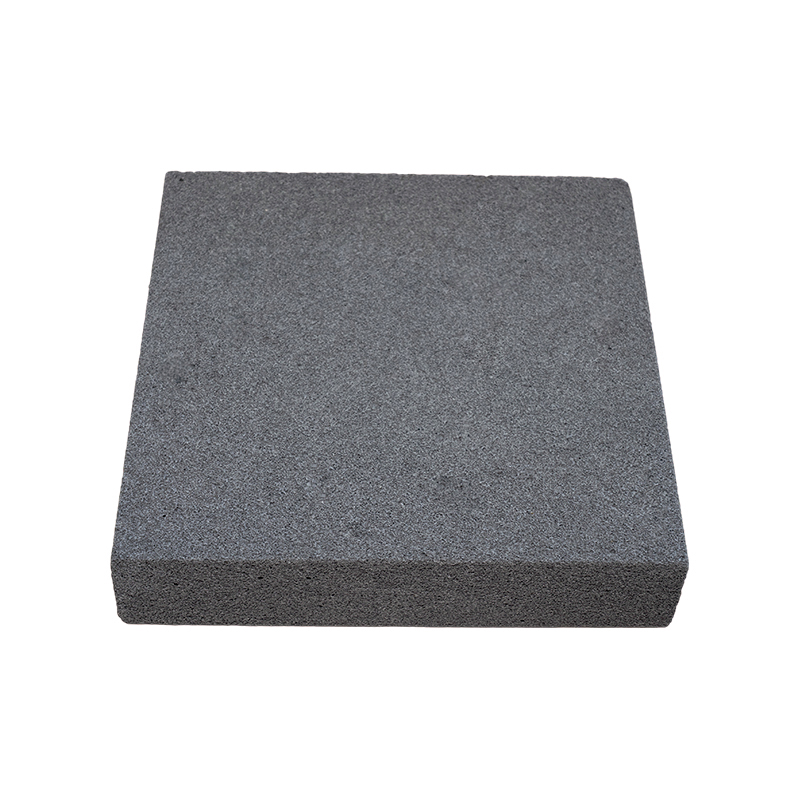
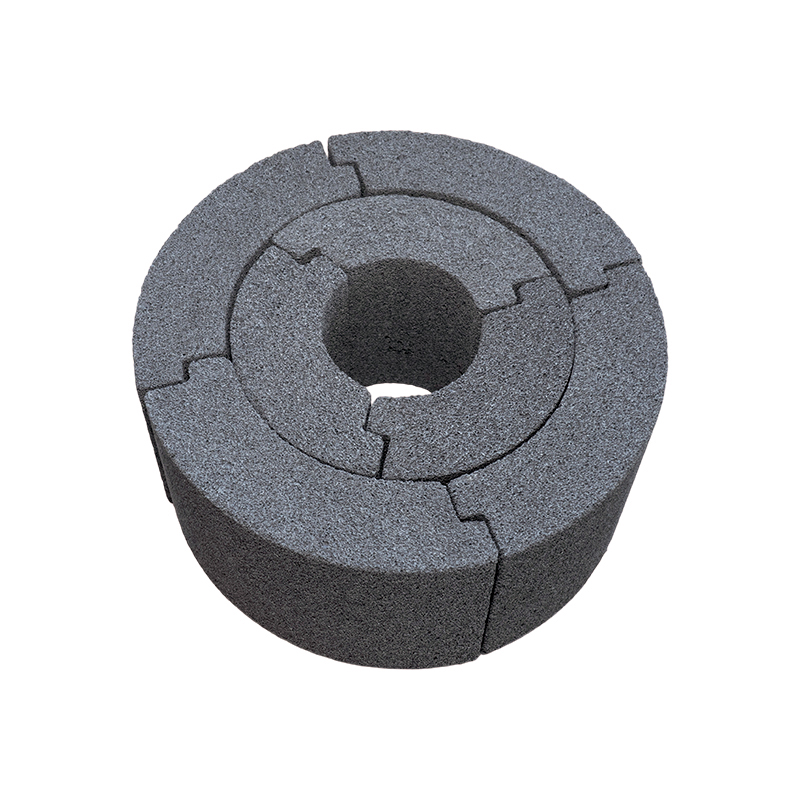
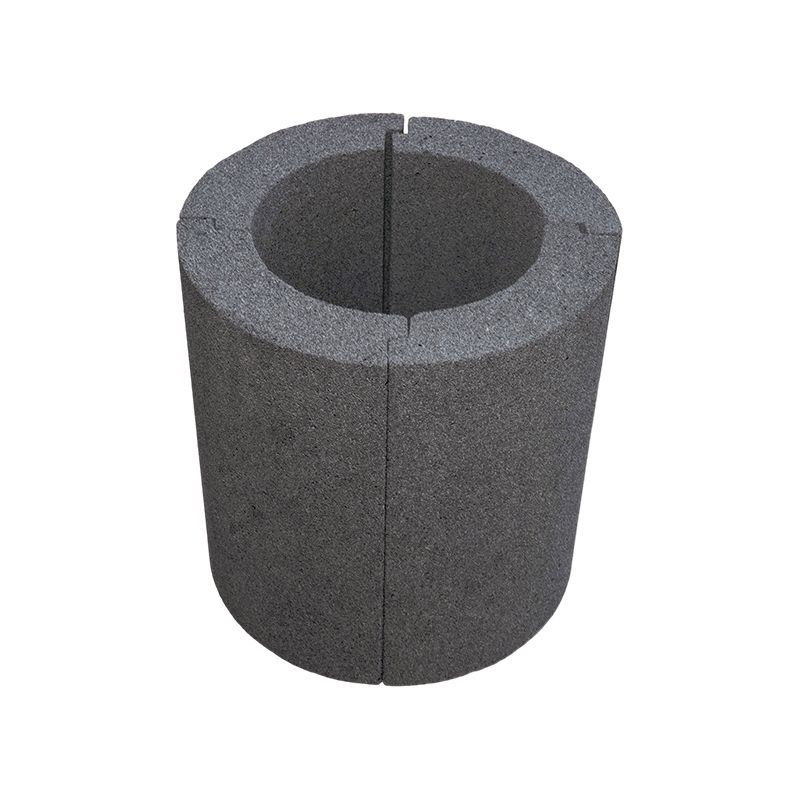
Rigid calcium silicate insulation is an inorganic material, primarily composed of hydrated calcium silicate, reinforced with fibers. Its inherent fire resistance is not a coating or additive but a fundamental property of its chemical structure. Unlike organic insulations that decompose and burn, calcium silicate undergoes a process of endothermic dehydration when exposed to fire, absorbing significant heat energy and delaying temperature rise. This intrinsic characteristic makes it the preferred choice for high-temperature industrial piping, power generation, and petrochemical facilities where fire safety is paramount.
To quantitatively define its fire performance, rigid calcium silicate pipe insulation is subjected to rigorous international testing. The results are categorized into clear performance classes:
For specialized applications, advanced formulations from manufacturers like Zhejiang Yichuang New Material Technology Co., Ltd. have been developed to push these limits further, offering stability at 1000°C while maintaining low thermal conductivity.
To move beyond generic claims, the fire resistance performance is best understood through specific, quantifiable metrics. The table below summarizes the key data points that define the material's behavior under fire conditions.
| Performance Parameter | Standard / Value | Engineering Significance |
|---|---|---|
| Maximum Service Temperature | 650°C - 1000°C | Maintains structural integrity and insulation value up to these temperatures. |
| Linear Shrinkage (after 24h at 650°C) | ≤ 2% per ASTM C533 | Prevents gap formation which would compromise the fire barrier and increase heat transfer. |
| Combustibility Classification | Non-Combustible (ASTM E136) / A1 (EN 13501-1) | Zero contribution to fire load; does not produce flaming droplets or toxic smoke. |
| Thermal Conductivity at 300°C | ~0.08 W/m·K | Low thermal conductivity ensures continued energy efficiency even during fire exposure. |
This data confirms that the material's fire resistance is not a binary property (combustible vs. non-combustible) but a sophisticated combination of thermal stability, dimensional stability, and thermal conductivity control under extreme duress.
The defined fire resistance characteristics translate into critical practical benefits for industrial and construction applications. By leveraging expertise from collaborations, such as the one between Zhejiang Yichuang New Material Technology Co., Ltd. and the Shanghai Institute of Ceramics, Chinese Academy of Sciences, modern rigid calcium silicate products now combine superior fire performance with other essential properties.
In oil & gas refineries and chemical plants, a pipe failure during a fire can lead to catastrophic escalation. Rigid calcium silicate insulation acts as a PFP system, providing a critical time window—often 60 to 120 minutes—for emergency shutdown and evacuation before the pipe substrate reaches its critical temperature. Its non-combustible nature ensures it does not become a secondary fuel source.
Unlike mineral wool that can melt or fiberglass that sinters, high-density rigid calcium silicate maintains its shape and compressive strength. The foamed calcium silicate insulation developed by advanced manufacturers offers high strength with low density, meaning it can withstand physical impacts and vibration even in a fire scenario, ensuring the insulation system remains intact to protect the pipe.
A common misconception is that fire-resistant materials are porous and susceptible to water damage, which can degrade performance. However, modern products, particularly foamed calcium silicate, exhibit strong water resistance. This ensures that the insulation's fire-resistant properties are not compromised by environmental moisture, condensation, or deluge systems activated during a fire event.
This section addresses common technical inquiries regarding the fire resistance of rigid calcium silicate pipe insulation, providing clear, actionable answers for engineers and specifiers.
No. As an inorganic material, it contains no organic binders that would generate significant smoke or toxic gases. In a fire, it releases only water vapor (from its chemical structure) and remains inert. This is a critical safety advantage over organic-based insulations that can produce dense, toxic smoke, hampering evacuation and firefighting efforts.
Yes, specific high-density grades (typically >240 kg/m³) are engineered to withstand the erosive and thermal shock of jet fires (hydrocarbon fires with high heat flux). These are commonly specified in offshore platforms and onshore process plants where such hazards exist. Standard grades offer robust pool fire resistance, while specialized variants provide jet fire protection.
The following comparison clarifies its superior standing:
No, the fire resistance of rigid calcium silicate is permanent. It does not "age out" or degrade due to thermal cycling or environmental exposure, provided it is not physically damaged. With over 30 years of industry expertise backing products from manufacturers like Zhejiang Yichuang New Material Technology Co., Ltd., the material offers a service life that often matches that of the industrial facility itself.
The fire resistance performance of Rigid Calcium Silicate Pipe Insulation is not a marketing claim but a precisely defined, test-verified set of properties. Defined by its non-combustible A1 classification, minimal shrinkage (<2% at 650°C), and high thermal stability up to 1000°C, it serves as a foundational material for passive fire protection and high-temperature insulation. For engineers seeking a solution that combines fire safety with strength, water resistance, and cost-efficiency—particularly in demanding sectors like thermal pipelines and energy-efficient industrial plants—rigid calcium silicate, especially advanced foamed variants, represents a proven, reliable, and long-term investment in asset integrity and personnel safety.
Copyright © Zhejiang Yichuang New Material Technology Co., Ltd. Calcium Silicate Pipe Insulation Manufacturer Fireproof Material Supplier





 English
 عربى
عربى Español
 русский
 Deutsch
 中文简体
中文简体

 English
 عربى
عربى Español
 русский
 Deutsch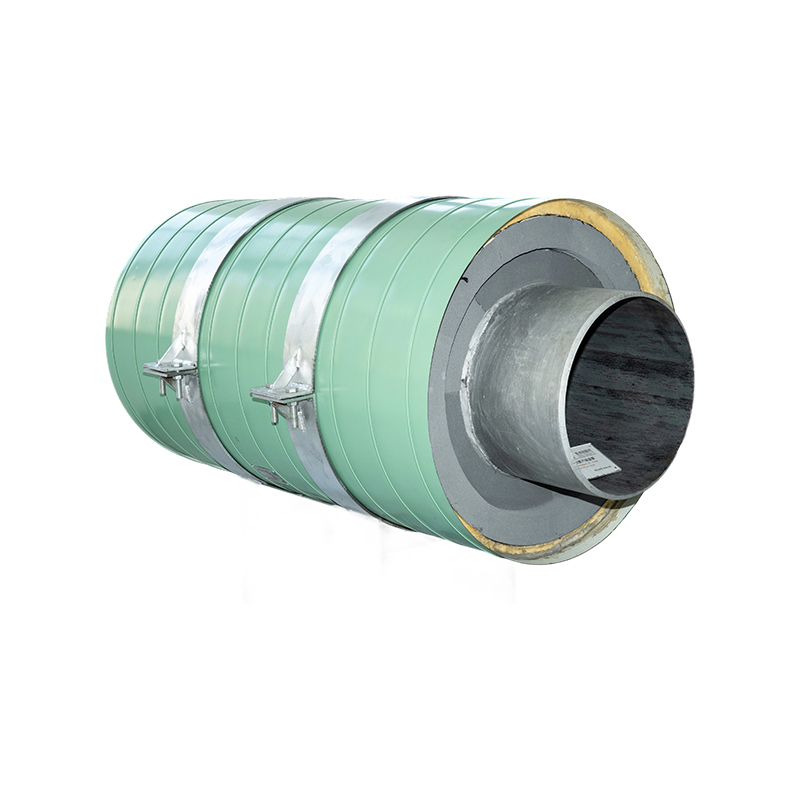

 Quick Link


