
Content
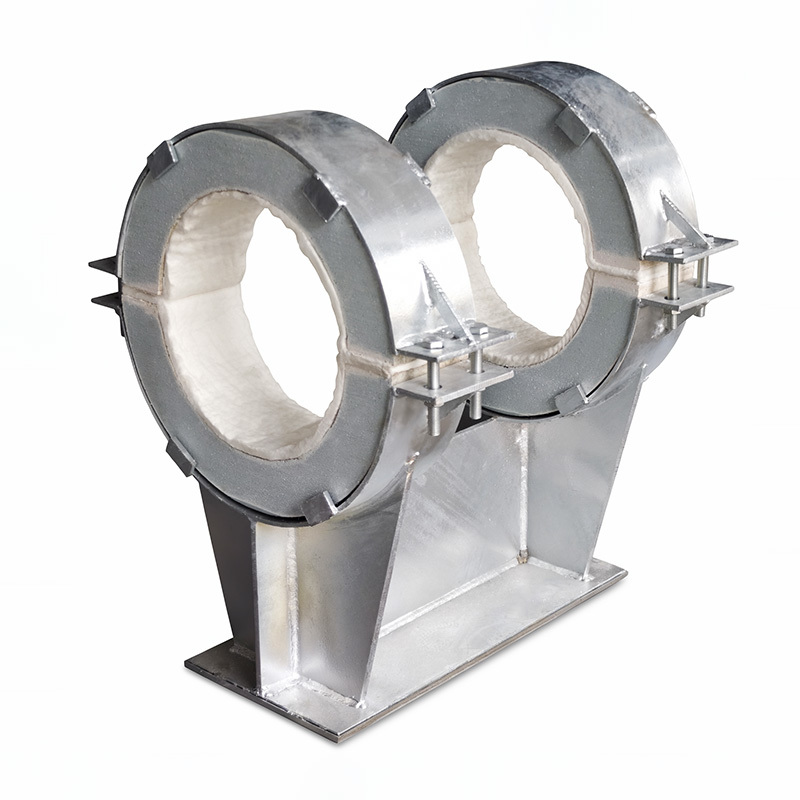
A pipe bracket is a mechanical support device designed to secure, suspend, or anchor piping systems to structures such as walls, ceilings, floors, or frames. These brackets serve as the fundamental infrastructure that prevents pipe sagging, misalignment, and structural failure while accommodating thermal expansion, vibration, and dynamic loads. According to industry definitions, pipe brackets function as the primary support mechanism for suspended pipes—whether horizontal overhead or vertical adjacent to surfaces—ensuring all pipes remain fixed securely while allowing necessary movement .
Pipe brackets perform several critical functions in piping systems:
| Bracket Type | Best For | Key Features |
|---|---|---|
| Standard Pipe Clamps | Metal or plastic pipes, general applications | Two-screw or single-screw quick-locking systems, lined or unlined options |
| U-Bolts & Saddle Clamps | Large diameter steel and copper pipes | Traditional design, no internal lining, basic anchoring |
| High-pressure systems, industrial applications | Reinforced construction, higher load ratings, shock-absorbing features | |
| Adjustable Brackets | Retrofitting, non-standard installations | Fine-tuning capability for position and angle adjustments |
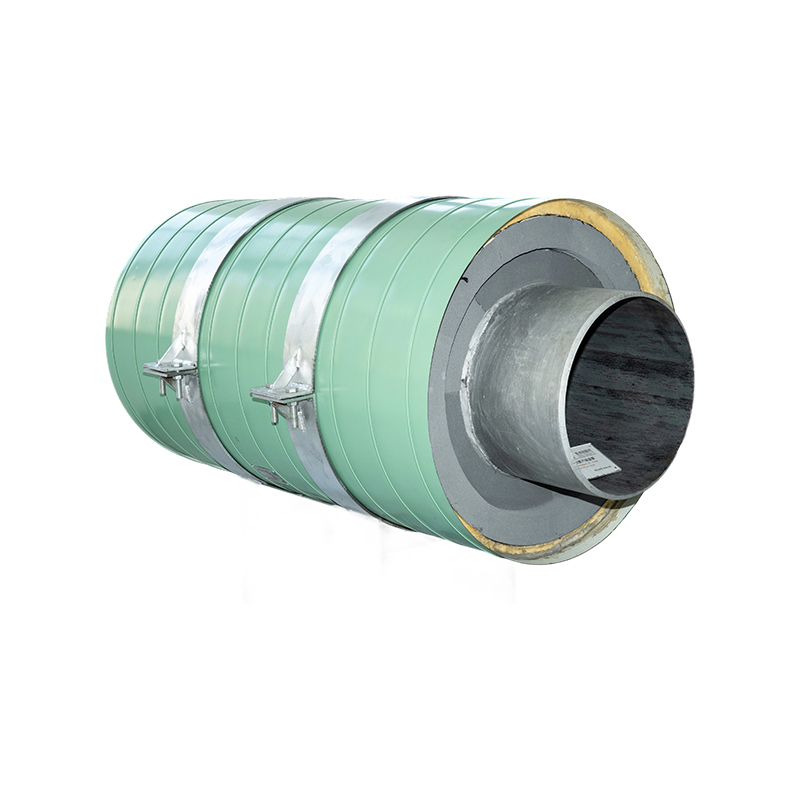
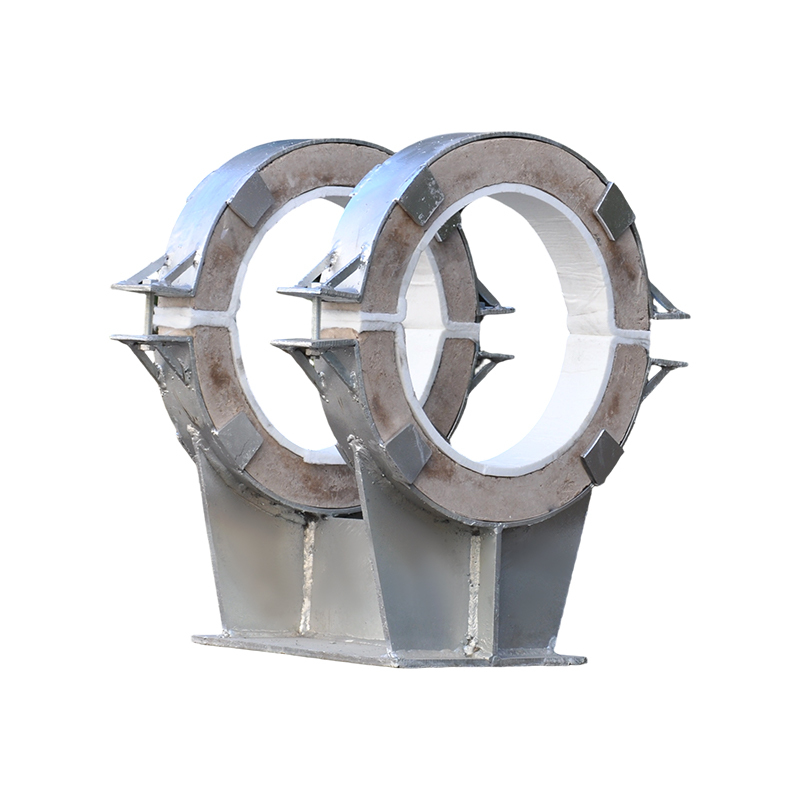
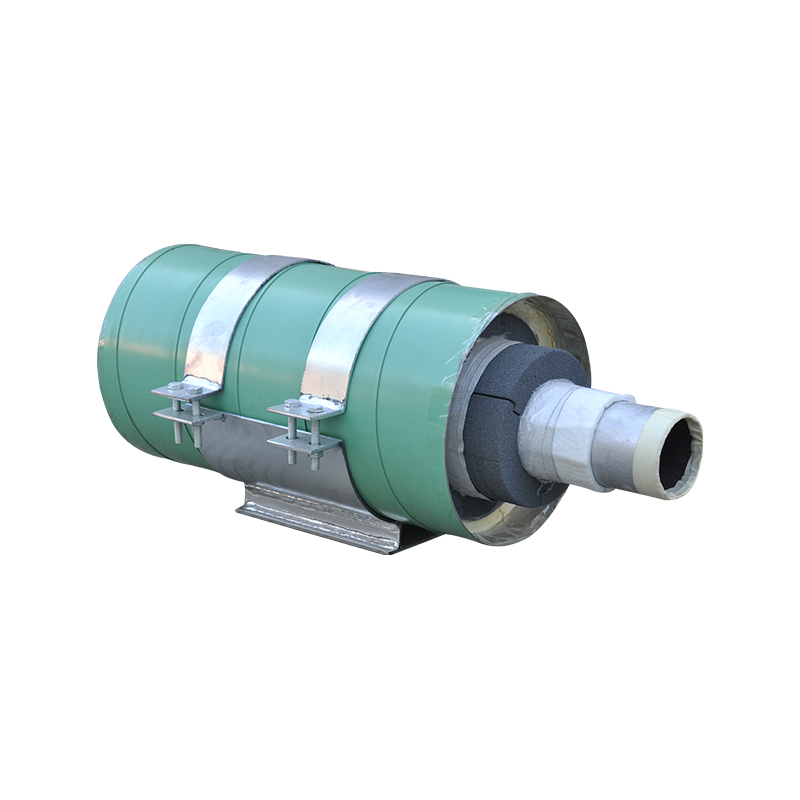
| Insulated Brackets | Thermal insulation systems | Polyurethane or phenolic foam lining, minimizes thermal bridging |
Proper installation of pipe brackets follows a systematic seven-step process to ensure structural integrity and long-term performance. Following manufacturer guidelines and torque specifications is essential to avoid over-tightening or uneven load distribution .
Before installation, gather all necessary tools and materials including the pipe bracket, appropriate fasteners (bolts, nuts, washers), wrenches or socket sets, measuring tape, and a level. Review design drawings to accurately determine installation positions and check for studs or support beams that can provide additional stability .
Clean the mounting surface thoroughly to remove dirt, debris, rust, or coatings that could interfere with installation or cause corrosion over time. Mark the installation location using a pencil or marker, measuring and double-checking placement to ensure proper positioning .
Place the bracket over the marked location and align it with mounting holes. Ensure all holes are properly aligned. Use a helper to hold the bracket in place while inserting fasteners, or use temporary supports to maintain position during installation .
Insert fasteners through the bracket holes into the mounting surface. Pre-drill pilot holes if necessary—these should be slightly smaller than the screw body for a secure hold. Tighten fasteners evenly to apply uniform pressure and prevent bracket distortion .
Use a torque wrench to ensure fasteners are tightened to manufacturer-recommended specifications. Over-tightening can damage fasteners or the bracket, while under-tightening leads to instability. Check that the bracket is level using a carpenter's square to ensure it's at a right angle to the mounting surface .
Once the bracket is securely installed, place pipes into the bracket ensuring they are properly seated. Engage any locking mechanisms to hold pipes in place. For multiple bracket installations, space them evenly along the pipe length to distribute weight and prevent sagging .
Test the installation by running fluid through the system and checking for leaks or drips. Verify pipe stability—pipes should be secure without excessive movement or vibration. Make necessary adjustments to ensure safety and performance .
Successful pipe bracket installation requires attention to several critical factors that affect system safety, longevity, and performance. Pre-installation inspection should include checking pipe size, material, surface smoothness, bracket material quality, dimensional accuracy, and welding quality .
The bracket must support the total load including pipe weight, fluid contents, insulation, and dynamic forces from vibration or thermal expansion. Industry standards recommend selecting brackets rated for at least 20-30% more than the maximum expected load, with many applications requiring a safety factor of 1.5x to 2x . Underestimating load requirements can lead to sagging, misalignment, or catastrophic failure .
Match bracket materials to both the pipe material and environmental conditions:
Follow industry standards such as the International Plumbing Code (IPC) or local building codes for maximum spacing between brackets based on pipe size and fluid type. Proper spacing prevents sagging and ensures even load distribution .
Consider the installation environment carefully. Outdoor applications require brackets resistant to UV radiation, moisture, and temperature fluctuations. Marine or chemical environments demand stainless steel or specialized coatings. For insulated pipes, select brackets large enough to accommodate both pipe and insulation thickness .
Pipes expand and contract with temperature changes. Install brackets that allow controlled movement—either through roller supports, expansion joints, or guided installations that permit axial movement while restricting lateral displacement .
While brackets serve the general purpose of supporting loads, pipe brackets possess unique design characteristics that distinguish them from shelving brackets, angle brackets, or structural brackets.
| Feature | Pipe Brackets | Standard/Shelving Brackets |
|---|---|---|
| Primary Function | Cylindrical pipe support with movement accommodation | Flat surface support for static loads |
| Shape | Circular/U-shaped to match pipe circumference | L-shaped, triangular, or flat plate designs |
| Load Distribution | Radial distribution around pipe circumference | Point or linear load distribution |
| Dynamic Considerations | Designed for vibration, thermal expansion, fluid dynamics | Static load bearing only |
| Lining Options | Often lined with rubber or insulation to protect pipes | Typically unlined metal or wood |
| Installation Pattern | Series installation along pipe runs at calculated intervals | Individual mounting points |
Unlike standard brackets, pipe brackets must address specific piping challenges:
Selecting the appropriate pipe bracket requires systematic evaluation of multiple technical and environmental factors. A poor choice can lead to system failure, safety hazards, and costly rework .
1. Determine Pipe Specifications
Measure the pipe's outer diameter (OD) accurately using calipers—measure at multiple points to account for ovality. Remember that nominal pipe sizes do not always correspond to actual dimensions, especially with PVC or steel pipes .
2. Calculate Total Load
Calculate the combined weight of the empty pipe, fluid contents (critical for vertical runs or large-diameter pipes), insulation, and any external loads such as snow or maintenance personnel. For dynamic systems, factor in vibration and pressure surges .
3. Assess Environmental Conditions
Evaluate exposure to chemicals, moisture, UV radiation, temperature extremes, and salt (for marine/coastal applications). Match materials accordingly—stainless steel 316 for saltwater, galvanized steel for general outdoor use, or specialized coatings for chemical environments .
4. Verify Compliance Requirements
Ensure brackets meet relevant standards for your application:
5. Evaluate Installation Requirements
Consider installation constraints such as:
| Selection Factor | What to Verify | Potential Risk if Ignored |
|---|---|---|
| Load Capacity | Engineering data, safety factor (min 1.5x), test reports | Structural failure, pipe sagging, leaks |
| Corrosion Resistance | Zinc coating thickness (50-100µm), material grade, salt spray test results | Premature degradation, rust, system contamination |
| Size Compatibility | Inner diameter matches pipe OD, CAD drawings, sample verification | Pipe movement, vibration damage, misalignment |
| Installation Ease | Pre-assembled design, installation manual, fastener compatibility | Increased labor costs, delays, improper mounting |
| Supplier Reliability | ISO 9001 certification, 10+ years operation, third-party inspection (SGS/BV) | Non-compliance, warranty issues, quality inconsistency |
In mild environments, galvanized pipe brackets can last 20-50 years before showing significant corrosion. Stainless steel brackets in harsh environments can exceed 50 years with proper maintenance. Even if scratched, galvanized brackets continue protecting exposed steel through sacrificial galvanic action .
Measure the pipe's outer diameter (OD) using a measuring tape or caliper at multiple points to check for ovality. Select a bracket labeled for that specific pipe size, ensuring the inner diameter (ID) matches the pipe OD. For insulated pipes, add insulation thickness to your calculation .
Yes, galvanized and stainless steel brackets are specifically designed for outdoor use. Hot-dip galvanized brackets provide superior protection against rain, humidity, UV exposure, and temperature fluctuations. For marine environments or areas with de-icing salts, stainless steel 316 is recommended over standard galvanized options .
Inspect brackets regularly for deformation, corrosion, wear, or damaged fasteners. White corrosion (zinc oxide) on galvanized brackets is normal, but red rust indicates steel exposure requiring immediate attention. Loose fasteners, pipe sagging, or excessive vibration also signal the need for replacement or reinforcement .
Conduct visual inspections annually in normal environments, and quarterly in harsh conditions (chemical exposure, marine atmospheres, high vibration). Check for bolt loosening, gasket wear, coating damage, and pipe alignment. Periodic re-tightening and protective coating maintenance can significantly extend service life .
Fixed brackets provide permanent, rigid support ideal for stable installations where pipe position won't change. Adjustable brackets allow fine-tuning of position and angle, making them ideal for retrofitting, non-standard installations, or systems requiring periodic maintenance access. However, fixed brackets generally offer greater stability and load-bearing capacity .
Yes, in systems with temperature fluctuations, brackets must allow controlled movement to prevent stress buildup. Use roller supports, expansion joints, or guided brackets that permit axial movement while restricting lateral displacement. Ignoring thermal expansion can lead to pipe buckling, joint failure, or bracket damage .
Copyright © Zhejiang Yichuang New Material Technology Co., Ltd. Calcium Silicate Pipe Insulation Manufacturer Fireproof Material Supplier





 English
 عربى
عربى Español
 русский
 Deutsch
 中文简体
中文简体

 English
 عربى
عربى Español
 русский
 Deutsch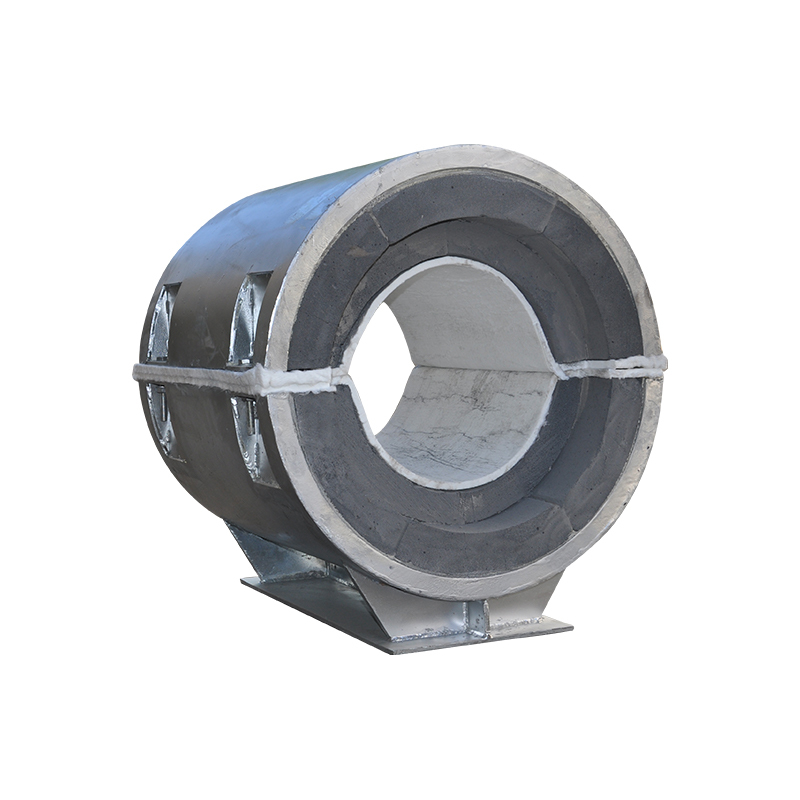

 Quick Link


