
Content
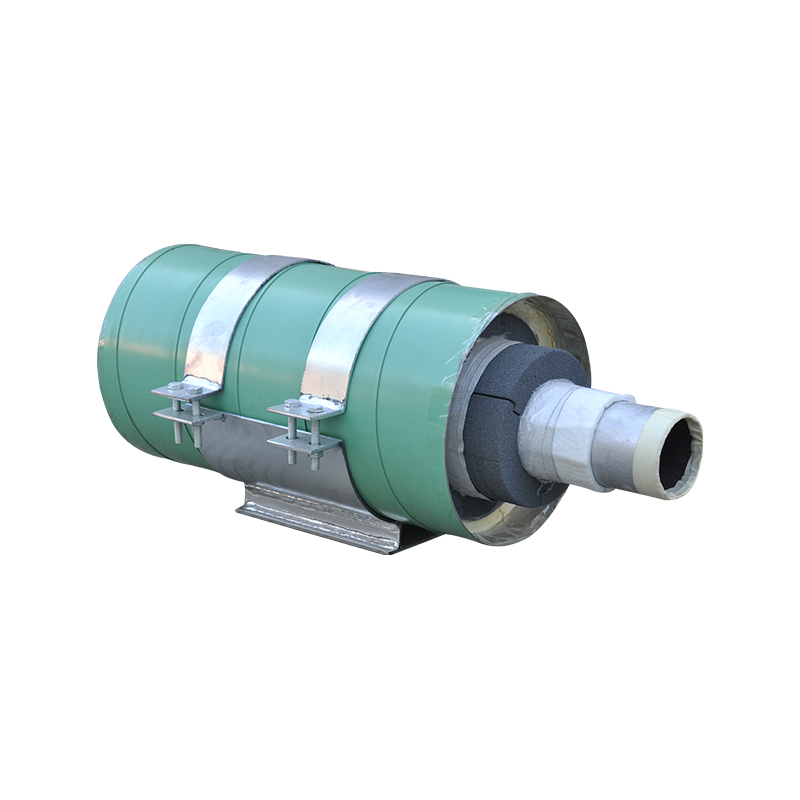
Prefabricated overhead steam pipelines reduce on-site installation time by 40-60% and minimize field welding requirements by up to 80% compared to traditional field-fabricated systems. These systems deliver superior quality control through factory-controlled manufacturing environments.
Factory prefabrication ensures consistent insulation thickness and density. For steel-jacketed steam pipes, standard lengths of 6m, 9m, and 12m are produced with insulation thickness ranging from 30mm to 150mm and thermal conductivity ≤0.033 W/(m·K) for polyurethane foam at 20°C. Operating temperatures can reach ≤350°C (up to 450°C for steel-in-steel configurations) with working pressures of 1.6MPa to 2.5MPa .
The service life of properly installed prefabricated systems ranges from 30 to 50 years. Energy efficiency is approximately 30%-100% higher than traditional thermal insulation pipes during the 3 to 30 year operational period .
ASME B31.1 (Power Piping Code) is the primary mandatory standard for all high-pressure steam piping systems exceeding 15 psig. For systems operating at 15 psig or below, ASME B31.9 (Building Services Piping) may be applied .
| Parameter | Requirement | Standard Reference |
|---|---|---|
| Minimum Design Pressure | 100 psig (700 kPa) | ASME B31.1 Para 122.1.2 |
| Material Selection | ASTM A53 Grade B or ASTM A106 seamless | Section 104 |
| Welding Qualifications | ASME BPV IX compliance required | Quality Assurance |
| Stress Analysis | Computer analysis by manufacturer | System Design |
| Engineering Stamp | Registered Professional Engineer required | Shop Drawings |
For projects within China, the following standards apply:
The design phase must include: expansion compensators with calculated loads, anchor locations with thrust block dimensions, pipe sizes with elevations, and clearances between piping. All shop drawings must be signed and sealed by a qualified professional engineer showing expansion loops, guides, and calculated stresses .
Support spacing follows the "pipe diameter + 10" rule of thumb: for a 1-inch pipeline, spacing is approximately 11 feet (3.35m); for a 6-inch pipeline, spacing is approximately 16 feet (4.88m). ASME B31.1 Table 121.5 provides specific maximum spans based on service type .
| Nominal Pipe Size (NPS) | Water Service | Steam, Gas, Air Service |
|---|---|---|
| 1" | 7 ft (2.1 m) | 9 ft (2.7 m) |
| 2" | 10 ft (3.0 m) | 13 ft (4.0 m) |
| 4" | 14 ft (4.3 m) | 17 ft (5.2 m) |
| 6" | 17 ft (5.2 m) | 21 ft (6.4 m) |
| 8" | 19 ft (5.8 m) | 24 ft (7.3 m) |
| 12" | 23 ft (7.0 m) | 30 ft (9.1 m) |
| 20" | 30 ft (9.1 m) | 39 ft (11.9 m) |
| 24" | 32 ft (9.8 m) | 42 ft (12.8 m) |
For steam piping specifically:
Supports must be placed:
Spring-loaded supports and hangers should be used when expansion displacement occurs at the support point. Constant force spring supports are required for large displacement applications. When thermal expansion exceeds 100mm, extended pipe supports must be selected .
Thermal expansion is addressed through two primary methods: prefabricated expansion loops/bends (preferred) and in-line expansion joints. The space provided for lateral movement must be at least 1.5 times greater than the calculated piping movement .
Expansion loops and bends must be:
| Joint Type | Construction | Application | Temperature Rating |
|---|---|---|---|
| Bellows Type | 316 SS corrugated bellows, single or double | Axial, lateral, angular movement | Up to 500°F |
| Slip-Tube Type | External/internal guides, packing under pressure | High-pressure steam mains | 500°F rated |
| Hinged Type | Angular rotation capability | Direction changes in piping | Standard steam range |
For aboveground steam distribution, only two methods are considered acceptable: U-bend expansion loops and externally pressurized metal bellows-type mechanical expansion joints. All expansion compensation devices must be detailed on project drawings with locations, sizes, and types clearly indicated .
Anchors must be designed by the manufacturer and factory prefabricated to prevent moisture ingress. They shall be welded to the piping—not using pre-insulated anchors for steam systems. Guides must be purchased from specialized manufacturers, welded to steam piping, and designed to allow controlled movement while supporting vertical loads .
All anchorage and hard bends should be installed outside of manholes and buildings, not within vaults. Thrust blocks must be independent and not rely on adjacent manhole walls for support .
Prefabricated insulated steam pipes have a designed service life of 30 to 50 years when properly installed and maintained. This longevity is achieved through factory-controlled insulation density, corrosion-resistant outer jackets (HDPE or FRP), and proper stress analysis during design .
Field joints must be insulated, sealed, and protected according to manufacturer written instructions using field joint kits consisting of insulation, coatings, and wrapping materials. Straight sections are typically supplied in 40-foot random lengths with 6 inches of piping exposed at each end specifically for field joint fabrication .
Systems require hydrostatic testing for the carrier piping and air testing for the conduit system. Test pressures typically equal 1.5 times design pressure for hydrostatic tests. For high-pressure steam (125 psig design), test pressure is 225 psig; for low/medium pressure (100 psig design), test pressure is 100 psig .
Yes, but expansion loops are preferred. An engineering analysis must determine whether straight runs with expansion joints in manholes are more beneficial than expansion loops considering construction cost, phasing, and ground disturbance. When using expansion joints, they must be 150 psig steam rated, flanged, and conform to Expansion Joint Manufacturers Association standards .
| Nominal Pipe Size | Insulation Thickness |
|---|---|
| 1" | 1" |
| 1-1/2" to 3" | 1-1/2" |
| 4" to 6" | 2" |
| 8" to 14" | 2-1/2" |
| 16" to 20" | 3" |
Yes, cast iron is not permitted for steam and condensate pressure systems. All pipe must be steel—galvanized steel pipe and fittings are specifically prohibited for blowoff piping. For pressures exceeding 100 psig, fittings must be steel with thickness not less than Schedule 80 .
ASME B31.1 spacing tables assume a sag of 0.1 inch (2.5mm) between supports is permissible, based on fixed beam support with bending stress not exceeding 2,300 psi (15.86 MPa) .
Copyright © Zhejiang Yichuang New Material Technology Co., Ltd. Calcium Silicate Pipe Insulation Manufacturer Fireproof Material Supplier





 English
 عربى
عربى Español
 русский
 Deutsch
 中文简体
中文简体

 English
 عربى
عربى Español
 русский
 Deutsch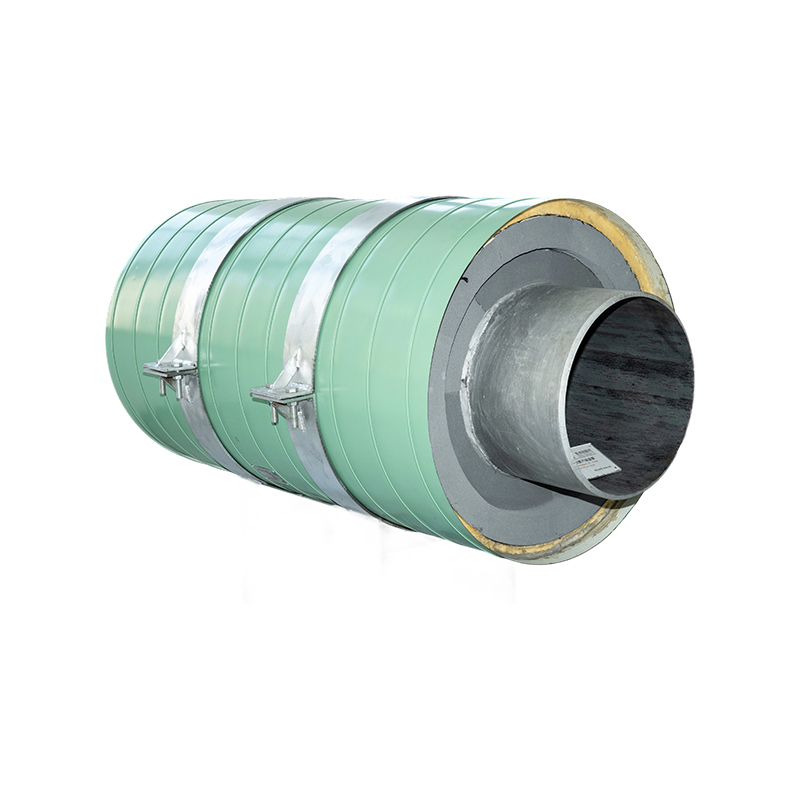

 Quick Link


