
Content
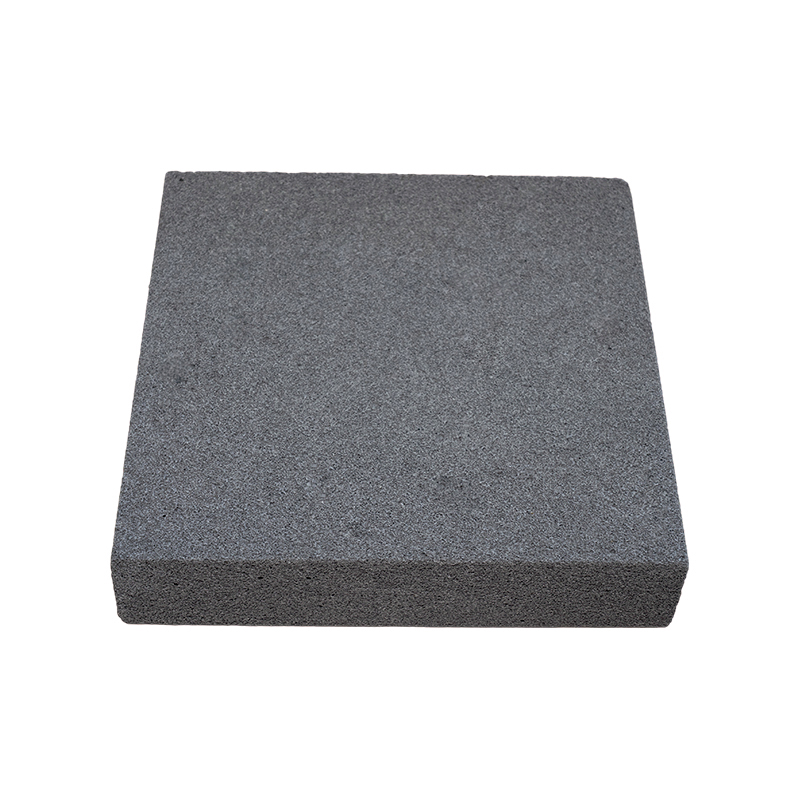
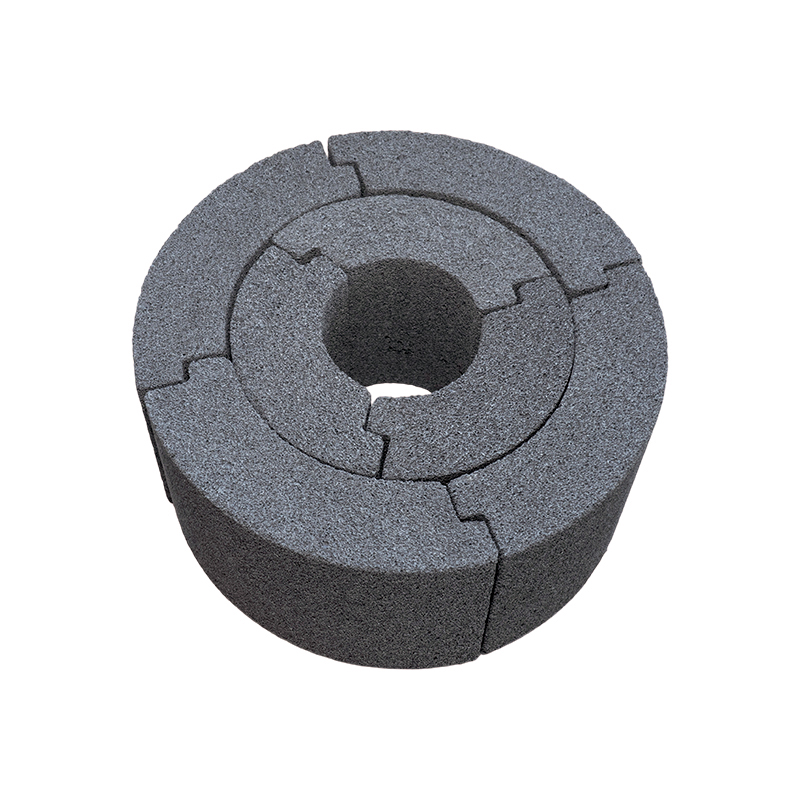
Rigid calcium silicate pipe insulation is the preferred choice for high-temperature industrial applications requiring structural integrity. It withstands continuous temperatures up to 650°C–1000°C (1200°F–1832°F), delivers thermal conductivity as low as 0.05–0.087 W/m·K, and maintains compressive strength exceeding 0.5–2.0 MPa—performance metrics that surpass fiberglass and match mineral wool while providing superior mechanical durability.
Rigid calcium silicate insulation exhibits exceptional thermal stability across extreme temperature ranges. Standard grades maintain continuous service temperatures of 650°C, while high-performance formulations withstand up to 1000°C–1100°C. The material demonstrates low thermal conductivity values ranging from 0.05 W/m·K at 100°C to 0.132 W/m·K at 600°C, significantly reducing heat loss in steam lines and industrial equipment.
Unlike flexible insulation materials, calcium silicate offers high compressive strength (0.5–2.0 MPa) and flexural strength (0.3–1.2 MPa), enabling it to withstand physical abuse and mechanical loads without deformation. This structural rigidity eliminates the need for additional support structures in many applications.
The material exhibits minimal linear shrinkage (≤2% after 16 hours at maximum service temperature) and maintains shape integrity under thermal cycling. This stability ensures long-term performance consistency and reduces maintenance requirements compared to materials that degrade under thermal stress.
Calcium silicate is non-corrosive, non-toxic, and chemically stable. It resists moisture penetration, mold growth, and chemical attack from industrial environments. Modern formulations are 100% asbestos-free, meeting global environmental and safety standards including EN 13501-1 A2-s1, d0 non-combustibility ratings.
| Material | Max Temperature | Thermal Conductivity | Compressive Strength | Key Advantages | Limitations |
|---|---|---|---|---|---|
| Calcium Silicate | 1000°C–1200°C | 0.05–0.087 W/m·K | High (0.5–2.0 MPa) | Structural strength, moisture resistance, durability | Brittle under impact, higher cost than fiberglass |
| Fiberglass | 540°C–1000°C | 0.032–0.044 W/m·K | Low | Cost-effective, widely available | Skin/respiratory irritation, lower heat limit |
| Mineral Wool | 650°C–1200°C | 0.035–0.039 W/m·K | Moderate | Fire-resistant, sound dampening | Less effective at very high temps, moisture sensitivity |
| Ceramic Fiber | 1260°C–1400°C | Very low | Low | Lightweight, thermal shock resistant | Higher cost, respiratory hazards |
Choose calcium silicate when applications require:
For applications below 540°C without mechanical load requirements, fiberglass may offer cost advantages. For temperatures exceeding 1200°C, ceramic fiber becomes necessary despite higher costs.
Surface preparation is critical for optimal performance. Ensure pipes are clean, dry, and free of rust or contaminants. Inspect calcium silicate sections for shipping damage—note that some breakage is normal during transport; damaged sections can be repaired using calcium silicate insulating cement.
Calcium silicate is safe to handle compared to fibrous insulation materials. It does not emit harmful fibers or cause skin/respiratory irritation. However, standard PPE (gloves, safety glasses) is recommended during cutting operations. The material is lightweight (density 200–300 kg/m³), facilitating easier handling than dense refractory materials.
Due to its rigid and brittle nature, calcium silicate insulation must ship via LTL pallet or full truckload—UPS delivery is not recommended. Store materials in dry conditions protected from weather exposure. If boards become wet, they can be dried and reused without performance degradation.
Standard Type I calcium silicate pipe insulation operates continuously up to 650°C (1200°F), while high-temperature formulations withstand up to 1000°C–1100°C (1832°F–2012°F). Short-term exposure may reach 1200°C depending on the specific grade.
Yes, modern calcium silicate is 100% asbestos-free and non-toxic. Unlike fiberglass or ceramic fiber, it does not release irritating fibers or cause respiratory issues. It is classified as non-combustible (Class A1) and produces no toxic fumes during decomposition.
Calcium silicate exhibits excellent moisture resistance. While the material is hydrophobic and water-resistant, if exposed to water it can dry and return to original performance characteristics without degradation. This makes it suitable for humid industrial environments and outdoor applications with proper jacketing.
Primary applications include petrochemical processing, power generation, steel manufacturing, cement and glass production. Specific uses encompass steam pipe insulation, turbine insulation, boiler lining, furnace backup insulation, and high-temperature equipment protection.
With proper installation and protection, calcium silicate insulation provides long-term durability exceeding 10–15 years in continuous high-temperature service. Case studies demonstrate 3x longer lifespan than traditional castable refractories in cyclone preheater applications. Minimal shrinkage and thermal shock resistance contribute to extended maintenance intervals.
Yes, minor damage from shipping or installation can be repaired using calcium silicate insulating cement (such as Cal-Coat 127) to fill cracks or voids. For severely damaged sections, replacement is recommended to ensure thermal performance integrity.
Density ranges from 170 kg/m³ to 300 kg/m³ depending on the grade. Lower density (200–250 kg/m³) provides better thermal insulation with thermal conductivity around 0.05–0.065 W/m·K. Higher density (270–300 kg/m³) offers increased compressive strength (up to 2.0 MPa) for load-bearing applications.
Copyright © Zhejiang Yichuang New Material Technology Co., Ltd. Calcium Silicate Pipe Insulation Manufacturer Fireproof Material Supplier





 English
 عربى
عربى Español
 русский
 Deutsch
 中文简体
中文简体

 English
 عربى
عربى Español
 русский
 Deutsch

 Quick Link


