
Content
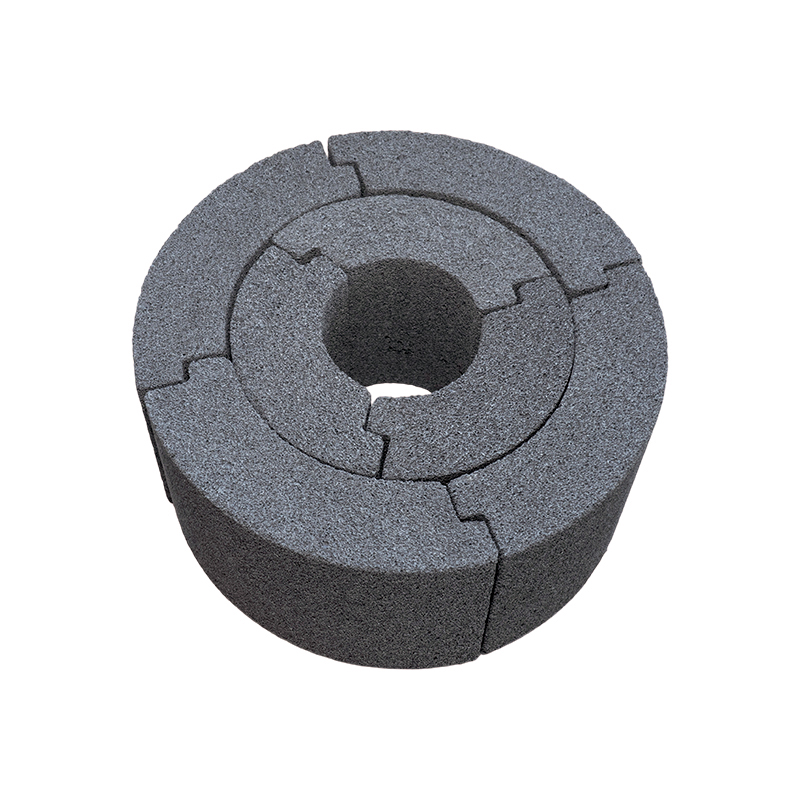
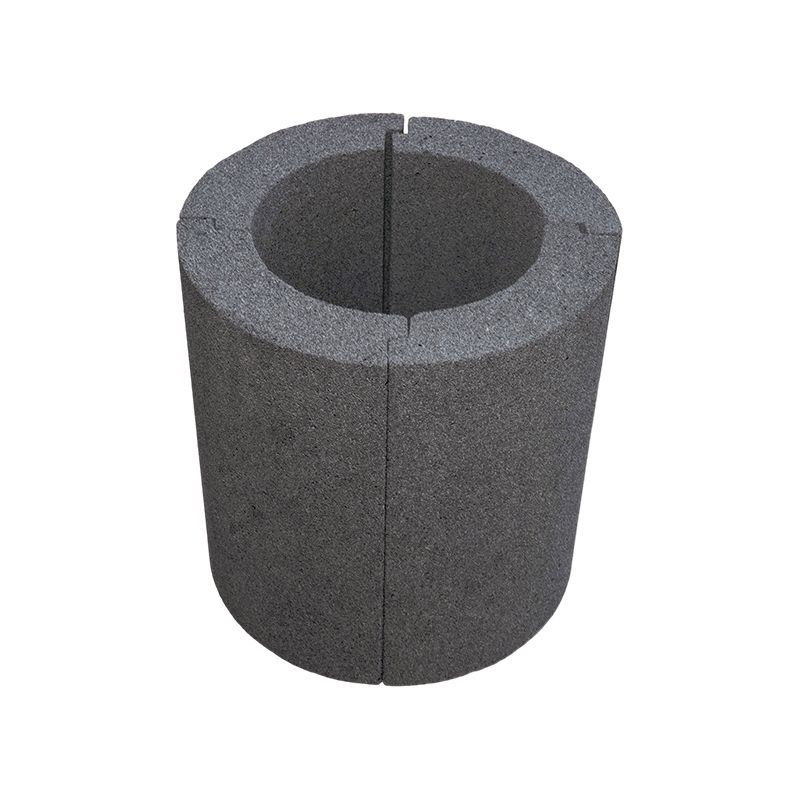
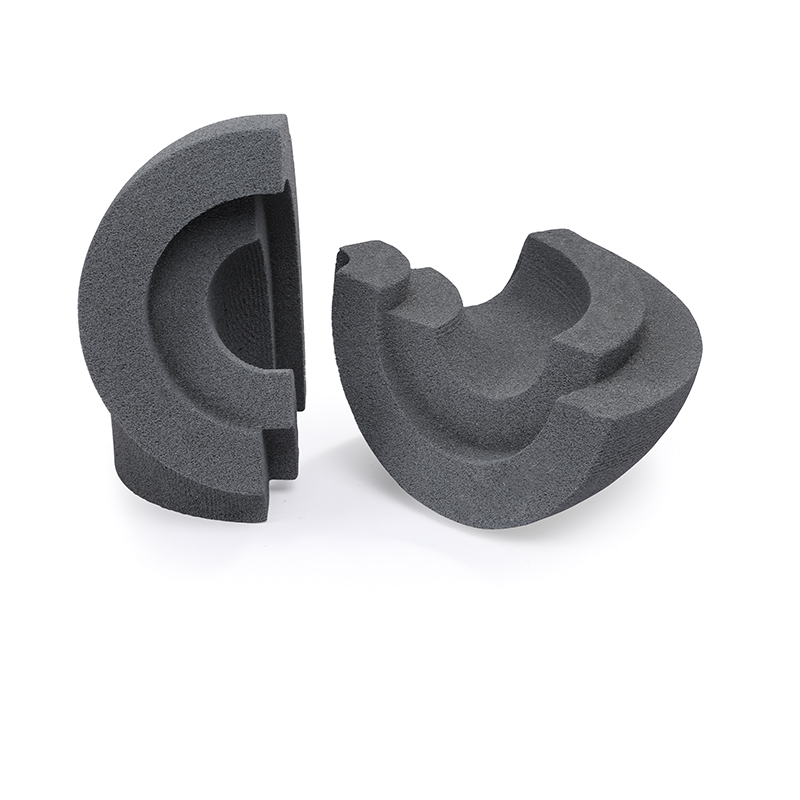
Foamed calcium silicate insulation material is a rigid, lightweight, non-combustible thermal insulation product made primarily from lime (calcium oxide), silica (silicon dioxide), and reinforcing fibers through a hydrothermal reaction process. It features a unique fine-pored cellular structure that delivers excellent thermal insulation performance, with service temperatures ranging from 35°C to 1,100°C and thermal conductivity as low as 0.065–0.080 W/(m·K) at 200°C. This material is widely used in high-temperature industrial equipment, pipeline systems, building fireproofing, and marine engineering due to its superior heat resistance, mechanical strength, and dimensional stability.
The composition of foamed calcium silicate insulation determines its performance characteristics. The material consists of several key ingredients that undergo chemical transformation during manufacturing.
The fundamental components include:
Through hydrothermal synthesis, the raw materials form specific crystalline structures:
The foaming process introduces air into the mixture using water vapor, surfactants, aluminum powder, or organic substances, creating the characteristic fine-pored cellular structure that provides excellent thermal insulation properties.
Foamed calcium silicate insulation exhibits a combination of properties that make it superior to many alternative insulation materials in high-temperature applications.
The material demonstrates exceptional thermal insulation capabilities:
| Property | Standard Grade | High-Density Grade |
|---|---|---|
| Bulk Density | 170–250 kg/m³ | 270–300 kg/m³ |
| Compressive Strength | ≥1.0 MPa | ≥2.0 MPa |
| Flexural Strength | ≥0.55 MPa | ≥1.2 MPa |
| Max Service Temperature | 1,000°C | 1,000°C |
Foamed calcium silicate insulation serves diverse industries where high-temperature thermal management, fire protection, and energy efficiency are critical requirements.
In power plants, this material is essential for:
The petrochemical industry relies on calcium silicate for:
Metal processing facilities use it extensively for:
In the construction sector, applications include:
Marine engineering benefits from its corrosion and moisture resistance for:
Proper installation is critical to maximizing the thermal performance and service life of foamed calcium silicate insulation. The installation process varies by application type but follows general principles.
Key steps common to most installations:
| Application | Fixing Method | Key Considerations |
|---|---|---|
| Industrial Furnaces | Metal anchors, support brackets | Stagger joints between layers; leave 2–3 mm expansion gap |
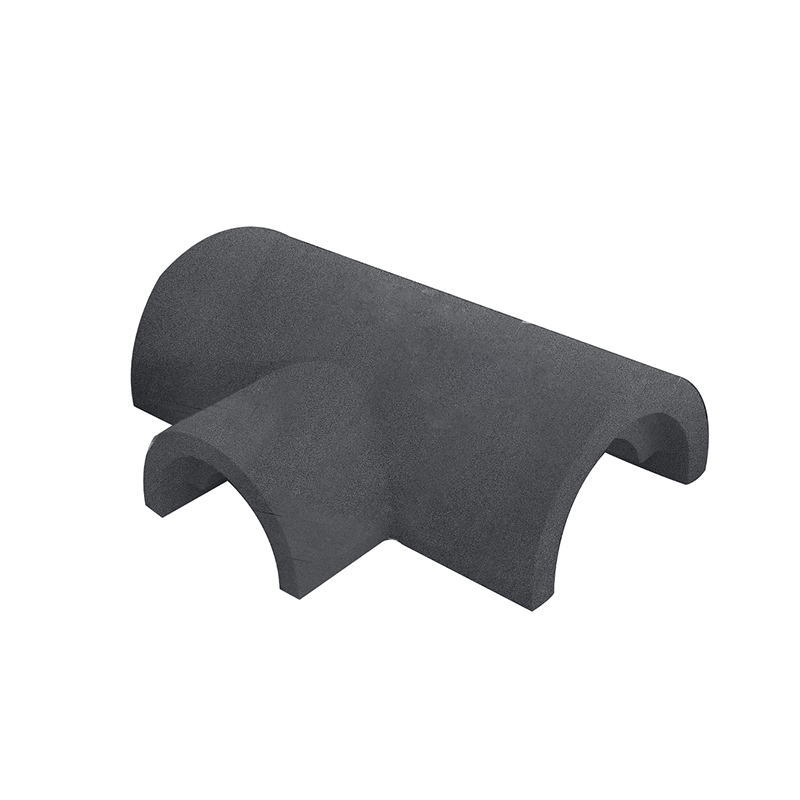
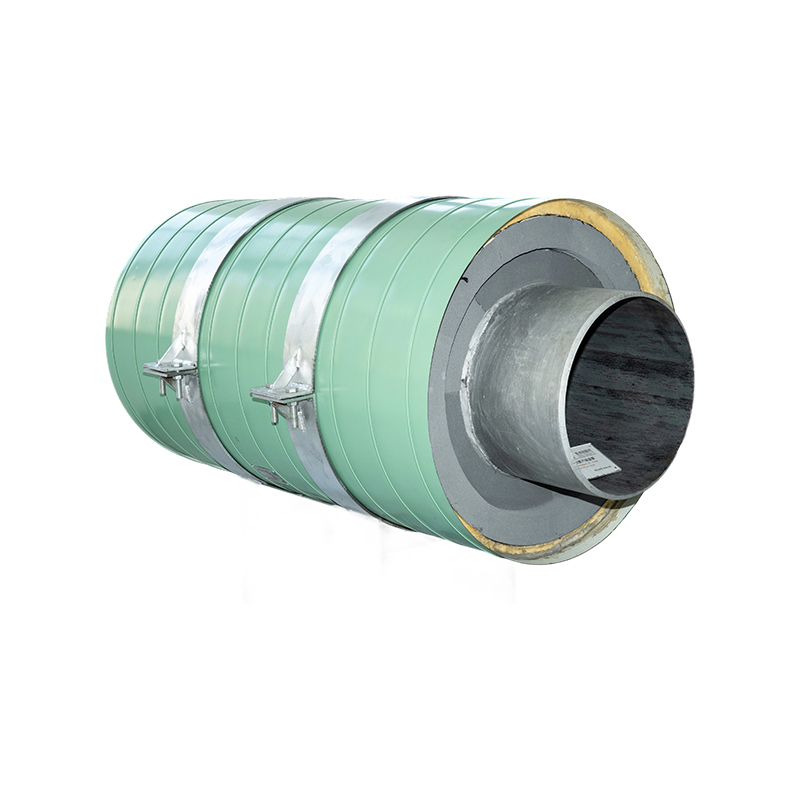
| Pipeline Systems | High-temperature adhesive, slide-on preformed sections | Ensure tight fit; seal longitudinal and circumferential joints |
| Building Fireproofing | Self-tapping screws to steel/wood studs | Apply fire-resistant sealant at joints |
| High-Load Areas | Mechanical fixing + heat-resistant adhesive | Use high-density boards; ensure full surface contact |
Standard foamed calcium silicate insulation can withstand continuous operating temperatures up to 1,000°C, with some specialized grades rated for 1,100°C. The maximum temperature depends on the specific calcium silicate hydrate phase present—xonotlite-based products offer higher temperature resistance than tobermorite-based ones.
Yes, it is completely safe for indoor applications. The material is non-toxic, non-combustible, and asbestos-free. It does not emit harmful gases or smoke even when exposed to high temperatures. However, when cutting or grinding the material, dust masks should be worn as a standard safety precaution against inhalable dust particles.
Foamed calcium silicate offers several advantages over fibrous insulations: higher compressive strength (≥1.0 MPa vs. negligible for fibrous materials), superior dimensional stability at high temperatures, and better resistance to moisture damage. While mineral wool can handle temperatures up to 1,035°C, calcium silicate provides better structural integrity and is preferred for applications requiring load-bearing capacity or precise dimensional control.
The material is water absorbent, meaning it can absorb moisture if exposed. However, unlike organic insulations, it can be dried out completely without deterioration in thermal or mechanical properties. For outdoor or humid environments, protective jacketing or waterproof coatings are recommended to prevent moisture ingress.
Installation requires only basic tools: hand saws, hacksaws, or angle grinders for cutting; drills for making holes; and standard fasteners (screws, anchors) or high-temperature adhesives for fixing. No specialized curing equipment or complex machinery is necessary, making it one of the most installer-friendly high-temperature insulation materials available.
With proper installation and protection, foamed calcium silicate insulation can provide a service life of 20–30 years or more. Its inorganic composition resists aging, thermal degradation, and biological attack. The material does not shrink significantly at operating temperatures, maintaining its insulation performance throughout its service life.
Yes, the material is environmentally sustainable. It is manufactured from abundant natural minerals (lime and silica) and contains no harmful substances. At end-of-life, foamed calcium silicate panels can be recycled into sand-lime bricks or insulating plaster. Material that cannot be recycled can be disposed of in standard landfills without environmental hazard.
While primarily designed for high-temperature applications, foamed calcium silicate can be used in cold insulation systems where temperatures do not drop below its operational limit. However, for cryogenic or very low-temperature applications (below -40°C), cellular glass or other specialized materials are more suitable due to better performance at extreme cold.
Copyright © Zhejiang Yichuang New Material Technology Co., Ltd. Calcium Silicate Pipe Insulation Manufacturer Fireproof Material Supplier





 English
 عربى
عربى Español
 русский
 Deutsch
 中文简体
中文简体

 English
 عربى
عربى Español
 русский
 Deutsch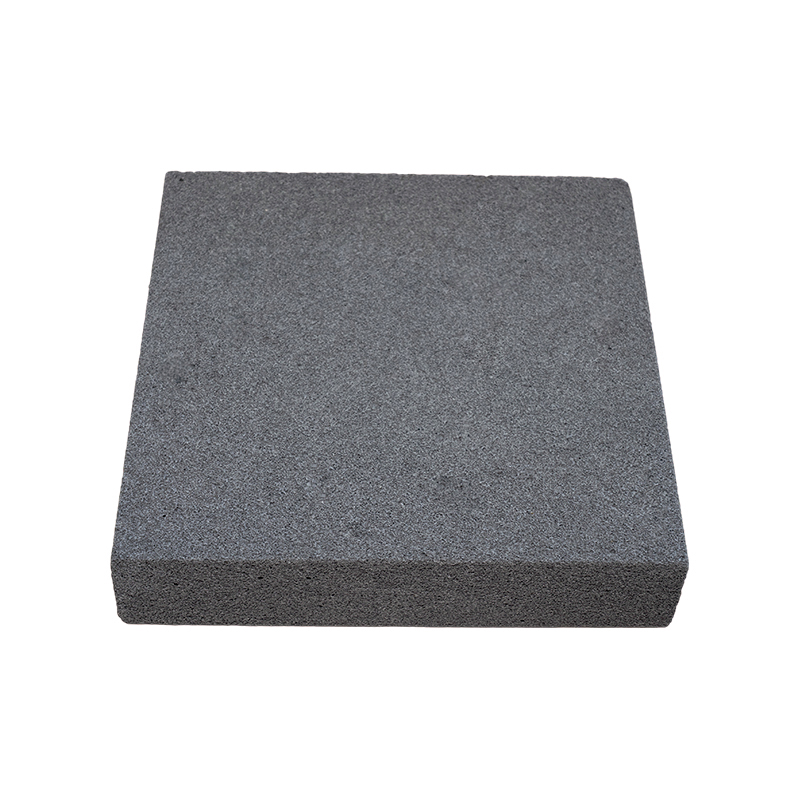

 Quick Link


