
Content
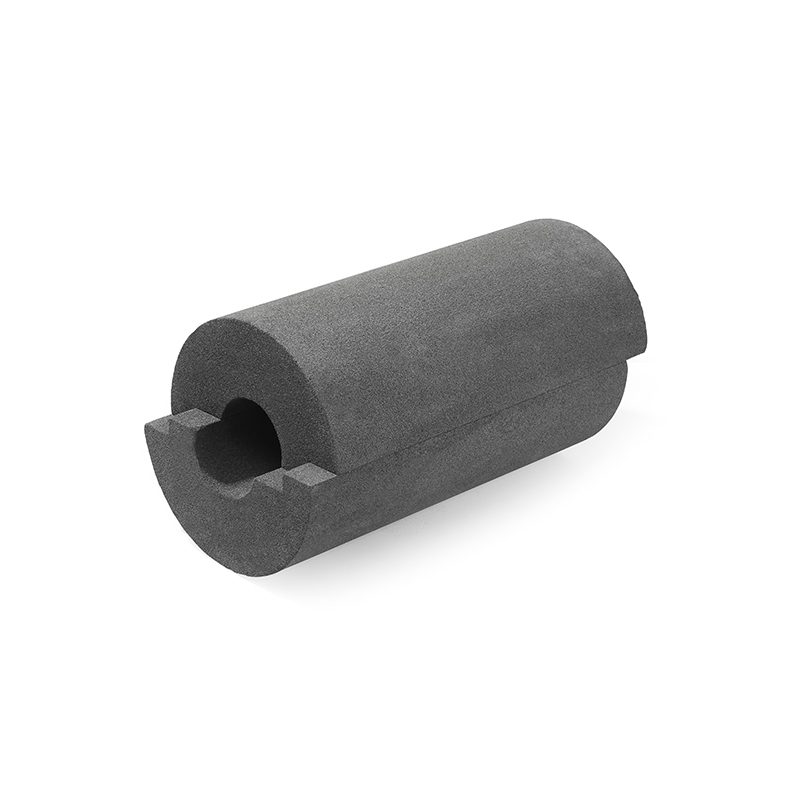
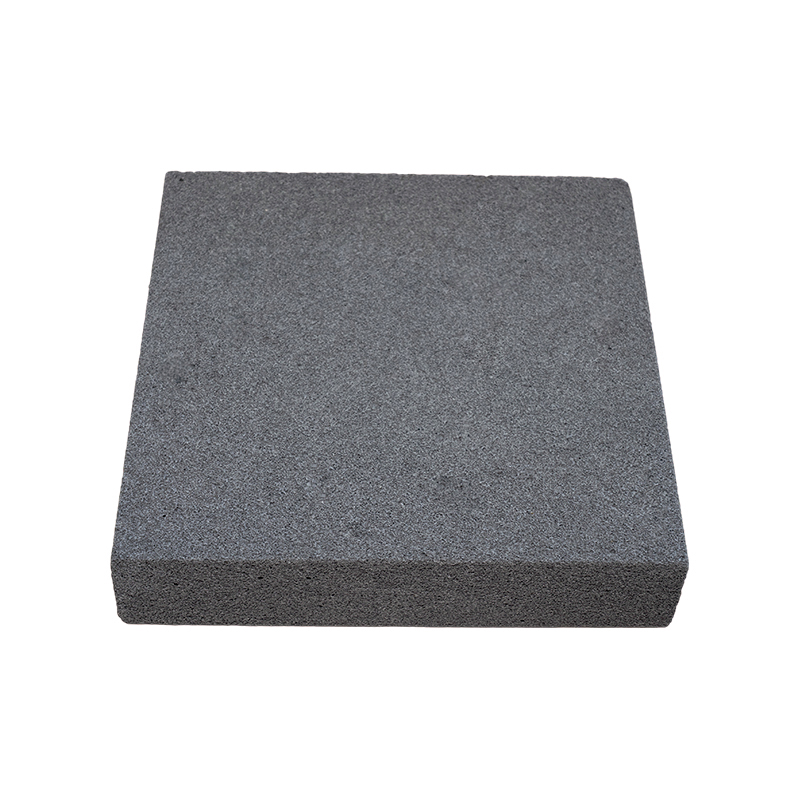
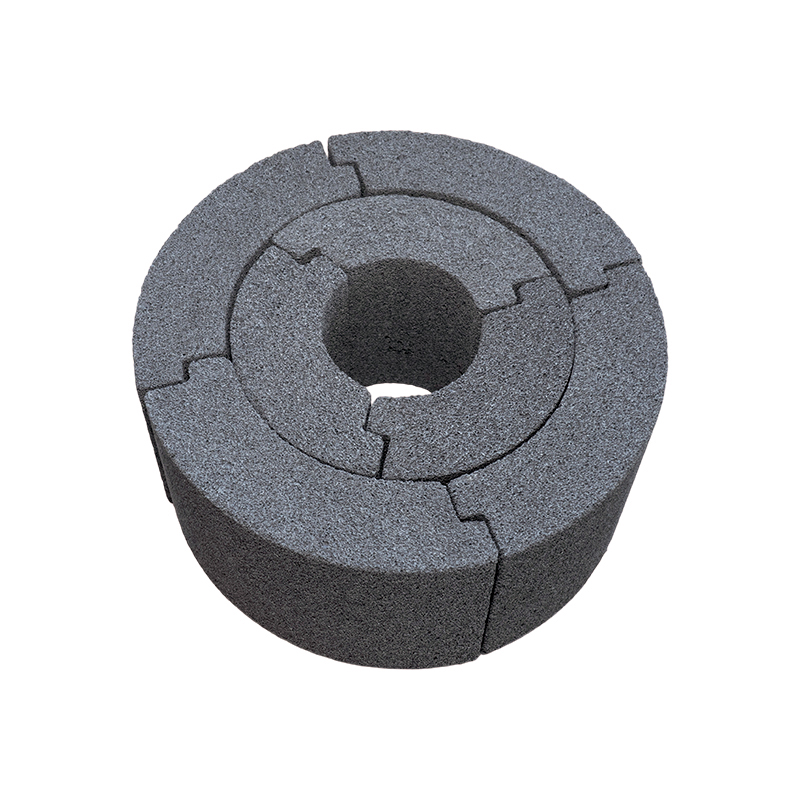
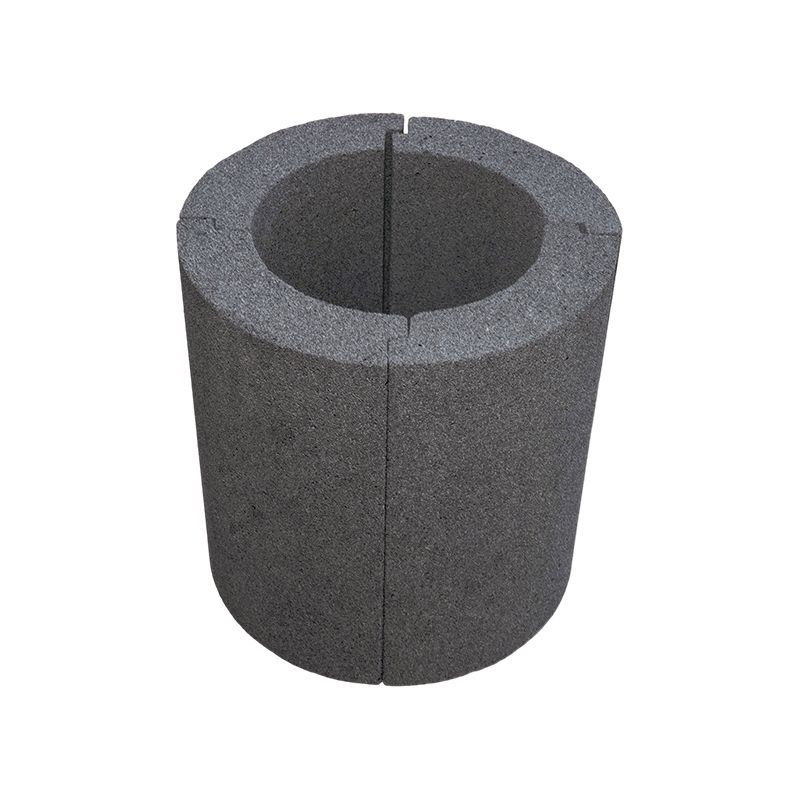
In humid environments, the Foamed Calcium Silica Special-Shaped Insulation Material produced by Zhejiang Yichuang New Material Technology Co., Ltd. exhibits exceptionally superior moisture-proof performance. This is attributed to its unique three-layer porous structure and advanced manufacturing process.
The following are the specific performance characteristics of this material in humid environments:
In high-humidity environments such as islands and coastal areas, moisture resistance is a key indicator for evaluating the performance of insulation materials.
The material's unique three-layer porous structure (millimeters, micrometers, and nanometers) ensures extremely low water absorption. Even after prolonged immersion in water, the material will not swell or deform due to water absorption, ensuring structural integrity.
Even in humid environments, the material surface does not produce a sticky feeling like fiber materials such as glass wool, remaining dry during installation and facilitating construction.
Due to its non-organic material properties, it contains no organic components that easily breed bacteria or mold, and will not mold or deteriorate even after prolonged exposure to humid environments.
Humid environments often cause a decline in the thermal insulation performance of ordinary insulation materials, but foamed calcium silicate material effectively addresses this.
Even in high humidity or salt spray environments, the dry air micropores within the material remain intact, and the thermal resistivity is almost unaffected, continuously providing efficient insulation.
This material has excellent alkali and acid resistance, resisting the salt spray corrosion and acid and alkali erosion common in coastal areas, and will not undergo chemical degradation due to humidity.
Even in humid environments, if the ambient temperature is high (such as the outer wall of steam pipes), this material still maintains excellent compressive strength and flexural strength, and will not soften or fail due to increased humidity.
With its excellent moisture-proof performance, this material is widely used in humid areas.
Ideal choice for island heating, coastal chemical facilities, and coastal pipeline insulation.
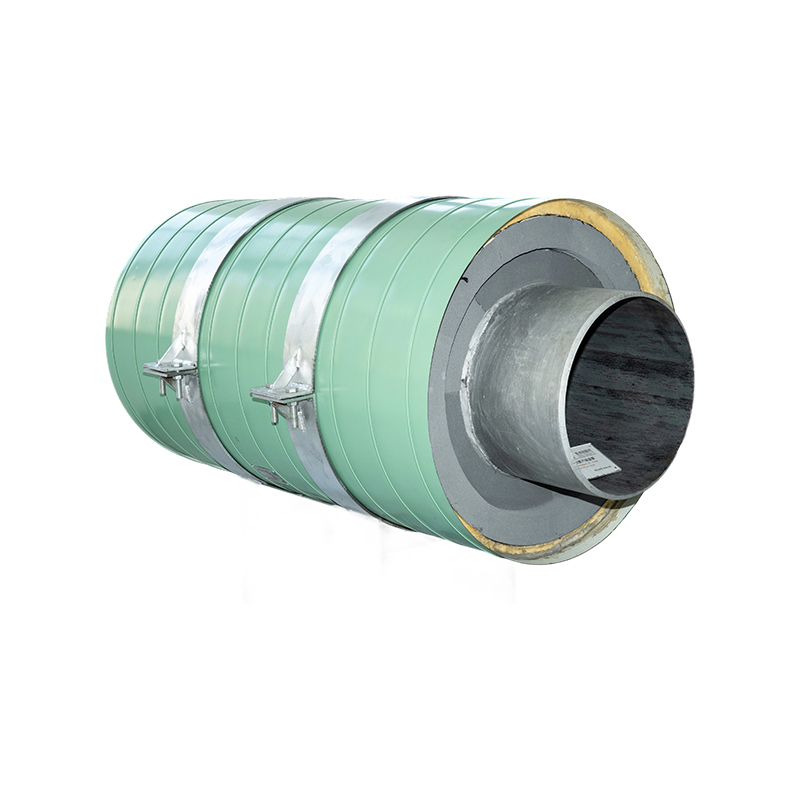
In humid environments, condensation often forms on the outer walls of steam pipes. Using this material not only prevents condensation penetration but also avoids corrosion of the pipe's metal surface.
In building curtain walls or exterior wall insulation systems in high-humidity areas, this material effectively prevents the wall from absorbing water, avoiding cracking or peeling problems caused by water absorption in the structural walls.
Copyright © Zhejiang Yichuang New Material Technology Co., Ltd. Calcium Silicate Pipe Insulation Manufacturer Fireproof Material Supplier





 English
 عربى
عربى Español
 русский
 Deutsch
 中文简体
中文简体

 English
 عربى
عربى Español
 русский
 Deutsch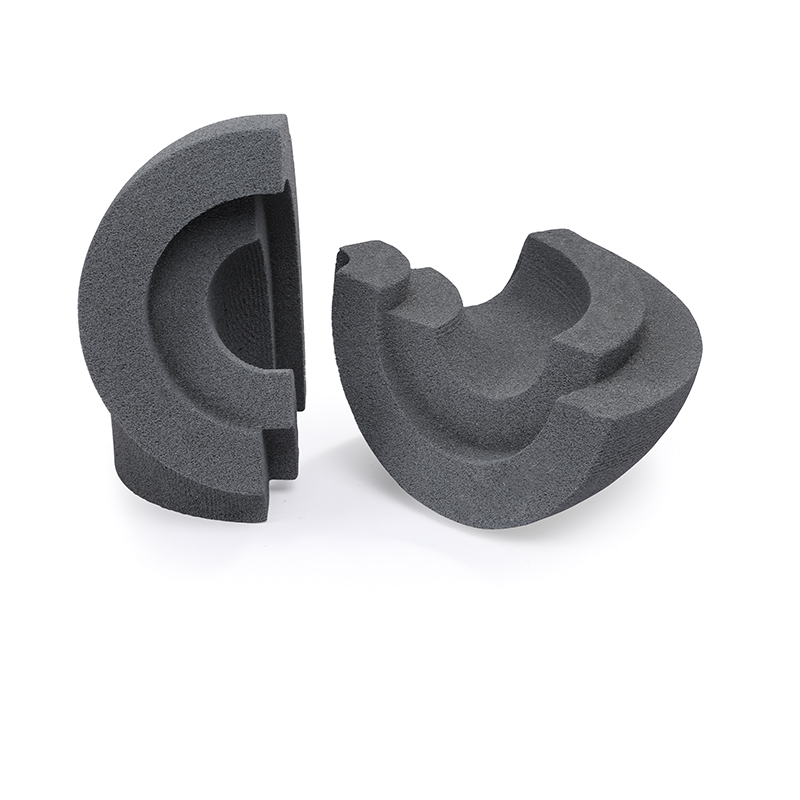

 Quick Link


