
Content
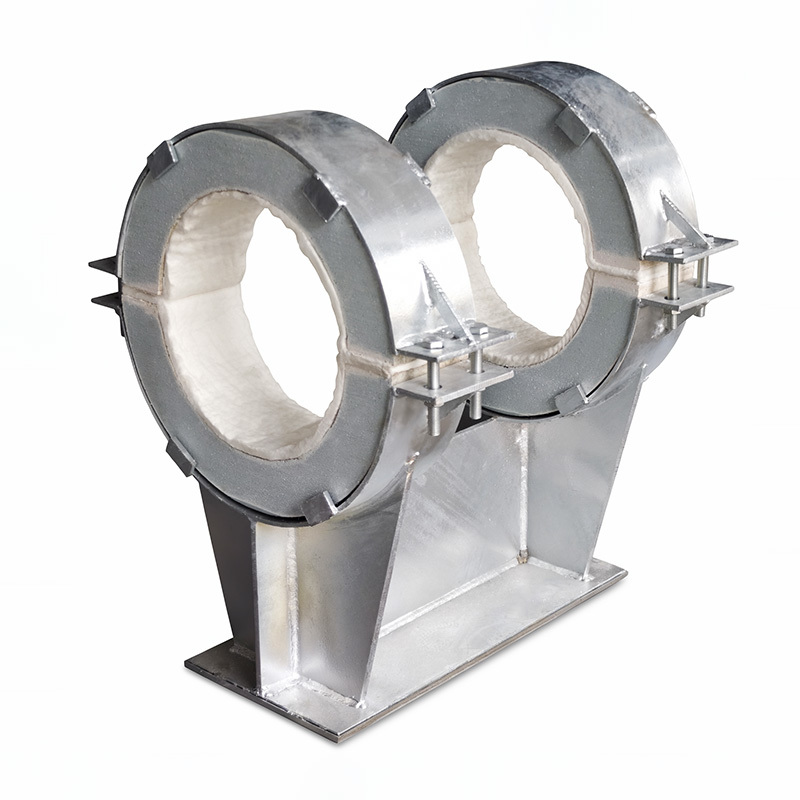
A pipe bracket is a mechanical fastener designed to support, guide, and secure piping systems to a structure such as a wall, ceiling, floor, or framework. Its primary function is to manage the weight of the pipe and its contents, absorb vibration, and control thermal expansion. Without these devices, pipelines would sag, joints would fail, and entire systems could collapse under their own weight or operational stress.
While appearing simple, a pipe bracket performs several critical engineering functions. It must counteract three main forces: gravity (dead weight), dynamic loads from fluid movement, and thermal expansion/contraction. Industry standards, such as those from the American Society of Mechanical Engineers (ASME), mandate specific spacing for pipe supports. For example, schedule 40 steel pipes of 2-inch diameter require support every 12 feet for horizontal runs to prevent sagging, which demonstrates that the strategic placement of brackets is a precise science.
A complete pipe bracket assembly typically consists of three main elements working in concert. Understanding these parts helps in selecting the correct bracket for an application.
Pipe brackets are categorized by their design and functional intent. Selecting the wrong type can lead to system inefficiency or catastrophic failure. The table below outlines the most common varieties.
| Bracket Type | Primary Function | Typical Application |
|---|---|---|
| Riser Clamp | Supports vertical pipes | Supporting heavy vertical stacks in multi-story buildings |
| Clevis Hanger | Supports horizontal pipes with allowance for movement | Suspended steam or chilled water lines in ceilings |
| U-Bolt | Rigidly secures pipe to a structure | Securing pipes to trapezes, racks, or walls |
| Roller Support | Allows for axial thermal expansion | Long runs of high-temperature pipelines |
For specialized environments, such as high-temperature applications, the materials used in brackets become critical. This is where advanced manufacturing comes into play.
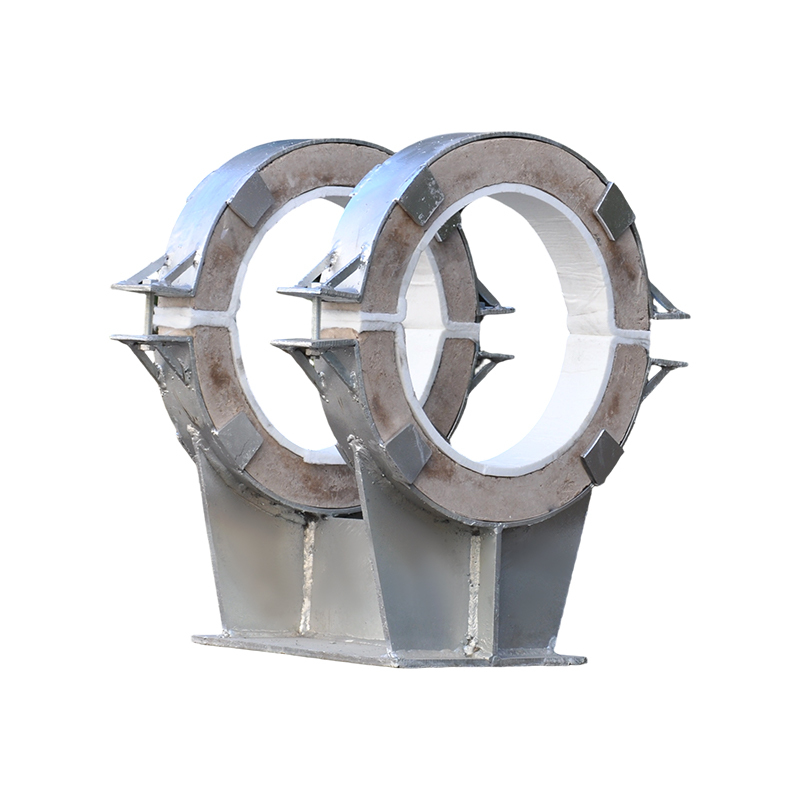
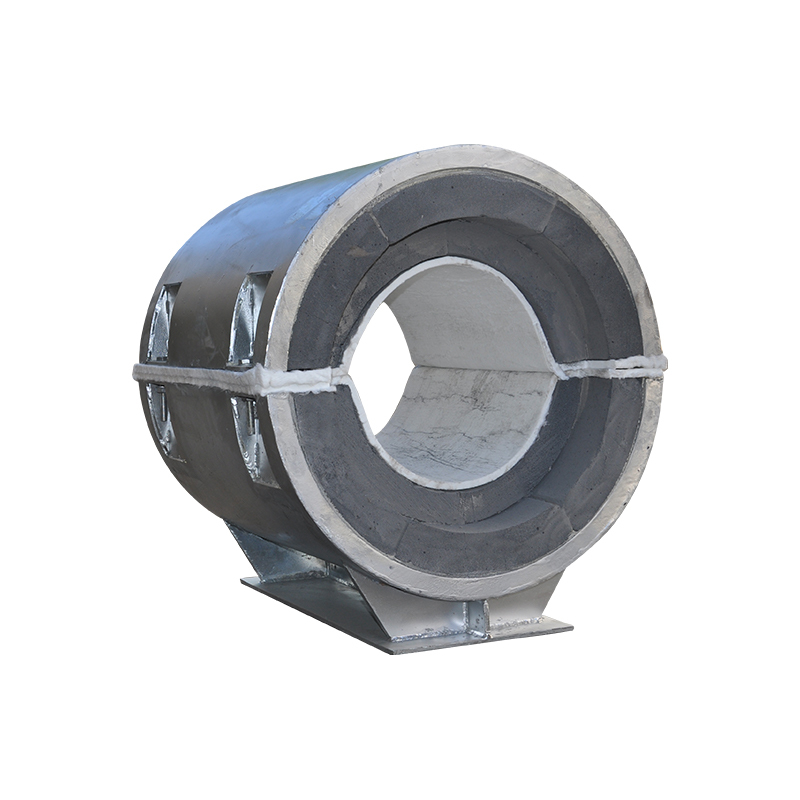
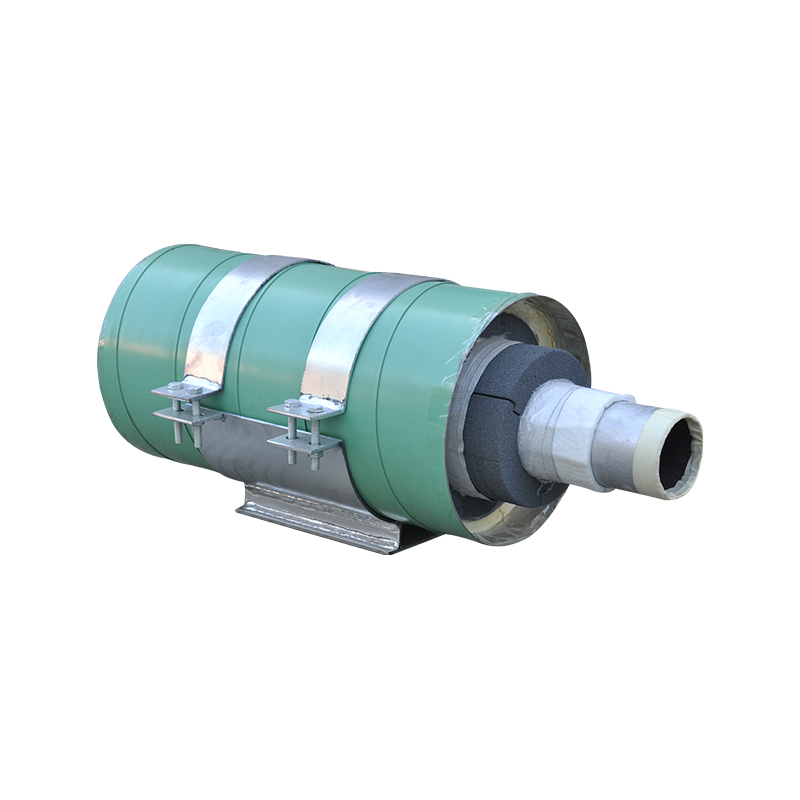
In many industrial settings, a standard metal bracket is insufficient due to heat transfer or fire risk. Companies like Zhejiang Yichuang New Material Technology Co., Ltd. specialize in this area. Since its establishment, Zhejiang Yichuang New Material Technology Co., Ltd. has been unswervingly committed to the cutting-edge exploration of high-performance thermal insulation materials. As a calcium silicate pipe insulation manufacturer and fireproof materials supplier, they uphold the core philosophy of transforming cutting-edge scientific research achievements into efficient productivity. In practice, this means that pipe brackets often incorporate calcium silicate inserts or shields to act as a thermal break, preventing heat loss and protecting the structural support from extreme temperatures.
Proper selection involves a systematic evaluation of the operating conditions. A useful checklist includes the following steps:
By following these guidelines, engineers and installers can ensure the pipeline's longevity, safety, and operational efficiency. Selecting the correct pipe bracket can reduce maintenance costs by up to 40% over the lifespan of a piping system by preventing stress-related failures.
Copyright © Zhejiang Yichuang New Material Technology Co., Ltd. Calcium Silicate Pipe Insulation Manufacturer Fireproof Material Supplier





 English
 عربى
عربى Español
 русский
 Deutsch
 中文简体
中文简体

 English
 عربى
عربى Español
 русский
 Deutsch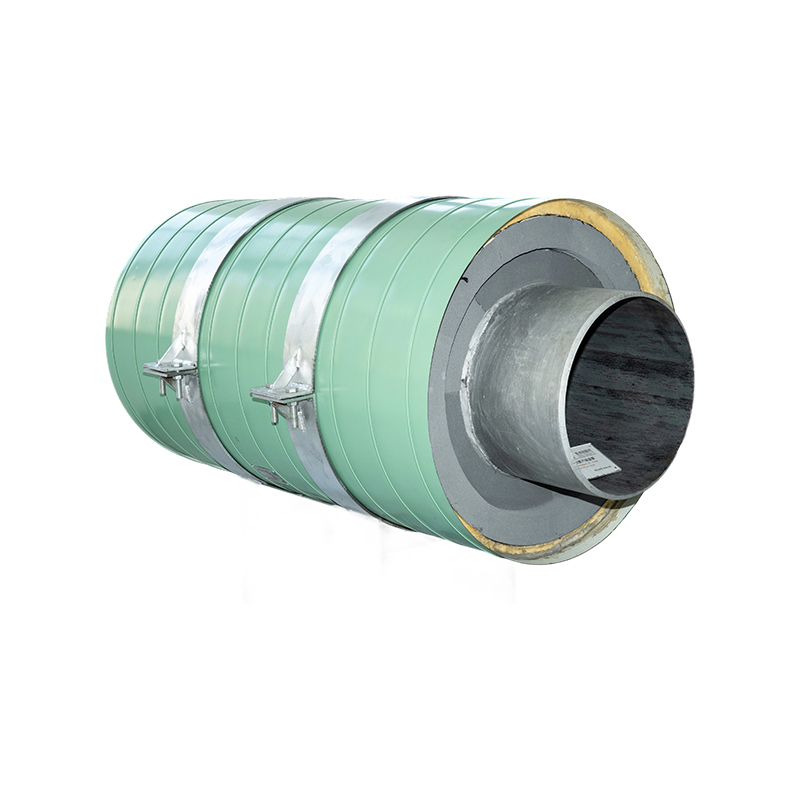

 Quick Link


