
Content
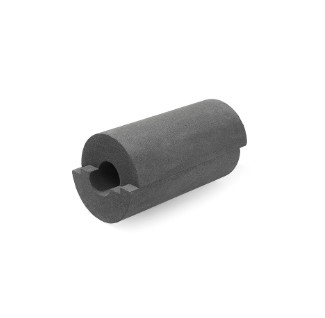
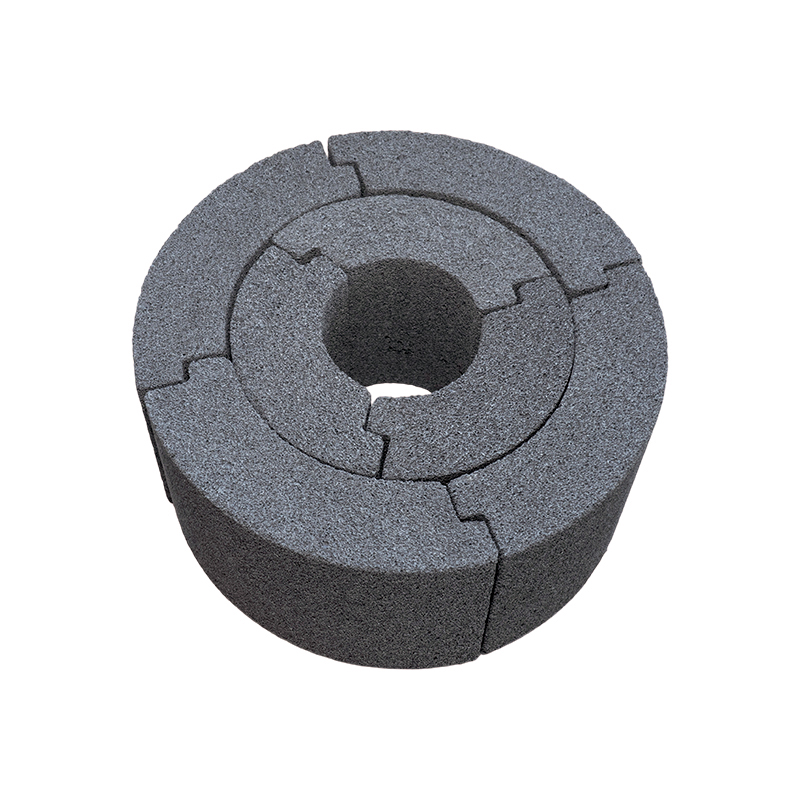
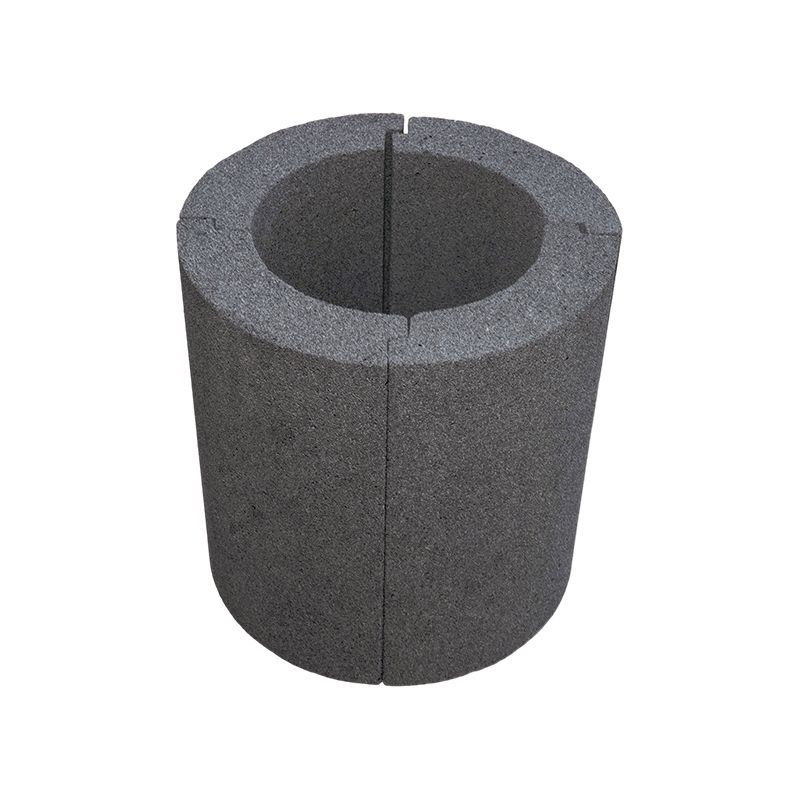
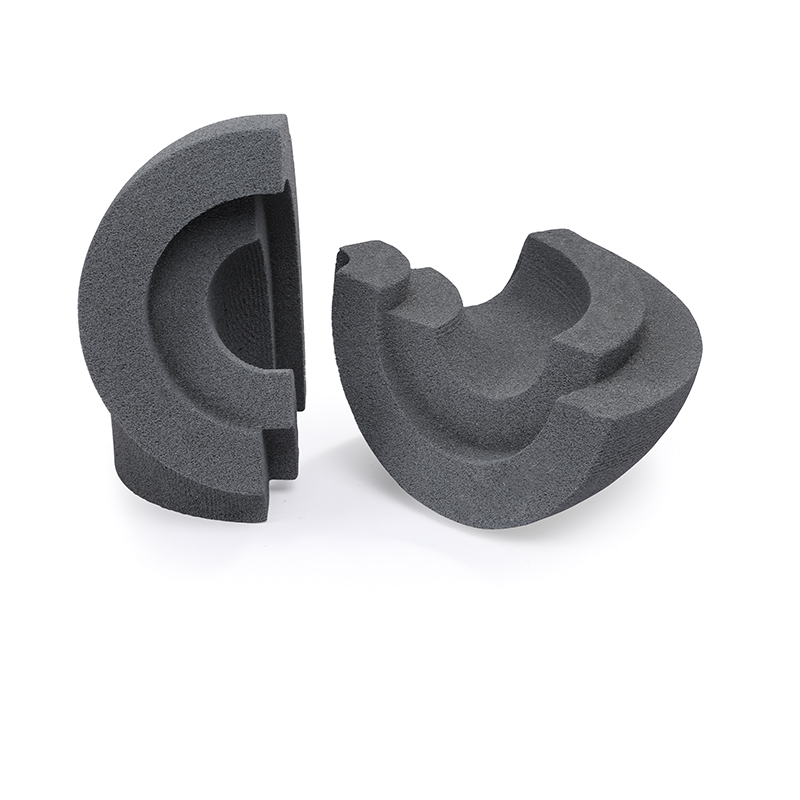
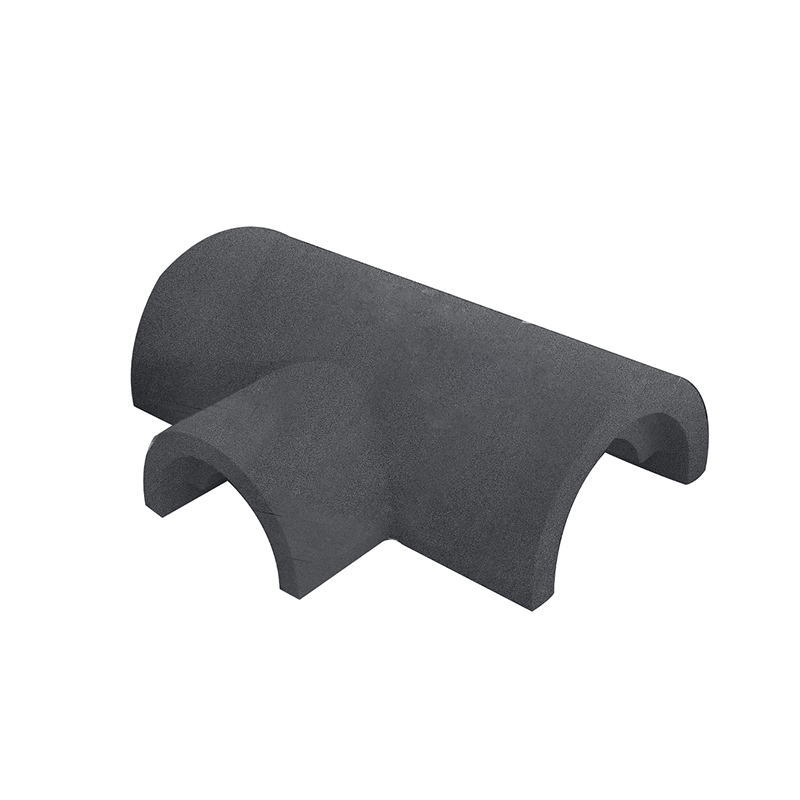
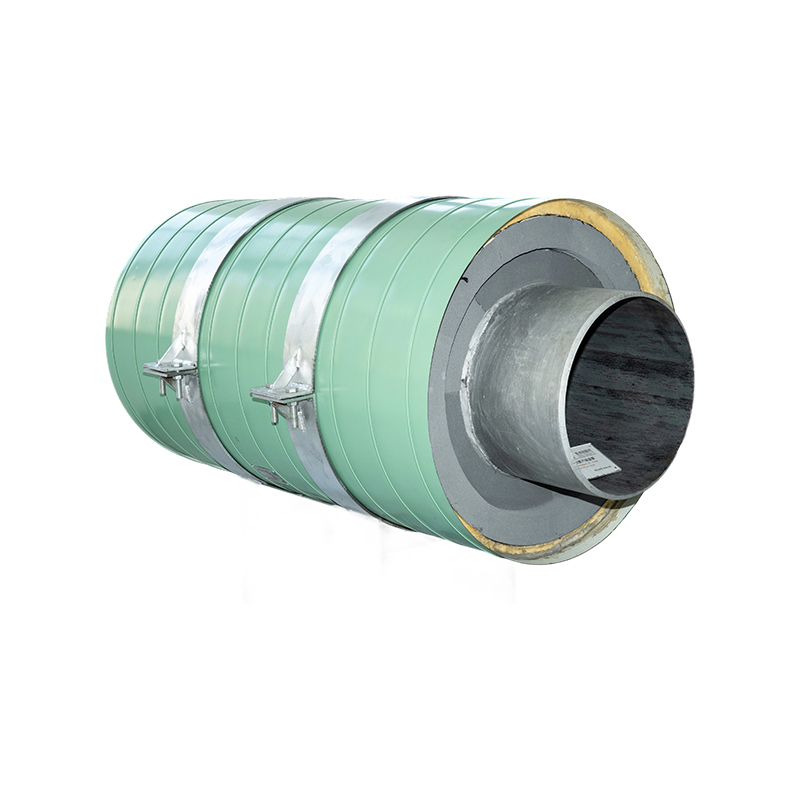
Foamed calcium silicate special-shaped insulation material is a type of irregularly shaped insulation material manufactured using a special foaming process.
It has the following characteristics:
Utilizing a unique foaming process, it is manufactured into one-piece irregularly shaped or customized products, avoiding thermal bridging issues at on-site joints.
Its internal structure exhibits a three-level pore system of "millimeter, micrometer, and nanometer," making it both lightweight and high-strength.
Widely used in industrial steam pipes, equipment insulation, and building energy conservation, especially suitable for irregularly shaped parts under complex working conditions.
| Attribute | Description | Key Advantages |
| Definition | A hard inorganic insulation material formed through a unique foaming process, often shaped into special or custom forms. | Seamless Integration: Eliminates thermal bridges caused by seams. |
| Customizable: Suitable for complex pipe and equipment geometries. | ||
| Structure | Features a three-level pore system (millimeter, micron, nanometer). | High Strength: Excellent compressive resistance. |
| Low Thermal Conductivity: Superior insulation performance. | ||
| Application Scope | Used in industrial steam pipelines, equipment insulation, building energy-saving, and special components. | Durability: Performs well under high temperature and humidity conditions. |
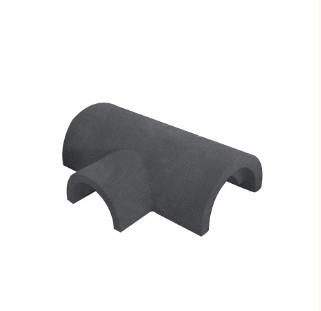
The core chemical components of this material mainly include:
This is its main hydrated calcium silicate crystal structure, giving the material high strength and high-temperature resistance.
As the main silicon source, it reacts with calcium oxide to form a silicate network structure. Calcium oxide (CaO): Provides a calcium source, adjusts the calcium-silica ratio (usually controlled at around 1:1), and affects the crystal morphology and porosity of the material.
| Component | Chemical Role | Performance Contribution |
| Hard Calcium Silicate (6CaO·6SiO₂·H₂O) | Main hydrated silicate product forming the crystal structure. | High Strength: Core structural support. |
| Heat Resistance: Fundamental fire-resistant material. | ||
| Silicon Dioxide (SiO₂) | Silicon source that reacts with calcium oxide to form silicate networks. | Structural Integrity: Determines pore size and distribution. |
| Calcium Oxide (CaO) | Calcium source that adjusts the Si/Ca ratio. | Pore Formation: Influences the quality of foaming and porosity. |
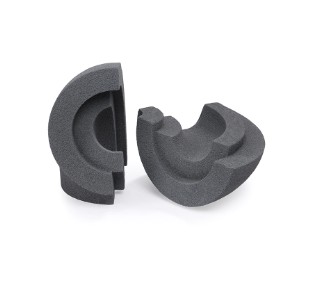
Compared to traditional spray-applied insulation systems (such as sprayed rock wool, sprayed foam, etc.), foamed calcium silicate insulation boards have significant advantages:
Foamed calcium silicate insulation boards have higher compressive strength and durability, and are less prone to compaction or detachment problems caused by on-site construction, while spray-applied systems may harden unevenly in humid or high-temperature environments.
Foamed calcium silicate is essentially an inorganic material with good fire-retardant properties, while some spray-applied systems may contain organic components, resulting in relatively poor fire resistance.
The integrated molded foamed calcium silicate insulation board has a smooth surface and can be used immediately after installation without an additional finishing layer, avoiding the surface roughness or peeling problems that may occur with spray-applied systems.
| Dimension | Foamed Calcium Silicate | Spray-Type Insulation System | Comparison |
| Structural Integrity | One-piece molding prevents detachment. | Surface spray; prone to falling off. | Superior: Better overall integrity. |
| Fire Resistance | Inherently inorganic; fire-resistant. | May contain organic components; lower fire resistance. | Superior: Better fire performance. |
| Aesthetic Installation | Flat surface; ready-to-use after installation. | Requires surface treatment post-installation. | Superior: No additional finishing needed. |
| Cost | Relatively stable cost. | Complex installation process; cost fluctuations. | Cost-Effective: More economical for long-term use. |
Under proper design and use, foamed calcium silicate insulation material generally does not pose a risk of insufficient strength leading to collapse:
The hard calcium silicate structure of this material gives it extremely high compressive strength, capable of withstanding the weight and external forces acting on industrial pipelines.
Its three-layer porous structure ensures maintained strength over long-term use, especially performing excellently in high-temperature, high-humidity, or wet-dry cycling environments.
It should be noted that although it has high strength, any insulation material can be damaged if improperly supported during construction or installed under extreme loads. Following the installation specifications of Zhejiang Yichuang New Material Technology Co., Ltd. is crucial.
| Question | Answer | Reason |
| Is it prone to collapse? | No | The hard calcium silicate structure provides extremely high compressive strength. |
| Support Requirements | Must follow installation standards. | While the material is strong, improper support or extreme loads can cause damage. |
| Long-Term Performance | Stable | Maintains strength well under dry-wet cycles and high temperature. |
Foamed calcium silicate insulation material maintains good insulation performance even in humid environments:
Its special foamed pore structure and the chemical properties of hydrated calcium silicate determine its extremely low water absorption rate, making it difficult for moisture to penetrate into the material's interior.
Due to its main component being inorganic silicate, it is not prone to mold growth or corrosion even in humid environments.
In practical applications, foamed calcium silicate insulation boards are commonly used for the outer walls of industrial pipelines. They maintain a stable thermal conductivity under prolonged humid and hot conditions, and their insulation performance is not significantly reduced due to moisture absorption.
| Question | Answer | Reason |
| Does moisture affect performance? | No | The unique three-level pore structure gives it very low water absorption. |
| Mold and Corrosion Resistance | Excellent | As an inorganic silicate, it does not easily support mold growth even in humid conditions. |
| Insulation Performance | Stable | Thermal conductivity remains consistent in wet and hot environments. |
The production of specially shaped foamed calcium silicate insulation materials does require precise process control:
The core of its production involves foaming calcium silicate slurry and injecting it into a mold for curing, forming a specific shape and pore structure.
Accurate control of the dosage of chemical foaming agent, the viscosity of the slurry, and the curing temperature is required to ensure uniform density and no residual air bubbles in the product.
Zhejiang Yichuang New Materials Technology Co., Ltd., through collaborative R&D with the Shanghai Institute of Ceramics, Chinese Academy of Sciences, has solved the process challenges of producing high-performance irregularly shaped products, achieving mass production.
| Process Stage | Complexities | Solutions |
| Foaming Molding | Achieving uniform foaming is challenging. | Precise control of chemical foaming agent dosage. |
| Density Control | Must ensure no internal voids. | Strict temperature and curing time management. |
| Mold Manufacturing | Special shapes require custom molds. | Collaboration with research institutes for standardized processes. |
While Foamed calcium silicate insulation offers excellent fire resistance and thermal insulation, it is not specifically designed for interior decoration:
This material was originally designed to provide thermal insulation for industrial and building applications. Its surface treatment is typically rough or porous, primarily used for filling and insulation.
If used for interior decoration, a specialized decorative panel or coating is usually required to meet aesthetic and tactile requirements.
For areas requiring interior decoration (such as wall decoration), it is recommended to first use foamed calcium silicate board as an insulation layer, then install gypsum board or decorative panels on top to achieve both insulation and aesthetics.
| Question | Answer | Recommendation |
| Is it suitable for interior decoration? | Not recommended | While fire-resistant, the surface is rough and lacks aesthetic appeal. |
| Decoration Solution | Requires a decorative finish layer. | Use as an insulation layer, then cover with gypsum board or decorative panels. |
| Special Use Cases | Fire-resistant insulation. | Suitable for interior areas requiring fire resistance and thermal insulation. |
Copyright © Zhejiang Yichuang New Material Technology Co., Ltd. Calcium Silicate Pipe Insulation Manufacturer Fireproof Material Supplier





 English
 عربى
عربى Español
 русский
 Deutsch
 中文简体
中文简体

 English
 عربى
عربى Español
 русский
 Deutsch

 Quick Link


