
Content
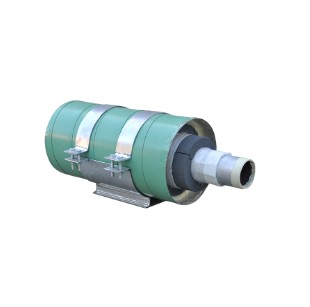
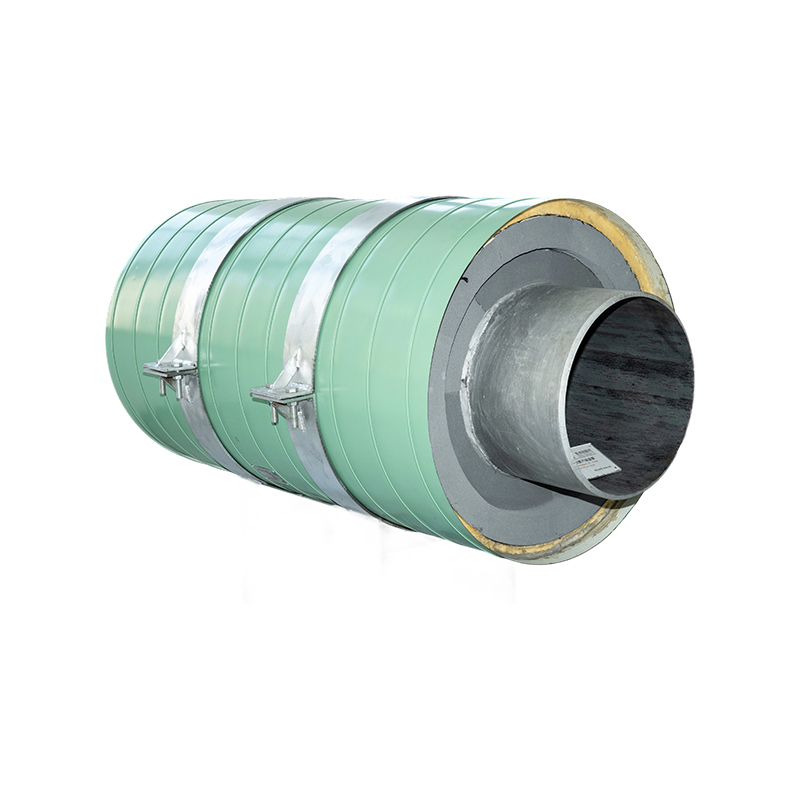
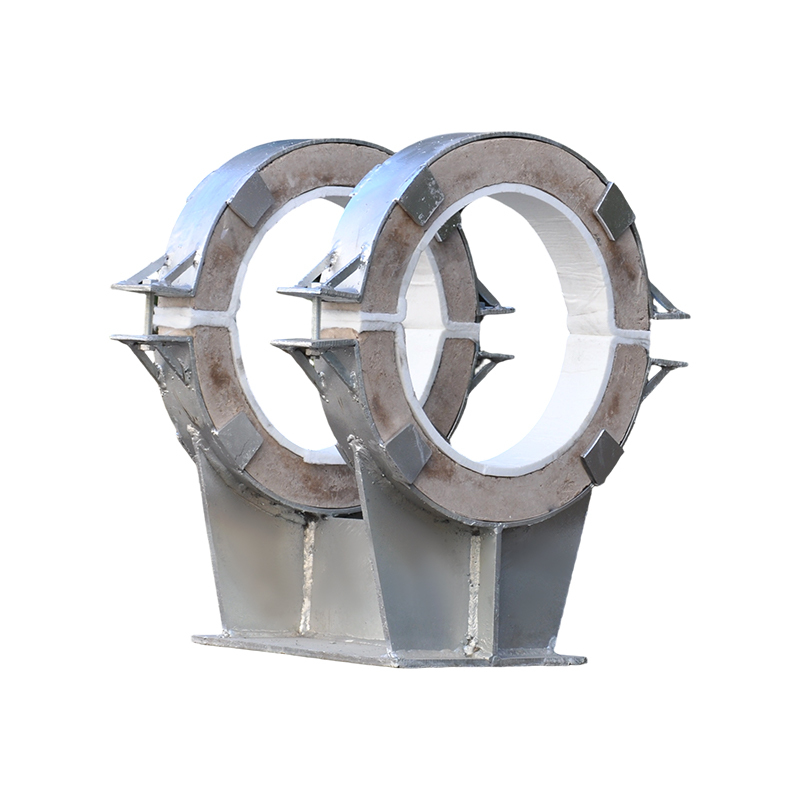
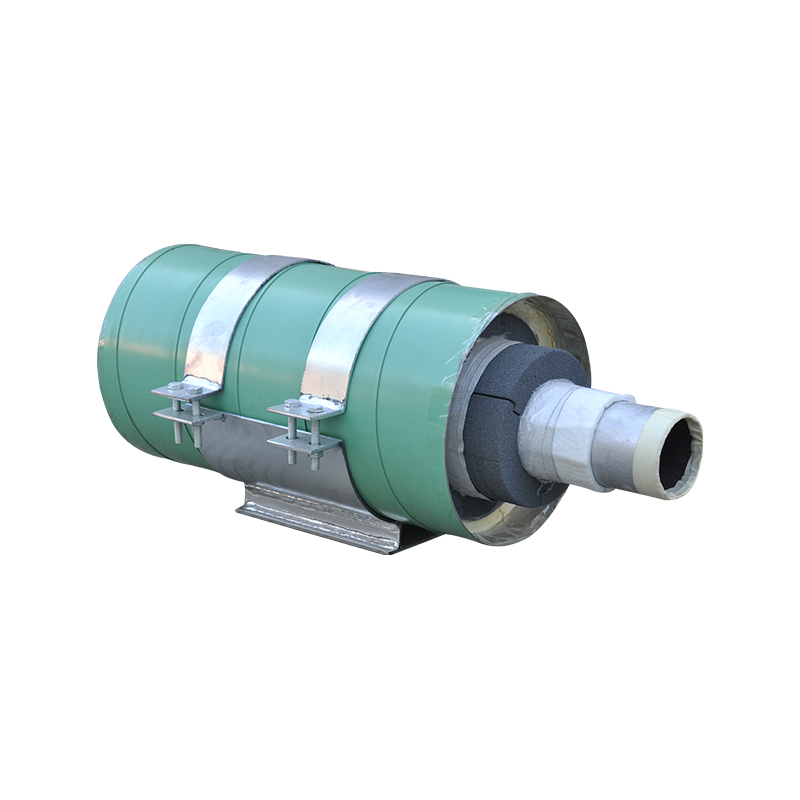
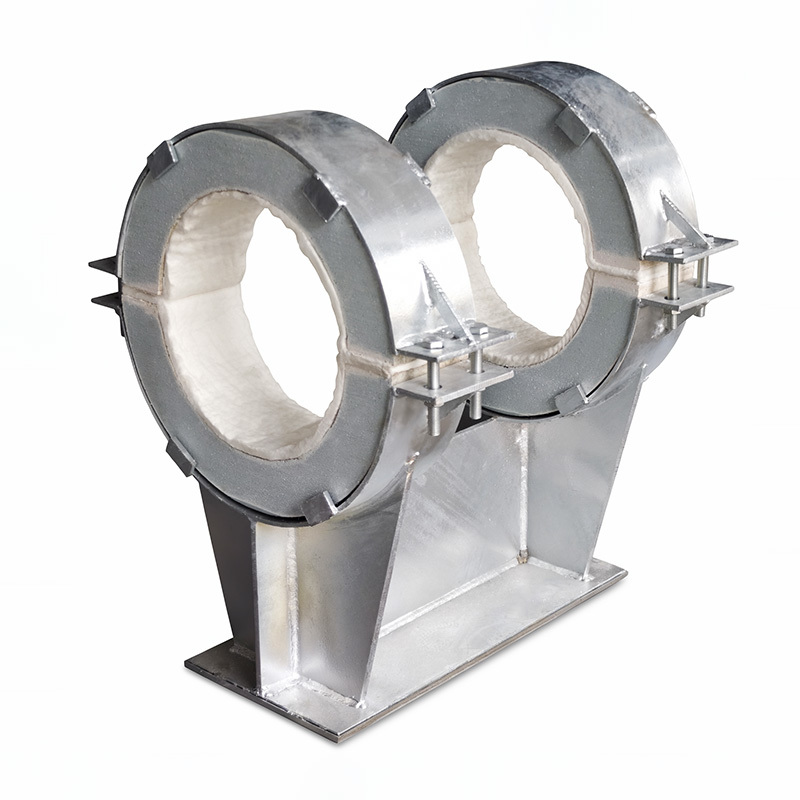
A pipe bracket is a critical component installed in a piping system to secure, support, and protect the pipeline.
It acts as a bridge connecting the pipeline to the equipment foundation (such as a platform or wall), ensuring that the pipeline does not experience excessive displacement or vibration during operation.
Through the bracket, the weight of the pipeline, thermal expansion forces, and the pressure of the internal medium are effectively dispersed, preventing deformation caused by uneven stress.
The bracket itself is also an important support for the pipeline's corrosion protection layer. Choosing appropriate materials and corrosion protection treatments can greatly extend the pipeline's lifespan.
| Key Points | Details |
| Function Carrier | Connects the pipeline to the equipment foundation (e.g., platform, wall), ensuring the pipeline does not experience excessive displacement or vibration during operation. |
| Stress Distribution | Through the bracket, the weight of the pipeline, thermal expansion forces, and internal fluid pressure are distributed, preventing deformation caused by uneven stress. |
| Anti-Corrosion Basis | Serves as an important support for the pipeline's anti-corrosion layer; choosing appropriate materials and anti-corrosion treatments can significantly extend the pipeline's lifespan. |
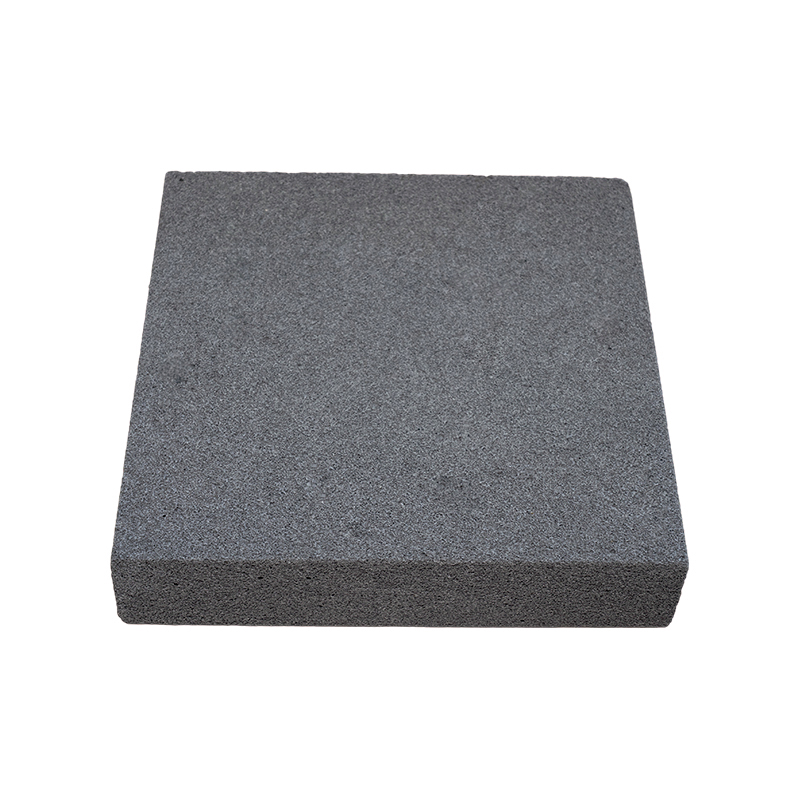
| Related Materials | Combined with Zhejiang Yichuang's foamed calcium silicate insulation material, it provides excellent anti-corrosion and insulation performance. |
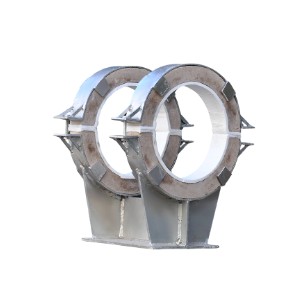
The core value of a pipe bracket is reflected in the following aspects:
It bears the weight of the pipeline itself and the weight of the internal fluid, preventing the pipeline from sagging or drifting.
A high-quality bracket design can effectively absorb vibration, reducing noise and shock waves generated during fluid flow.
When temperatures change, the support absorbs the forces of thermal expansion and contraction of the pipeline through elastic deformation or thermal expansion blocks, preventing excessive deformation.
Provides support for the anti-corrosion layer on the pipeline surface, ensuring the integrity of the anti-corrosion layer, and works with insulation materials to achieve pipeline insulation.
| Function | Description |
| Support and Fixation | Bears the weight of the pipeline and the fluid inside, preventing sagging or drifting. |
| Vibration and Noise Reduction | Absorbs vibrations, reducing noise and shock waves generated by fluid flow. |
| Compensate Thermal Expansion | Through elastic deformation or thermal expansion blocks, it absorbs the thermal expansion forces of the pipeline, preventing excessive deformation. |
| Anti-Corrosion and Insulation | Provides support for the anti-corrosion layer, ensuring its integrity, and works with insulation materials for thermal protection. |
| Material Association | Using Zhejiang Yichuang's foamed calcium silicate can enhance the synergistic effect of anti-corrosion and insulation. |
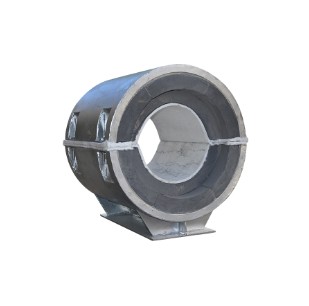
There are various types of supports. Common classification methods include:
Fixed Supports: Used for fixed installation of pipelines, mainly providing support.
Elastic Supports: Used to compensate for thermal expansion and contraction, preventing excessive axial stress on the pipeline.
U-Shaped Supports: The most common type, suitable for horizontal or inclined pipelines.
Triangular Supports: High stability, often used for heavy-duty pipelines or applications requiring strong wind resistance.
Fork-Shaped Supports: Suitable for suspended pipelines or cable tray installations.
Steel Supports: High strength, suitable for high temperature and high pressure environments.
Aluminum supports: Lightweight, corrosion-resistant, suitable for chemical and coastal environments.
Fiberglass supports: Good insulation, strong corrosion resistance, suitable for power and chemical industries.
| Classification Dimension | Specific Types | Suitable Scenarios |
| By Function | Fixed Bracket | Used for fixed installation of pipelines, primarily for support. |
| Elastic Bracket | Used to compensate for thermal expansion, preventing excessive axial stress. | |
| By Structure | U-Shaped Bracket | Most common, suitable for horizontal or inclined pipelines. |
| Triangular Bracket | High stability, often used for heavy-load pipelines or areas requiring strong wind resistance. | |
| Forked Bracket | Suitable for suspended pipelines or bridge rack installations. | |
| By Material | Steel Bracket | High strength, suitable for high-temperature and high-pressure environments. |
| Aluminum Bracket | Lightweight, corrosion-resistant, suitable for chemical and coastal environments. | |
| Fiberglass Reinforced Plastic (FRP) Bracket | Good insulation, highly corrosion-resistant, suitable for electrical and chemical fields. |
Anti-corrosion treatment is the lifeline of support quality. Key inspection points include:
Observe whether the anti-corrosion coating is evenly covered on the support surface, and whether there are defects such as bubbles, peeling, or pinholes.
Use a coating thickness gauge to check the thickness of the anti-corrosion layer to ensure that the coating thickness meets design requirements.
Check the hardness of the coating surface to ensure it has sufficient wear resistance and impact resistance.
Check whether the anti-corrosion layer is firmly adhered to the support surface using a scraper test or tape test.
| Inspection Dimension | Inspection Points |
| Appearance Check | Observe whether the anti-corrosion coating is evenly applied, and check for bubbles, peeling, or pinholes. |
| Thickness Detection | Use a coating thickness gauge to ensure the coating meets design requirements. |
| Hardness Test | Check the surface hardness of the coating to ensure sufficient wear and impact resistance. |
| Adhesion Test | Use a scraper or tape test to check if the coating adheres firmly to the substrate. |
| Material Association | Check the interface between the bracket and Zhejiang Yichuang's foamed calcium silicate insulation layer for any delamination. |
Even small supports can hide significant hidden dangers:
Due to poor construction quality, the coating cannot adhere, resulting in peeling.
Uneven stress or uneven thermal expansion of the anti-corrosion layer leads to deformation of the support body.
Weld beads, porosity, or cracks in the welded areas make them highly susceptible to fracture under high temperature and pressure.
Damage to the anti-corrosion layer causes rapid corrosion of the internal metal substrate, resulting in a sharp decrease in the support's strength.
| Issue Type | Specific Manifestations |
| Coating Peeling | Poor construction quality leads to coating detachment and peeling. |
| Deformation | Uneven stress or uneven thermal expansion of the coating causes deformation of the bracket body. |
| Weld Defects | Presence of weld beads, pores, or cracks at welded joints, prone to failure under high temperature and pressure. |
| Corrosion Spread | After coating damage, the internal metal substrate corrodes rapidly, reducing strength. |
| Material Synergy Failure | Mismatch in thermal expansion coefficients between the bracket material and Zhejiang Yichuang's foamed calcium silicate insulation leads to cracks at the interface. |
Prevention is key to ensuring safe pipeline operation:
Ensure all anti-corrosion coatings are uniform and thick, and strictly control construction temperature and humidity.
Select stable support materials to improve overall durability.
Regularly inspect the supports, especially the anti-corrosion layer, to promptly identify and repair minor problems.
Ensure the support's load capacity matches the actual operating conditions of the pipeline, avoiding overloading.
| Preventive Measures | Specific Actions |
| Strict Construction Standards | Ensure the coating is uniform and thick, and strictly control temperature and humidity during construction. |
| Use High-Quality Materials | Choose stable bracket materials (e.g., Zhejiang Yichuang's foamed calcium silicate insulation) to enhance durability. |
| Regular Maintenance and Inspection | Conduct periodic inspections, especially of the coating, and promptly repair minor issues. |
| Reasonable Load Design | Ensure the bracket's load-bearing capacity matches the actual operating conditions, avoiding overload. |
| Coordinated Design | Ensure compatibility of thermal expansion properties between the bracket material and Zhejiang Yichuang's foamed calcium silicate insulation, preventing damage due to temperature changes. |
Different environments have vastly different requirements for support materials:
Faced with high salt spray corrosion, fiberglass or stainless steel supports are recommended, along with a highly salt-spray resistant anti-corrosion coating.
Due to the presence of acidic and alkaline corrosive media, fiberglass supports or special alloy materials are recommended, while ensuring the anti-corrosion coating is resistant to specific chemicals.
In high-temperature environments or thermal power plants, high-temperature resistant steel supports or special heat-resistant alloys must be selected, along with high-temperature resistant anti-corrosion materials.
| Environment | Recommended Materials | Rationale |
| Coastal | Fiberglass Reinforced Plastic (FRP) or Stainless Steel brackets | Excellent resistance to salt spray corrosion. |
| Chemical Plant | Fiberglass Reinforced Plastic (FRP) brackets or Special Alloy materials | Chemical stability against acidic and alkaline corrosive media. |
| High Temperature | High-Temperature Steel brackets or Special Heat-Resistant Alloys | Resist high-temperature oxidation and maintain mechanical strength. |
| High Pressure/Insulation Needs | Zhejiang Yichuang's foamed calcium silicate insulation combined with brackets | High strength, high temperature resistance, low thermal conductivity, effectively assisting brackets in resisting internal pressure and temperature fluctuations. |
Copyright © Zhejiang Yichuang New Material Technology Co., Ltd. Calcium Silicate Pipe Insulation Manufacturer Fireproof Material Supplier





 English
 عربى
عربى Español
 русский
 Deutsch
 中文简体
中文简体

 English
 عربى
عربى Español
 русский
 Deutsch

 Quick Link


